
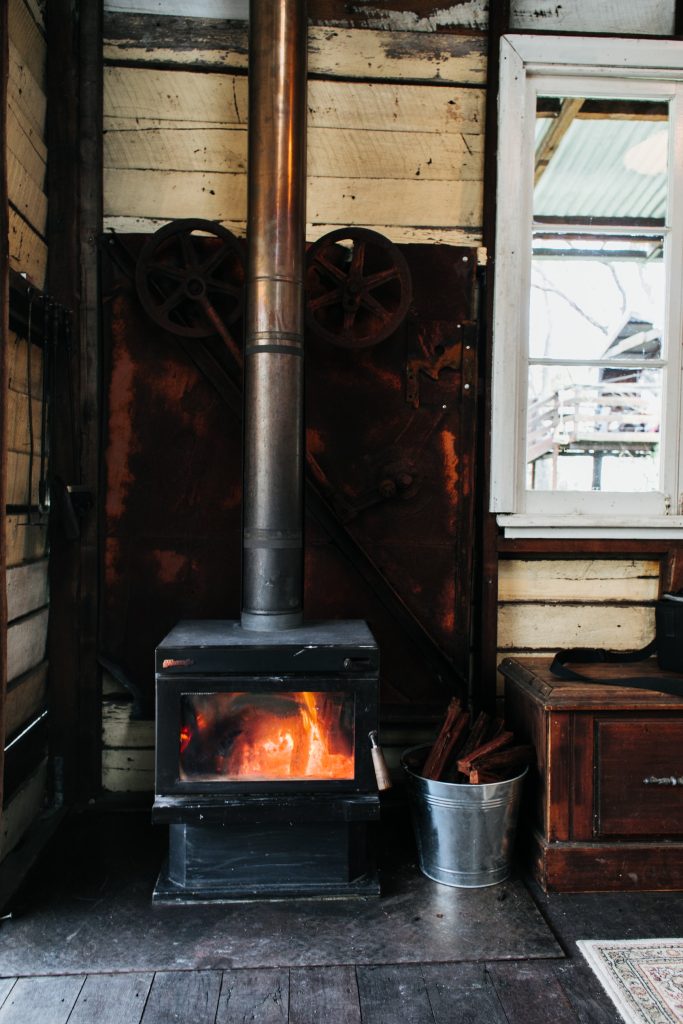
What is Radiant Heat? Radiant heating is a heating system that warms a space by directly heating the floor, walls, or ceiling. This method is in contrast to traditional forced-air heating systems, Radiant Heat at Home where warm air is blown into a room. Radiant heat is often delivered through electric radiant floor heating or
What is Radiant Heat?
Radiant heating is a heating system that warms a space by directly heating the floor, walls, or ceiling. This method is in contrast to traditional forced-air heating systems, Radiant Heat at Home where warm air is blown into a room. Radiant heat is often delivered through electric radiant floor heating or hydronic (water-based) systems.
Photo by Yan Krukau: https://www.pexels.com/photo/man-in-red-long-sleeves-sitting-near-a-fireplace-6617556/
The Advantages of Radiant Heating
- Comfortable and Even Heat Distribution Radiant heat provides consistent warmth throughout the room without creating hot or cold spots. This results in a comfortable and cozy living environment, especially during colder months.
- Energy Efficiency Radiant heating systems can be more energy-efficient compared to forced-air systems. They eliminate heat loss associated with ductwork and deliver heat directly to the occupants and objects in the room.
- Silent Operation Radiant heating operates silently, making it an excellent choice for those who prefer a peaceful and quiet home environment.
- Design Flexibility Radiant heating systems don’t require bulky ductwork, providing more design freedom for homeowners. This allows for a seamless integration of the heating system into the overall interior design.
The Drawbacks of Radiant Heating
- High Initial Cost The installation of a radiant heating system, especially hydronic systems, can be expensive compared to traditional heating systems. This initial investment may deter some homeowners.
- Slower Heating Response Radiant heat takes longer to warm up a room compared to forced-air systems. This slower heating response may not be ideal for those who prefer quick temperature adjustments.
- Complicated Repairs If any issues arise with a radiant heating system, repairs can be complex and may require professional assistance. This can lead to additional maintenance costs.
- Incompatibility with Some Flooring Certain flooring materials, such as thick carpets, may impede the heat transfer in radiant floor heating systems, reducing their efficiency.
Is Radiant Heat Worth the Cost?
The decision to invest in radiant heat at home depends on various factors. If you prioritize consistent comfort, energy efficiency, and a noise-free heating system, radiant heat may be worth the initial cost. Additionally, if you plan to stay in your home for an extended period, the long-term energy savings may offset the higher upfront investment.
However, if budget constraints are a concern and you value quick heating response, a traditional forced-air system might be more suitable. Consider consulting with HVAC professionals to assess your home’s heating needs and determine the best option for your specific situation.
Conclusion
Radiant heat offers several advantages, including even heat distribution, energy efficiency, and design flexibility. However, the higher initial cost, slower heating response, and potential repair complexities should also be considered. To determine if radiant heat at home is worth the cost, weigh the pros and cons based on your preferences, budget, and long-term plans. Make an informed decision that aligns with your heating needs and enhances your home’s overall comfort and value.

























Leave a Comment
Your email address will not be published. Required fields are marked with *