
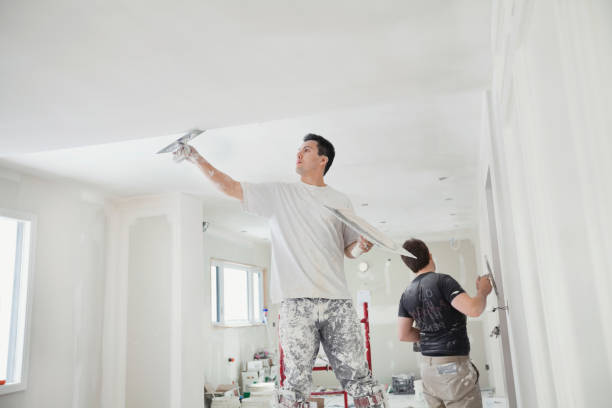
Introduction to Drywall Repair Drywall, also known as gypsum board or plasterboard, is a commonly used building material for interior walls. Over time, walls can develop cracks, holes, and dents due to various reasons such as accidental impacts or settling of the building. The good news is that you can easily repair drywall on your
Introduction to Drywall Repair
Drywall, also known as gypsum board or plasterboard, is a commonly used building material for interior walls. Over time, walls can develop cracks, holes, and dents due to various reasons such as accidental impacts or settling of the building. The good news is that you can easily repair drywall on your own with the right tools and techniques.

https://media. i stock photo.com
Tools and Materials You’ll Need
Before you begin, gather the necessary tools and materials for a successful drywall repair:
- Putty knife
- Joint compound
- Drywall tape
- Sandpaper (fine grit)
- Utility knife
- Patching plaster
- Primer and paint
- Sanding block
- Dust mask and safety goggles
Step-by-Step Guide to Repairing Drywall
- Assessment and Preparation: Start by assessing the damage to the drywall. Identify whether you’re dealing with cracks, small holes, or larger areas of damage. Clear the area around the damaged section and lay down a drop cloth to catch any debris.
- Patch Small Holes and Cracks: For small holes and cracks, use a putty knife to apply a thin layer of joint compound over the damaged area. Press a piece of drywall tape into the compound while it’s still wet. Apply a second layer of compound, feathering the edges to create a smooth transition. Allow it to dry completely before sanding lightly.
- Repair Larger Holes: For larger holes, start by cutting away any damaged or loose drywall with a utility knife. Cut a piece of new drywall slightly larger than the hole and fit it into place. Secure it with screws or adhesive, then cover the seams with joint compound and tape. Apply multiple thin layers of compound, sanding between each layer.
- Finishing Touches: Once the repair is smooth and even, apply a patching plaster to create a seamless surface. Sand the patched area until it’s flush with the surrounding wall. Wipe away the dust and apply a primer to the repaired area before painting. Make sure the primer matches the existing wall color.
Finishing Touches and Painting for a Seamless Finish
After the primer dries, paint the repaired area with the appropriate wall color. Be sure to feather the paint out into the surrounding wall for a seamless finish. Allow the paint to dry, and then assess the repaired area for any imperfections. If needed, apply a second coat of paint for complete coverage.
Conclusion
In conclusion, repairing drywall doesn’t have to be a daunting task. With the right tools, materials, and techniques, you can restore your walls to their former glory. Remember to take your time, follow the steps carefully, and don’t rush through the process. Soon enough, you’ll have a perfectly repaired wall that looks as good as new. By following this comprehensive guide, you’ll be able to repair drywall effectively and achieve professional-looking results without the need for expensive contractors.
























Leave a Comment
Your email address will not be published. Required fields are marked with *