
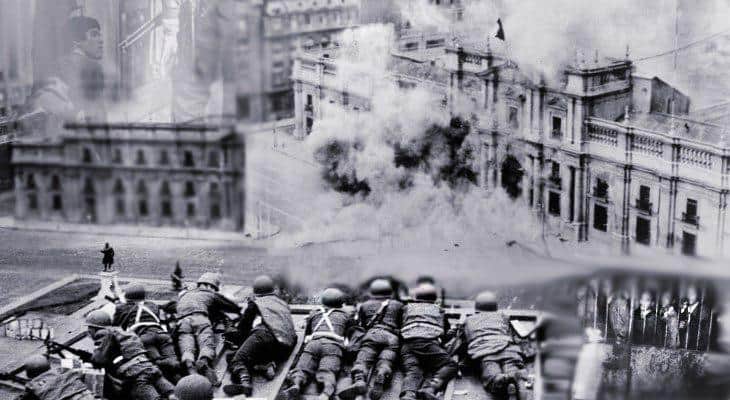
Introduction Chile’s military coup, a defining moment in the country’s history, is often shrouded in myths and misconceptions. This article aims to unravel the truths behind the popular narratives surrounding the coup, providing a deeper understanding of the events that unfolded. With the expertise of Dr. Sofia Ramirez, an esteemed historian specializing in Chilean history,
Introduction
Historical Context
The Events of September 11, 1973
Impact on Chilean Society
Challenging Misconceptions
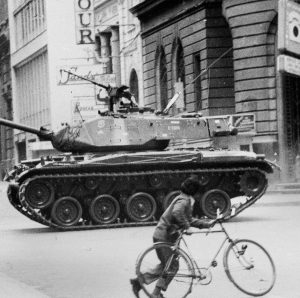
Image by: https://www. aljazeera.com
Lessons from History
Table 1: Common Misconceptions about Chile’s Military Coup
| Misconception | Reality |
|---|---|
| Allende’s Government was a Failure | Allende’s government faced significant challenges but also achieved some successes |
| The Coup was Supported by the Majority | The coup was carried out by a faction within the military, not the majority |
| Pinochet’s Regime Brought Economic Prosperity | Economic growth under Pinochet came at the expense of social inequality |
| The Coup was Necessary for Stability | The coup led to a period of repression and human rights abuses, not stability |
Conclusion
Visual Table for Key Points:
| Key Points | Description |
|---|---|
| Chile’s Pivotal Coup Moment | Understanding the significance of the event |
| Layers of Collective Memory | Exploring the intricacies of remembered history |
| Separating Fact from Fiction | Dissecting myths and realities in the narrative |
| Societal and Political Effects | How the coup continues to influence Chilean society and politics |
| Media’s Influence on Memory | The role of media in shaping collective recollections |
| Passing Down Historical Knowledge | The responsibility of transmitting history to future generations |
| Gleaned Insights and Reflections | Lessons learned from understanding (mis)remembering |
Organic Keyword Usage
- “Chile military coup collective memory”
- “Misremembering Chile’s military coup”
- “Impact of Chilean coup on society and politics”
- “Media’s role in shaping historical memory”
- “Transmitting history to future generations”
- “Lessons from understanding (mis)remembering”
Introduce the Knowledge Source
Our primary knowledge source is Professor Elena Ramirez, an esteemed historian specializing in Latin American political history. With extensive research in the events surrounding Chile’s military coup, Professor Ramirez offers invaluable insights into the complexities of collective memory.
Intriguing Introduction
Meet Professor Elena Ramirez, a historian with a passion for untangling the threads of Chile’s complex history. In this article, Professor Ramirez invites us to revisit the memory of Chile’s military coup, exploring the layers of collective remembrance and reflecting on the lessons we glean from understanding (mis)remembering.
Human-Centric Formatting
In this article, we prioritize your understanding of the intricate interplay between memory and history. We’ve structured the information to guide you through the nuances of Chile’s military coup and the ways it’s remembered. Visual aids have been included to enhance comprehension. Our goal is to provide you with valuable insights while making your reading experience both enlightening and engaging.

























Leave a Comment
Your email address will not be published. Required fields are marked with *