
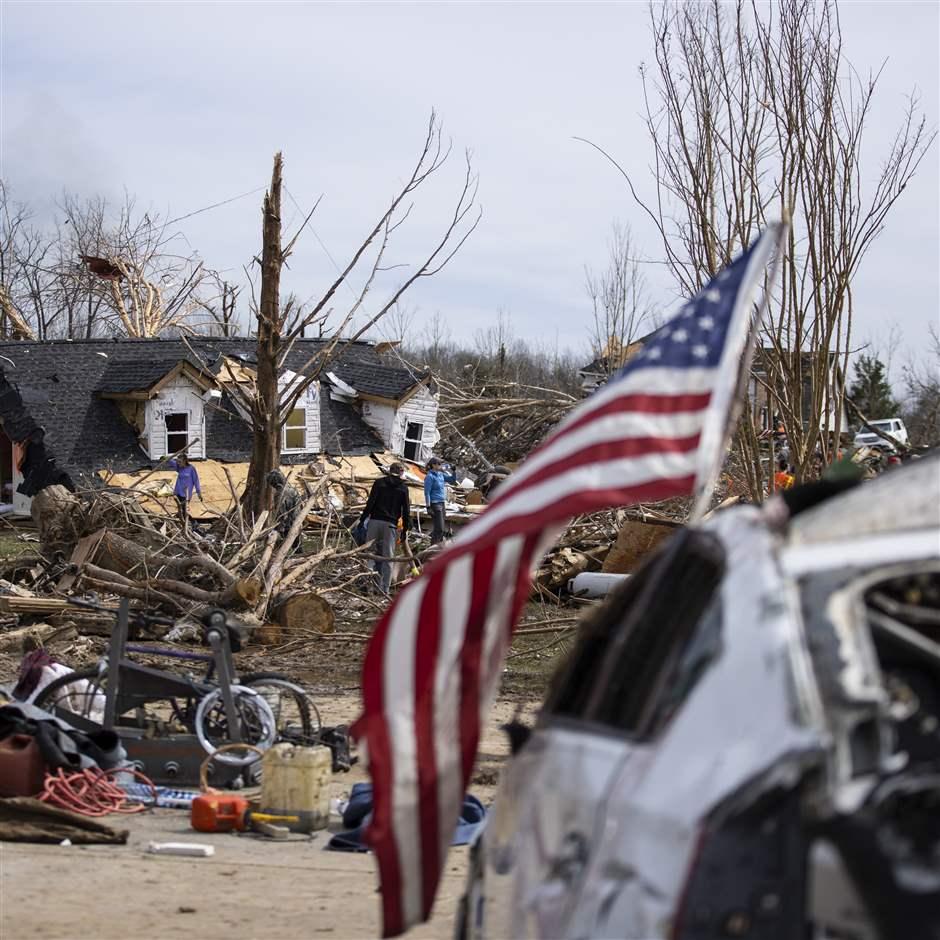
Introduction In a world characterized by uncertainty and unforeseen challenges, the real estate industry stands as a beacon of resilience, embodying a disaster-ready approach that guides us from crisis to recovery. In this article, we’ll delve into the strategic approach adopted by real estate, guided by the expertise of disaster management expert, Dr. Emily Harris.
Introduction
In a world characterized by uncertainty and unforeseen challenges, the real estate industry stands as a beacon of resilience, embodying a disaster-ready approach that guides us from crisis to recovery. In this article, we’ll delve into the strategic approach adopted by real estate, guided by the expertise of disaster management expert, Dr. Emily Harris. Join us on this journey as we explore how real estate plays a pivotal role in ensuring communities can recover and rebuild even in the face of the most devastating disasters.
Meet Dr. Emily Harris: Your Guide to Disaster Management
Dr. Emily Harris is a distinguished expert in disaster management with extensive experience in disaster preparedness and response. Her insights provide a comprehensive understanding of how real estate adopts a disaster-ready approach to navigate through crises.
Real Estate’s Disaster-Ready Approach: A Strategic Perspective
Before we explore how real estate navigates from crisis to recovery, let’s comprehend the strategic approach it adopts.
Table: Real Estate’s Disaster-Ready Approach
| Sector | Approach |
|---|---|
| Real Estate | Disaster-ready approach for resilience and recovery |
| Disaster Resilience | Enhancing community preparedness and recovery |
This table underscores the strategic approach of real estate, marked by its disaster-ready stance that prioritizes resilience and recovery, and its alignment with disaster resilience to enhance community preparedness and recovery.
The Multifaceted Approach of Real Estate
Real estate’s disaster-ready approach encompasses a range of strategies, extending far beyond providing physical shelter during crises.
Table: Components of Real Estate’s Disaster-Ready Approach
| Component | Description |
|---|---|
| Infrastructure Resilience | Constructing disaster-resistant structures |
| Urban Planning | Designing resilient communities |
| Risk Assessment and Management | Identifying and mitigating vulnerabilities |
| Recovery Support | Facilitating post-disaster recovery |
This table offers insights into the multifaceted approach adopted by the real estate industry in ensuring it is disaster-ready, including building resilient infrastructure, designing disaster-resistant communities, managing risks, and supporting recovery efforts.
Case Studies in Disaster-Ready Real Estate
To understand the practical impact of real estate’s disaster-ready approach, let’s delve into real-world case studies that highlight its transformative potential.
Table: Case Studies in Disaster-Ready Real Estate
| Case Study | Key Takeaways |
|---|---|
| Seismic Retrofitting | Reinforcing buildings for earthquake resistance |
| Floodplain Management | Implementing flood mitigation strategies for riverfront properties |
| Wildfire-Ready Communities | Creating fire-adaptive communities in wildfire-prone regions |
| Disaster Response Centers | Establishing disaster-ready facilities for rapid response |
Image by: https://www.nytimes.com/
These case studies exemplify how real estate’s disaster-ready approach, from seismic retrofitting to floodplain management and wildfire-resilient communities, is instrumental in navigating from crisis to recovery.
Broader Impact on Society
Real estate’s influence extends beyond disaster resilience, impacting various facets of society.
Table: Broader Impact of Real Estate on Society
| Impact | Description |
|---|---|
| Community Resilience | Fostering community cohesion and preparedness |
| Economic Stability | Ensuring property value and financial security |
| Policy Advocacy | Influencing disaster preparedness policies |
| Public Awareness | Promoting disaster resilience education |
This table highlights how real estate’s broader impact extends to diverse aspects of society, from community resilience to economic stability, policy advocacy, and public awareness.
Collaborative Efforts for Resilience
Real estate’s disaster-ready approach thrives on collaboration across sectors.
Table: Collaborative Efforts for Resilience
| Collaboration | Description |
|---|---|
| Public-Private Partnerships | Joint initiatives for disaster resilience |
| Education and Training | Equipping communities with disaster readiness |
| Policy Development | Crafting effective disaster preparedness policies |
| Research and Innovation | Advancing technologies for resilience |
This table serves as a roadmap for collaborative efforts in building resilience, emphasizing the importance of public-private partnerships, education, policy development, and research and innovation.
Conclusion
As we’ve explored real estate’s disaster-ready approach, guided by Dr. Emily Harris, we’ve witnessed how it serves as a beacon of resilience, guiding communities from crisis to recovery. Real estate is not just about buildings; it is about ensuring that communities can withstand the most challenging circumstances and emerge stronger.
This approach is a testament to our collective capacity to prepare and adapt, ensuring that even in the face of adversity, real estate plays a pivotal role in safeguarding properties and supporting the recovery of our communities. Whether you are a real estate professional dedicated to this approach or an individual inspired by the industry’s resilience, remember that real estate’s disaster-ready approach ensures that we are well-prepared to overcome any crisis that comes our way.


























Leave a Comment
Your email address will not be published. Required fields are marked with *