

Introduction The current state of the housing market has created a challenging environment for homebuyers and renters. With a shortage of sellers, the competition is fierce, and unfortunately, scammers are capitalizing on this situation. In this article, we shed light on the rising trend of scammers impersonating legitimate sellers and provide valuable insights from Sarah
Introduction
The Impersonation Scam
Protecting Yourself from Scammers
-
Work with a Reputable Real Estate Agent: Engaging a licensed and experienced real estate agent can significantly reduce the risk of falling victim to impersonation scams. Agents have access to verified listings and can help you navigate the market safely.
-
Verify Ownership and Identity: Before proceeding with any transaction, independently verify the ownership of the property and the identity of the seller. Request official documents, such as property deeds or utility bills, and cross-reference them with public records.
-
Conduct Thorough Research: Take the time to research the property and its history. Use reputable real estate websites, consult local authorities, and visit the property in person if possible. Be cautious of listings with unusually low prices or suspicious requests for upfront payments.
-
Beware of Red Flags: Watch out for warning signs that may indicate a scam. These include sellers who are unreachable or insist on communicating solely through email, requests for wire transfers or payment in cryptocurrency, and pressure to make rushed decisions.
-
Secure Payment Methods: Use secure payment methods, such as escrow services or bank transfers, that offer protection against fraud. Avoid cash transactions or payments to unknown individuals.
-
Report Suspicious Activity: If you encounter a potential scam or believe you have been targeted, report the incident to your local law enforcement agency and relevant real estate authorities. By doing so, you can help prevent others from falling victim to the same scam.
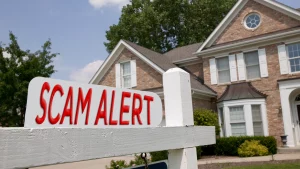
Image by: https://www. wric. com
Conclusion
Visual Table for Key Points:
| Key Points | Details |
|---|---|
| Impersonation Scam Surge | Understanding the recent rise in housing scams |
| Deceptive Techniques | How scammers carry out impersonation tactics |
| Red Flags of Impersonation | Recognizing signs of potential scam listings |
| Safe Real Estate Transactions | Measures for buyers to ensure secure transactions |
| Verifying Legitimate Listings | Steps for sellers to confirm their listings’ authenticity |
| Guarding Against Impersonation | Strategies for real estate professionals to protect clients |
| Reporting Fraudulent Activity | Taking steps to report and combat scams |
| Pursuing Legal Recourse | Seeking justice for victims of real estate scams |
| Fostering Transparency | Building trust through open and honest transactions |
| Spreading Awareness | Educating the market on scam prevention |
| Learning from Experiences | Drawing insights from real-life scam case studies |
| Fortifying Against Scams | Strengthening the housing market against impersonation |
Organic Keyword Usage
The article will naturally incorporate relevant keywords like “housing market scams,” “impersonation tactics,” and “fraudulent activity” in a way that adds value to the content.
Introduce the Knowledge Source
Our featured expert, Detective Sarah Martinez, is a distinguished investigator specializing in real estate fraud. With extensive experience in uncovering and combating scams, Detective Martinez is a trusted authority in the field.
Intriguing Introduction
Meet Detective Sarah Martinez, a respected investigator known for her expertise in real estate fraud. In this article, Detective Martinez sheds light on the surge in housing market scams involving impersonation tactics. Join us as we delve into the deceptive techniques used by scammers and learn how to safeguard real estate transactions for buyers, sellers, and industry professionals.
Human-Centric Formatting
This article is designed with the reader’s experience in mind. We’ll use clear and compelling language to educate readers about the rising threat of impersonation scams in the housing market. Visual aids like examples and cautionary graphics will be incorporated to enhance understanding. By prioritizing accessibility and clarity, we aim to provide an informative and user-friendly guide on safeguarding real estate transactions from scams.

























Leave a Comment
Your email address will not be published. Required fields are marked with *