
Introduction In today’s digital world, APIs (Application Programming Interfaces) are the backbone of modern applications. They enable seamless communication between services, apps, and platforms, allowing businesses to scale efficiently. However, as organizations grow and APIs multiply, ensuring they perform optimally becomes a major challenge. This is where API performance monitoring comes into play. By using
Introduction
In today’s digital world, APIs (Application Programming Interfaces) are the backbone of modern applications. They enable seamless communication between services, apps, and platforms, allowing businesses to scale efficiently. However, as organizations grow and APIs multiply, ensuring they perform optimally becomes a major challenge. This is where API performance monitoring comes into play. By using API monitoring practices and API monitoring tools, businesses can maintain high availability, improve user experience, and ensure their applications scale without disruptions.
In this article, we’ll explore why API performance monitoring is critical for scalable applications, the role of API monitoring tools, the benefits of open-source options, and best practices to keep your APIs efficient and reliable.
Understanding API Monitoring
API monitoring is the continuous process of tracking API performance, availability, and functionality. It involves measuring response times, uptime, error rates, and overall reliability. Without proper monitoring, issues can go unnoticed, leading to service degradation, frustrated users, and potential financial losses.
Organizations use API monitoring tools to automate this process. These tools provide insights into how APIs are performing in real-time and alert teams to any anomalies. Effective monitoring allows businesses to proactively address issues before they impact end-users.
The Role of APIs in Modern Applications
Before diving into why API performance monitoring is important, let’s take a moment to understand the role APIs play in scalable applications.
APIs enable different software applications to communicate with each other. For example, when you open an app on your phone that retrieves data from a server, it’s an API that allows your app to request and receive that data. APIs also power integrations between systems, services, and even third-party platforms.
Given their central role, any performance issues with APIs can directly impact how an application functions. A slow API response or downtime can negatively affect the end-user experience, disrupt business operations, and damage a company’s reputation.
The Importance of API Performance Monitoring
API performance monitoring focuses specifically on measuring and optimizing how APIs behave under different loads and conditions. For scalable applications, this is critical because:
- Maintaining Reliability: High-performing APIs ensure that applications remain responsive even as traffic increases. Poor API performance can result in slow responses, timeouts, or crashes, which can harm customer trust.
- Proactive Issue Detection: Monitoring performance metrics helps detect bottlenecks, latency issues, or failures early. Teams can then resolve problems before they escalate into major outages.
- Optimizing Resource Usage: Performance monitoring provides insights into how resources like servers, databases, and network infrastructure are being used. This allows for better resource allocation and cost management.
- Ensuring Scalability: As applications grow, APIs need to handle increased loads. Performance monitoring helps businesses plan for scaling, ensuring APIs can support higher traffic without degrading performance.
- Improving User Experience: Fast, reliable APIs contribute to smoother app interactions and higher user satisfaction. Monitoring ensures end-users experience minimal disruptions.
Key Metrics in API Performance Monitoring
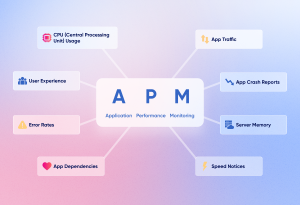
Image by: Yandex.com
To effectively monitor API performance, organizations track several critical metrics:
- Response Time: How quickly the API responds to requests.
- Throughput: The number of requests handled per second.
- Error Rate: Percentage of failed API requests.
- Availability/Uptime: Time the API is accessible and functional.
- Latency: Delay between sending a request and receiving a response.
- Resource Usage: CPU, memory, and network consumption by API servers.
Tracking these metrics allows teams to identify weaknesses and optimize API performance continuously.
API Monitoring Tools: The Backbone of API Management
API monitoring tools help automate the tracking and reporting of API metrics. They can simulate API calls, monitor endpoints, and generate alerts when anomalies occur. These tools provide dashboards and analytics that help teams visualize API health and performance trends over time.
Some benefits of using API monitoring tools include:
- Real-time monitoring and alerts
- Historical performance data for analysis
- Endpoint validation to ensure APIs respond correctly
- Load testing and performance benchmarking
- Support for multiple API protocols (REST, SOAP, GraphQL)
Why API Performance Monitoring Matters for Scalable Applications
As applications grow and scale, the number of API calls and interactions with different systems increases. This creates a higher demand for the API to handle larger volumes of traffic efficiently. Here’s why monitoring API performance is crucial in this context:
1. User Experience and Customer Satisfaction
The most immediate impact of poor API performance is on the user experience. Users expect applications to be fast, responsive, and reliable. In fact, slow response times or errors due to faulty APIs can lead to frustration, causing users to abandon your application in favor of a competitor’s.
For scalable applications, this is even more critical. As your user base grows, the likelihood of high traffic spikes increases. If your APIs are not optimized to handle the load, even a small slowdown can affect thousands, or even millions, of users simultaneously. Regular API performance monitoring helps identify bottlenecks early, allowing you to address issues before they snowball into a major problem.
2. Ensuring API Reliability and Availability
In today’s always-on world, any downtime or interruption in service can lead to significant losses. This is especially true for scalable applications that rely heavily on APIs to perform core functions. API outages or delays can lead to lost revenue, customer churn, and damage to your brand reputation.
By continuously monitoring API performance, you can ensure that your APIs are available and reliable. Monitoring tools can provide real-time insights into API uptime, helping you track issues such as network errors, timeouts, or service unavailability. With this information, you can quickly troubleshoot problems, minimize downtime, and keep your application running smoothly.
3. Optimizing System Efficiency
Scalable applications are designed to grow over time. As your application scales, it becomes more complex, with multiple APIs interacting with each other and different parts of the system. This can introduce inefficiencies if the APIs are not properly optimized.
API performance monitoring helps you identify performance bottlenecks in your system. For example, monitoring tools can track the response time of each API call, identify which ones are taking longer than expected, and highlight areas that need improvement. By pinpointing inefficient APIs, you can focus on optimizing them to improve overall system performance and efficiency.
4. Cost Management and Resource Allocation
For many businesses, API calls are associated with costs, particularly when using third-party services or cloud infrastructure. If your APIs are performing poorly, it can result in unnecessary resource consumption, driving up costs. For instance, inefficient APIs that take longer to process can increase server load, leading to higher infrastructure costs.
Monitoring API performance can help manage these costs. By tracking the efficiency of API calls, you can identify which ones are consuming excessive resources and optimize them to reduce overhead. In addition, it helps you make informed decisions about where to allocate resources, ensuring that your scaling efforts are cost-effective.
5. Proactive Issue Detection and Faster Troubleshooting
One of the key advantages of API performance monitoring is the ability to detect issues before they escalate. Regular monitoring tools track API performance in real time, allowing you to spot potential problems early. This means you can take a proactive approach to troubleshooting rather than reacting to issues as they occur.
By identifying performance degradation, error rates, or slow response times early, you can quickly resolve these issues before they affect users or business operations. This reduces the impact of performance problems and ensures that your application remains stable and reliable as it scales.
6. Supporting Compliance and Security
In many industries, regulatory compliance and security are top priorities. When APIs are involved in handling sensitive data, such as payment information or personal details, performance monitoring is critical to ensuring the system is secure and compliant with regulations.
API performance monitoring can help track security-related metrics, such as unauthorized access attempts, API rate limits, and data encryption status. By keeping an eye on these factors, you can ensure that your APIs are secure and compliant with industry standards, protecting both your business and your users.
Open-Source API Monitoring Tools
For businesses looking for flexibility and cost-effectiveness, API monitoring tools open source are an excellent option. Open-source tools provide the same basic functionality as commercial tools, with the added advantage of customization and community support.
Key advantages of open-source monitoring tools include:
- Customizability: Developers can modify the tool to fit specific requirements.
- Community Support: Access to forums and documentation from other users.
- Cost Efficiency: Open-source tools eliminate licensing fees.
- Transparency: Complete access to the code allows for security auditing.
Popular open-source options can monitor performance, automate tests, and provide actionable insights without significant investment.
Best Practices for API Performance Monitoring
To ensure APIs are consistently performant and scalable, organizations should adopt API best practices for monitoring:
- Regular Monitoring: Continuously track API endpoints and metrics to catch issues early.
- Set Performance Benchmarks: Define acceptable thresholds for response times, throughput, and error rates.
- Alerting Mechanisms: Configure alerts for anomalies, downtime, or slow responses.
- Load Testing: Periodically simulate high traffic to ensure APIs handle peak loads.
- Logging and Analytics: Keep detailed logs for troubleshooting and identifying trends over time.
- Integration with DevOps: Embed monitoring in CI/CD pipelines to detect performance issues during development.
- Monitor Third-Party APIs: If your application relies on external APIs, include them in your monitoring strategy.
Following these practices ensures that API performance monitoring tools provide meaningful insights and prevent performance degradation.
Challenges in API Performance Monitoring
While monitoring is critical, organizations may face several challenges:
- Complex API Ecosystems: Large applications may have dozens or hundreds of APIs, making monitoring more complex.
- Data Volume: High-frequency monitoring generates large amounts of data that need to be stored and analyzed.
- Integration with Existing Systems: Ensuring monitoring tools integrate seamlessly with existing DevOps or ITSM systems can be difficult.
- Performance Overhead: Some monitoring approaches can add extra load to the system if not configured properly.
Choosing the right tools, whether open-source or commercial, and following best practices can help overcome these challenges.
Conclusion
For scalable applications, API performance monitoring is not optional—it’s essential. Proper API monitoring, using effective API monitoring tools and API monitoring tools open source, ensures that APIs perform reliably, handle increasing loads, and provide excellent user experiences.
By tracking key performance metrics, setting benchmarks, and adopting best practices, organizations can proactively address issues, optimize resources, and maintain application scalability. In a world where digital experiences define success, API performance monitoring is a strategic investment that protects both users and business operations.