
Few garments can match the elegance, tradition, and cultural pride embodied in a Banarasi silk saree. From the vibrant lanes of Varanasi, this saree represents more than just fabric and thread—it is a piece of living heritage that has stood the test of time. Every fold, motif, and shimmer tells a story of Indian craftsmanship
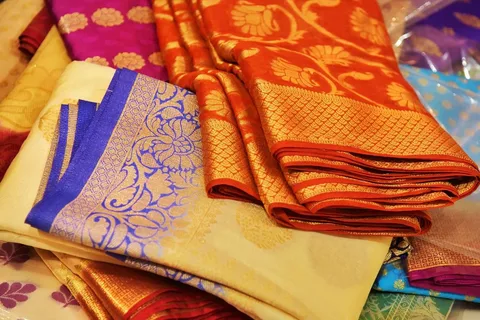
Few garments can match the elegance, tradition, and cultural pride embodied in a Banarasi silk saree. From the vibrant lanes of Varanasi, this saree represents more than just fabric and thread—it is a piece of living heritage that has stood the test of time. Every fold, motif, and shimmer tells a story of Indian craftsmanship that dates back centuries.
In India, where sarees hold emotional and traditional importance, the Banarasi silk saree occupies a revered place. Whether it’s for weddings, festivals, or sacred ceremonies, this saree remains the preferred choice for women who value both grace and grandeur.
This article delves deep into the cultural roots of the Banarasi silk saree, exploring its history, artistry, and symbolism in Indian society.
The Historical Journey of Banarasi Silk Sarees
The legacy of the Banarasi silk saree traces back to the Mughal era, when artisans from Persia introduced intricate weaving styles and motifs to India. The weavers of Banaras—now known as Varanasi—blended these Persian influences with Indian patterns, creating an entirely new form of textile artistry.
During the Mughal period, Banarasi silk sarees became a royal favorite. Queens and noblewomen adorned themselves in these luxurious drapes woven with pure silk and real gold and silver zari. The finesse of craftsmanship and the richness of the material made the Banarasi silk saree a symbol of prestige and opulence.
Over the centuries, this weaving tradition evolved while preserving its core artistry. Today, each authentic Banarasi silk saree is a testament to generations of skilled craftsmanship passed down within artisan families.
Weaving: The Soul of Banarasi Craftsmanship
The true beauty of a Banarasi silk saree lies in its detailed handweaving. Artisans, often working on traditional handlooms, spend weeks or even months creating a single saree. The process begins with the selection of pure silk threads that are dyed, dried, and prepared for weaving.
The designs—floral motifs, paisleys, peacocks, and geometric patterns—are drawn on paper before being translated onto the loom using punch cards. Each thread is meticulously woven with zari (metallic thread) to create shimmering patterns that are both delicate and durable.
Depending on the complexity of the design, a single saree can take anywhere from 15 days to six months to complete. This painstaking process is what gives the Banarasi silk saree its value, artistry, and emotional connection to Indian culture.

The Cultural Essence of the Banarasi Silk Saree
1. A Symbol of Celebration
In Indian culture, the Banarasi silk saree is synonymous with celebration. Brides across the country, especially in North India, choose this saree for their wedding day. Its grandeur reflects prosperity, purity, and auspiciousness—values deeply rooted in Indian traditions.
2. Passed Down as Heirlooms
Many families consider Banarasi silk sarees as heirlooms. Mothers and grandmothers often pass them down to the next generation as a symbol of love and continuity. Owning one is not just a matter of fashion—it’s a way of preserving family heritage.
3. Religious and Spiritual Significance
In Hindu rituals, silk holds a sacred status. During festivals like Diwali, Durga Puja, and Pongal, women wear Banarasi silk sarees as an expression of respect for tradition and divinity. The saree’s intricate gold zari work is often associated with goddess Lakshmi, the deity of wealth and prosperity.
4. Cultural Identity and Pride
For many Indian women, wearing a Banarasi silk saree is a statement of cultural identity. It symbolizes a link to India’s artistic heritage and the resilient essence of its weavers. The saree’s timeless appeal bridges the gap between generations—traditional enough for the elders, yet elegant enough for modern sensibilities.
The Symbolism Behind the Motifs
Each motif on a Banarasi silk saree carries cultural meaning. The floral patterns represent beauty and fertility, while peacock designs symbolize grace and eternal love. Geometric shapes express balance and continuity. The intricate “jhalar” or border symbolizes completeness and divine protection.
Banarasi Silk in Modern India
In contemporary India, the Banarasi silk saree continues to evolve. While traditional patterns remain cherished, designers are blending modern aesthetics with age-old weaving techniques. Today, you can find Banarasi sarees in lightweight fabrics, pastel tones, and minimalistic patterns, appealing to a younger generation that values both heritage and comfort.
Celebrities, fashion designers, and global influencers often showcase Banarasi sarees on international platforms, bringing Indian craftsmanship into the global spotlight. The saree’s enduring charm lies in its adaptability—it gracefully transitions from traditional rituals to modern runways.
Regional Variations and Influence
Although Varanasi remains the heart of Banarasi weaving, several other regions have drawn inspiration from its designs. Sarees woven in places like Chanderi, Kanchipuram, and Bangalore often incorporate Banarasi-style zari work and motifs.
The Bangalore silk saree, for instance, shares similarities with Banarasi silk in terms of texture and sheen. However, Bangalore silk focuses on solid colors and minimal zari borders, while Banarasi sarees are known for their dense embroidery and luxurious patterns. Together, they represent the rich diversity of India’s silk weaving tradition.
Preserving the Heritage
In recent years, the Indian government and various handloom organizations have taken steps to protect the authenticity of Banarasi silk sarees. The Banarasi silk has been granted a Geographical Indication (GI) tag, ensuring that only sarees woven in the Varanasi region using traditional methods can be labeled as genuine Banarasi.
These efforts not only safeguard the livelihoods of weavers but also protect buyers from counterfeit products that undermine centuries of heritage. Supporting authentic artisans ensures that the art of Banarasi weaving continues to thrive for future generations.
Caring for a Banarasi Silk Saree
Owning a Banarasi silk saree comes with the responsibility of care. Proper maintenance ensures that it retains its sheen and texture for decades.
-
Storage: Always store your saree in a muslin cloth to allow the fabric to breathe. Avoid plastic covers that trap moisture.
-
Folding: Refold the saree periodically to prevent permanent creases.
-
Cleaning: Use dry cleaning for any stains or dirt to protect the zari and silk fibers.
-
Avoid Perfumes: Direct contact with chemicals or perfumes can dull the shine of zari threads.
When cared for properly, a Banarasi silk saree becomes an enduring treasure, growing in value with time.
A Timeless Expression of Indian Culture
The Banarasi silk saree is not just an outfit—it’s a reflection of India’s soul. It brings together artistry, devotion, and identity in every weave. Whether worn by a bride on her wedding day, a dancer on stage, or a devotee in a temple, it tells a story of grace and continuity.
For those seeking authentic, high-quality weaves that celebrate tradition and style, Vijayalakshmi Silks offers a curated collection of Banarasi silk sarees that embody India’s cultural elegance.
Final Thoughts
The cultural significance of the Banarasi silk saree in India goes far beyond its beauty. It represents centuries of tradition, artistic mastery, and emotional connection. In an age of fast fashion, the Banarasi silk saree stands as a timeless testament to craftsmanship and heritage.