
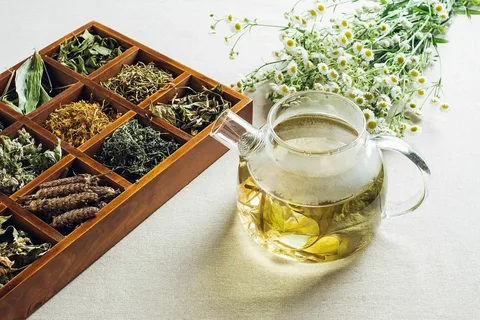
Herbal teas have become a comforting and effective way to support wellness naturally. Whether someone wants to unwind, energize, soothe digestion, or strengthen immunity, herbal teas offer a gentle, time-tested solution. Made from flowers, roots, leaves, and aromatic herbs, these infusions provide a wide range of benefits without relying on caffeine or artificial additives. As
Herbal teas have become a comforting and effective way to support wellness naturally. Whether someone wants to unwind, energize, soothe digestion, or strengthen immunity, herbal teas offer a gentle, time-tested solution. Made from flowers, roots, leaves, and aromatic herbs, these infusions provide a wide range of benefits without relying on caffeine or artificial additives. As more people shift toward holistic self-care, herbal teas are steadily becoming a daily ritual that nourishes both the mind and body.
Why Herbal Teas Are Gaining Popularity Today
Herbal teas stand out because of their simplicity, natural origins, and versatility. Each blend delivers unique benefits depending on the botanicals used. For example, chamomile promotes relaxation, peppermint helps ease digestive discomfort, and ginger supports warmth and vitality.
With so many herbal blends available, many people find it convenient to browse a trusted herbal products online store, where they can discover high-quality botanicals and curated wellness blends. Access to carefully sourced herbs ensures that each cup delivers a fuller aroma, richer flavor, and more effective health support.
Unlike caffeinated beverages, herbal teas can be enjoyed any time—morning, afternoon, or night—making them a flexible addition to any lifestyle.
The Gentle but Powerful Benefits of Herbal Infusions
Herbal teas offer a range of benefits, supporting wellness from several angles. Thanks to their unique plant compounds—such as antioxidants, essential oils, and minerals—these teas work harmoniously with the body to promote balance.
1. Supporting Digestion Naturally
For those who struggle with bloating, indigestion, or sluggish digestion, herbs like peppermint, ginger, fennel, and licorice root can offer quick comfort. Many individuals drink herbal tea after meals to support smoother digestion and reduce discomfort.
2. Calming the Mind and Reducing Stress
Herbs such as lemon balm, chamomile, lavender, and passionflower are known for their calming effects. These soothing botanicals gently ease tension, quiet the mind, and prepare the body for peaceful sleep—making them ideal evening teas.
3. Boosting Immunity with Natural Ingredients
Hibiscus, turmeric, elderberry, and echinacea teas provide natural immune support. Their antioxidants protect the body from external stressors while strengthening overall resilience, especially during seasonal transitions.
4. Cleansing and Detox Support
Nettle, dandelion root, and burdock root are celebrated for their detoxifying properties. These herbs help the body eliminate impurities and support key organs such as the liver and kidneys.
To explore these beneficial blends with ease, many tea lovers prefer to buy herbal teas online, where they can compare ingredients, flavors, and wellness goals before making a choice.
Herbal Teas for Energy, Focus, and Mental Stamina
Not all herbal teas are meant for relaxation—some provide gentle, steady energy without caffeine. One of the most popular herbs for natural vitality is ginseng.
Why Ginseng Is a Popular Choice for Daily Energy
Ginseng has long been used in traditional wellness practices because of its adaptogenic qualities. Adaptogens help the body handle stress more effectively while supporting energy and mental clarity. Drinking Ginseng herbal tea can help:
- Improve concentration
- Enhance alertness and focus
- Provide balanced energy without crashes
- Support productivity during long days
Unlike caffeinated drinks that may cause jitteriness, ginseng offers smooth, consistent energy that aligns with the body’s natural rhythm.
Turning Herbal Tea Into a Daily Ritual
Herbal teas can easily become a meaningful part of everyday wellness. Here are a few simple ways to incorporate them into your routine:
- Morning refreshment: Start your day with ginger, peppermint, or ginseng to awaken your senses
- After-meal comfort: Drink digestive blends to encourage a calm and comfortable stomach
- Midday wellness: Choose antioxidant-rich teas like hibiscus for hydration and vitality
- Evening relaxation: Enjoy calming herbs like chamomile or lemon balm before bedtime
- Weekly variety: Try different blends to explore new flavors and benefits
A consistent habit brings out the best in herbal teas, allowing their supportive qualities to build over time.
How Herbal Teas Enhance Modern Self-Care Practices
As people become more intentional about their health, herbal teas are emerging as an essential part of daily self-care. These botanical infusions allow individuals to reconnect with natural healing traditions while supporting the demands of a fast-paced lifestyle. For many, a cup of herbal tea represents more than hydration—it becomes a grounding ritual that encourages mindfulness, balance, and emotional calm.
Modern wellness routines often blend herbal teas with practices such as meditation, aromatherapy, and clean nutrition, creating a complete approach to well-being. The versatility of herbal teas is one of the main reasons for their rising popularity. Whether someone needs clarity during a busy workday, digestive comfort after meals, or soothing relaxation in the evening, there is a blend tailored to every purpose.
Ingredients like ginger, hibiscus, lemon balm, and turmeric are increasingly valued for their natural therapeutic qualities. With the expansion of digital shopping and curated herbal tea collections, people now have easy access to quality botanicals that support vibrant living. This growing integration of herbs into daily routines reflects a renewed appreciation for nature’s gentle yet powerful ability to support holistic wellness.
Finding the Herbal Teas That Match Your Wellness Goals
Choosing the right herbal tea involves identifying your personal health needs and understanding how specific herbs can address them. Those who want to unwind may look for calming blends featuring chamomile, lavender, or lemon balm. If digestive balance is a priority, peppermint, ginger, and fennel teas are well-known for their soothing effects. Individuals hoping to strengthen their immune health often turn to ingredients such as elderflower, hibiscus, and echinacea.
For natural energy and improved focus, adaptogenic herbs like ginseng and ashwagandha offer a balanced alternative to caffeinated drinks. Quality is another key factor when selecting herbal teas; herbs that are ethically sourced, organically grown, and freshly processed tend to deliver better flavour and stronger wellness benefits.
Exploring product descriptions, experimenting with different blends, and noting how your body responds to each infusion can help you build a personalized tea ritual. With countless herbal choices available today, discovering the perfect tea becomes an enjoyable experience—one that supports long-term vitality, emotional balance, and a deeper connection to natural wellness.
Final Reflection
Herbal teas provide a warm, soothing pathway to natural wellness. Whether someone is looking to cleanse the body, ease digestion, boost energy, or relax the mind, there is a herbal blend suited to their needs. With the convenience of online stores and a wide variety of botanical options, exploring herbal teas has never been easier or more enjoyable. Each cup becomes an opportunity to reconnect with nature’s healing gifts and support a healthier, more balanced lifestyle.