
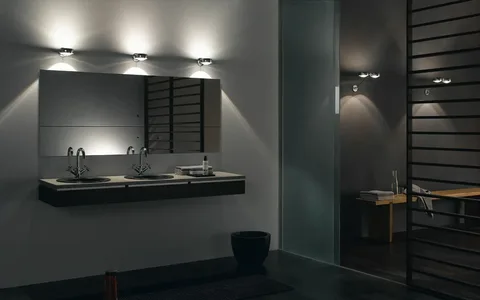
Lighting plays a defining role in bathroom renovations, influencing not only how the space looks but also how it functions on a daily basis. A well-designed bathroom requires lighting that supports practical tasks, enhances comfort, and complements the overall design. Poor lighting choices can make even the most stylish bathroom feel cramped or impractical, while
Lighting plays a defining role in bathroom renovations, influencing not only how the space looks but also how it functions on a daily basis. A well-designed bathroom requires lighting that supports practical tasks, enhances comfort, and complements the overall design. Poor lighting choices can make even the most stylish bathroom feel cramped or impractical, while thoughtful lighting design can elevate the entire renovation.
Modern bathroom renovations increasingly treat lighting as a core design element rather than an afterthought. From task lighting to ambient illumination, each layer serves a specific purpose and contributes to a balanced, usable space.
Why Lighting Matters in a Bathroom
Bathrooms are multi-functional environments. They are spaces for grooming, relaxation, and preparation, often all within a relatively compact area. Lighting must therefore adapt to different needs throughout the day. Bright, focused light is essential for tasks such as shaving or applying makeup, while softer lighting helps create a calm and comfortable atmosphere.
Natural light, where available, is always a bonus, but artificial lighting must compensate effectively when daylight is limited. A renovation provides the ideal opportunity to rethink lighting placement and improve both usability and visual appeal.
Understanding Layered Lighting
One of the most effective approaches in bathroom design is layered lighting. This method combines different lighting types to achieve balance and flexibility.
Ambient lighting forms the base layer and provides general illumination. Ceiling-mounted fixtures, recessed downlights, or flush lights are commonly used to ensure the space is evenly lit.
Task lighting focuses on specific functional areas, particularly around mirrors and vanities. This lighting should reduce shadows and provide clarity, making daily routines easier and more precise.
Accent lighting adds depth and visual interest. It may highlight architectural features, niches, or textured surfaces, contributing to a more refined and contemporary look.
When layered correctly, these lighting types work together to create a bathroom that feels both practical and inviting.
Vanity Lighting and Mirror Placement
Vanity lighting is one of the most critical elements in bathroom renovations. Poorly positioned lights can cast shadows on the face, making grooming tasks difficult. Side-mounted lights or integrated mirror lighting often provide better results than overhead lighting alone.
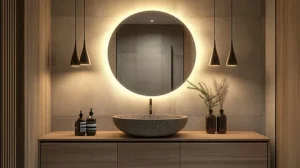
LED mirrors and backlit mirrors have become popular choices, offering even illumination and a sleek aesthetic. The goal is to create balanced light that enhances visibility without glare or harsh contrast.
During bathroom upgrades, working with experienced bathroom remodelers helps ensure lighting is integrated seamlessly with cabinetry, mirrors, and layout planning.
Creating Atmosphere with Feature Lighting
Lighting is also a powerful tool for shaping mood. Soft, warm lighting around bathtubs, under vanities, or within wall niches can introduce a sense of luxury and relaxation. Dimmable lighting allows homeowners to adjust brightness depending on the time of day or purpose, transforming the bathroom from a functional space into a retreat.
Feature lighting can highlight textures such as stone, tiles, or feature walls, adding depth and visual interest without overwhelming the design. When used thoughtfully, these elements enhance the overall experience of the space.
Energy Efficiency and Modern Lighting Solutions
Energy efficiency is an important consideration in contemporary bathroom renovations. LED lighting is now the preferred choice due to its long lifespan, low energy consumption, and versatility. LEDs are available in a wide range of color temperatures, allowing homeowners to choose lighting that suits both function and ambience.
Smart lighting systems are also gaining popularity. Motion sensors, dimmers, and programmable lighting scenes improve convenience while reducing unnecessary energy use. These features are especially beneficial in shared or family bathrooms.
Lighting and Bathroom Safety
Beyond aesthetics, lighting also plays a vital role in safety. Adequate illumination reduces the risk of slips and accidents, particularly in wet areas such as showers and bath surrounds. Properly rated fittings are essential in moisture-prone zones to ensure durability and compliance with safety standards.
Well-lit pathways, step lighting, and night lighting can also improve accessibility, especially in households with children or older occupants.
Integrating Lighting with the Overall Renovation
Lighting decisions should align with the broader renovation plan. Tile finishes, wall colors, ceiling heights, and fixtures all influence how light behaves within the space. Glossy surfaces reflect light, while darker or matte finishes may require stronger or additional lighting sources.
Coordinating lighting with other renovation elements ensures consistency and avoids mismatched or ineffective solutions. This holistic approach is often applied across broader home renovation solutions, where lighting design contributes to the overall flow and functionality of the home.
Planning Lighting Early in the Renovation Process
One of the most common mistakes in bathroom renovations is leaving lighting decisions until the final stages. Early planning allows for better wiring placement, fixture selection, and integration with architectural features. It also helps avoid costly changes later in the build.
By considering lighting from the outset, homeowners can achieve a bathroom that feels cohesive, practical, and visually balanced.
Conclusion
Lighting is far more than a finishing touch in bathroom renovations. It shapes how the space is used, how it feels, and how effectively it supports daily routines. A carefully planned lighting strategy enhances comfort, safety, and style, ensuring the bathroom performs well for years to come.
Whether upgrading a compact ensuite or redesigning a main bathroom, investing time in thoughtful lighting design is essential to achieving a successful renovation outcome.