
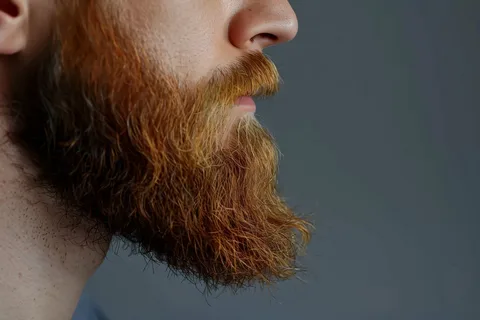
Have you ever stared into the mirror and noticed a few red or copper-colored hairs sprouting among your otherwise dark brown or black beard? You’re not alone. Many men, particularly those with darker facial hair, discover surprise strands of red popping up out of nowhere. While it might seem odd or even concerning at first,
Have you ever stared into the mirror and noticed a few red or copper-colored hairs sprouting among your otherwise dark brown or black beard? You’re not alone. Many men, particularly those with darker facial hair, discover surprise strands of red popping up out of nowhere. While it might seem odd or even concerning at first, there’s a surprisingly scientific explanation behind this natural phenomenon. In this article, we’ll take a deep dive into the genetics, biology, and environmental factors that contribute to red hair growth within a dark beard—and what you can do if you want to manage or embrace it.
For those looking to even out their beard tones without going to extremes, there are beard colors available that can subtly blend red hairs into a more uniform look. But before reaching for solutions, it’s worth understanding the root causes first.
Key Points
- Red hairs in dark beards are typically caused by a genetic interplay between hair color genes.
- Melanin types and concentrations influence hair pigmentation variance.
- Environmental and hormonal factors can also affect hair color over time.
- The red hair gene (MC1R) can be carried recessively and still express in patches.
- There are aesthetic and grooming solutions for those who wish to conceal or blend the red strands.
Understanding Hair Pigmentation
The Science Behind Hair Color
Hair color is determined primarily by the type and amount of melanin in the hair shaft, which is influenced by your genetic makeup. There are two types of melanin involved: eumelanin and pheomelanin.
- Eumelanin: Comes in two subtypes—black and brown—and is responsible for darker hair shades.
- Pheomelanin: Responsible for red and yellow hues, and more prevalent in people with naturally red hair.
The combination and proportion of these melanin types determine whether your hair is black, brown, blonde, or red. When pheomelanin shows up in higher concentrations in specific hair follicles, those hairs may appear red—even if the majority of your hair is dark.
Genetic Mosaicism in Hair Follicles
One reason red hairs appear in a dark beard is due to a condition called genetic mosaicism, where different cells in the same person carry different genetic information. This can result in isolated hair follicles expressing different pigmentation genes from their neighbors—even if the change is subtle.
The Role of the MC1R Gene
What Is MC1R?
The MC1R gene (Melanocortin 1 Receptor) plays a key role in determining whether your body produces eumelanin or pheomelanin. People who carry mutations in this gene are more likely to have red hair or red undertones.
Recessive Gene Expression
Even if you don’t have red hair on your head, you might still carry the MC1R gene variant. If both of your parents carry this gene, it’s possible for it to express partially—in certain areas like facial hair. This is why someone with dark hair and no visible redhead lineage can still sprout ginger hairs in the beard.
Hormonal and Environmental Influences
Hormonal Changes
Testosterone and other androgens not only influence the thickness and pattern of facial hair but can also alter its pigmentation. As hormone levels shift with age or health conditions, you might notice changes in hair color, including newfound red or golden strands.
Sun Exposure and Oxidation
Prolonged exposure to sunlight can bleach hair and cause oxidative damage to melanin, especially pheomelanin. This can cause dark hairs to take on a reddish hue over time, particularly at the tips. Individuals living in sunnier climates often notice lighter or redder facial hair for this reason.
Ethnic and Ancestral Factors
Mixed Heritage
If you have a mixed ethnic background, your genes might carry a blend of pigmentation traits. For instance, people of Mediterranean, Celtic, or Northern European ancestry often carry the red hair gene, even if it’s not visibly expressed in scalp hair. Facial hair can be a hotspot for these surprise expressions.
Pigmentation Variability
It’s important to note that facial hair can differ in texture, growth rate, and color—even within the same individual. This variability increases the likelihood of localized red hairs, especially in areas like the chin or mustache, where hair growth is often coarser and more hormonally sensitive.
Psychological and Social Perception
Surprise and Concern
Many people are initially surprised—or even alarmed—when red hairs begin appearing in their beards. For most, it’s purely cosmetic and not a health concern. However, this natural change can affect self-image, especially if it’s perceived as premature aging or inconsistency.
Embracing the Unique Look
Some men embrace their salt-and-copper beards as a mark of individuality. Much like graying hair, red hairs can add character and distinction. If you’re comfortable with the look, there’s nothing wrong with letting your beard do its thing.
How to Manage or Blend Red Hairs
Grooming Options
If you’re not a fan of the surprise ginger streaks, there’s a variety of grooming techniques you can explore:
- Beard Dye: Choose a shade close to your natural beard color. For instance, beard colors in light to medium brown can help tone down the red without making your beard look overly dyed or artificial.
- Beard Oil and Conditioners: These can moisturize and soften beard hairs, reducing the contrast between red and dark strands.
- Trim Strategically: If red hairs are concentrated in one area, consider shaping or trimming your beard to minimize their visibility.
Consult a Professional
Barbers and grooming specialists are trained to work with varying hair tones and textures. A stylist can recommend products or techniques tailored to your unique beard composition, helping you get the look you want without trial and error.
When to Seek Medical Advice
Though rare, sudden or dramatic changes in hair color can sometimes be linked to nutritional deficiencies, thyroid issues, or other health concerns. If you’re noticing rapid shifts in hair color or texture accompanied by fatigue, weight changes, or mood swings, it’s a good idea to consult a healthcare provider.
FAQ
1. Is it normal to have red hairs in a dark beard?
Yes, it’s completely normal. This phenomenon is usually genetic and not a cause for concern. Many men experience occasional red or copper hairs in their facial hair, even if their head hair is dark.
2. Can I prevent red hairs from appearing in my beard?
Since the cause is largely genetic, there’s no guaranteed way to prevent red hairs. However, protecting your beard from sun exposure and maintaining overall health can help minimize pigmentation changes.
3. Will red beard hairs increase over time?
Not necessarily. The number of red hairs may remain consistent or change slowly due to hormonal shifts, aging, or environmental exposure. It varies from person to person.
4. Are red beard hairs a sign of poor health?
Generally, no. Red hairs in an otherwise dark beard are not an indication of poor health. If you notice other symptoms like hair loss, fatigue, or skin changes, consult a healthcare professional.
5. Can I dye my beard to hide red hairs?
Absolutely. There are many products available that are designed to blend red hairs into darker beards. Look for beard colors that match your desired shade for a natural look.
6. Could red hairs in my beard mean I have redhead ancestry?
It’s very possible. Even if no one in your immediate family has red hair, the MC1R gene can be passed down recessively and may express in facial hair rather than scalp hair.
7. Are red beard hairs more common in certain parts of the face?
Yes. They often appear in the chin and mustache areas, possibly due to differences in hair texture and hormone sensitivity in those regions.