
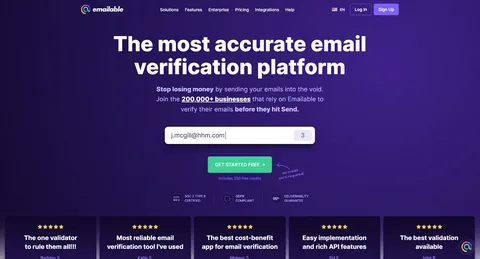
In the fast-paced world of digital marketing, sending emails to the wrong audience can cost businesses time, money, and reputation. Many email lists contain invalid, mistyped, or inactive addresses that reduce deliverability and engagement. An email verification tool becomes crucial in this situation. By automatically checking whether an email address is real, active, and safe
In the fast-paced world of digital marketing, sending emails to the wrong audience can cost businesses time, money, and reputation. Many email lists contain invalid, mistyped, or inactive addresses that reduce deliverability and engagement. An email verification tool becomes crucial in this situation. By automatically checking whether an email address is real, active, and safe to contact, businesses can ensure their campaigns reach the right audience. Beyond improving deliverability, verification protects sender reputation, enhances engagement, and saves resources. In this article, we’ll explore what an email verification tool is, how it works, and why your business needs one.
Fundamentally, an email verification tool is software that, without actually sending an email, determines whether an email address is legitimate and allowed to receive messages. Although this may seem straightforward, verification entails a number of tests, from syntax validation to server answers, that help weed out dangerous or invalid addresses before they ever reach your marketing system or CRM. The result? Higher deliverability, stronger engagement, and healthier email lists.
What Does an Email Verification Tool Do?
Imagine you want to send 10,000 emails to leads, but 30% are undeliverable because the addresses are fake. Those bounces can hurt your sender reputation and reduce your ability to reach real prospects.
An email verification tool prevents this by checking lists before you send:
1. Syntax Validation
Syntax validation is the first step in email verification, ensuring that each email address follows proper formatting rules. A valid email must include elements like the “@” symbol, a domain name, and correct character placement. Even minor typos, such as missing dots or extra spaces, can cause emails to bounce or fail to deliver. An email verification tool automatically checks for these errors before sending campaigns, preventing unnecessary bounces and wasted effort. By catching formatting issues early, syntax validation helps maintain list quality, improves deliverability, and ensures that your messages reach the right recipients every time.
2. Domain/MX Record Checks
Domain and MX record checks are a crucial step in email verification, ensuring that the email address’s domain is valid and capable of receiving messages. An MX (Mail Exchange) record indicates that a mail server is configured to accept emails for that domain. If the domain doesn’t exist or lacks proper MX records, any messages sent to that address will bounce. An email verification tool automatically performs these checks in real time, filtering out unreachable domains before campaigns are sent. This step reduces bounce rates, protects your sender reputation, and ensures that your emails reach genuine, active recipients.
3. Mailbox Verification (SMTP Handshake)
This step connects to the mail server to see if the specific mailbox exists. If the server says “no such user,” that address is invalid.
These checks happen automatically and very quickly, especially in bulk verification mode — meaning businesses can clean thousands of leads in minutes rather than hours. Tools like OMLead offer this capability right inside their platform so you can integrate verification into your lead generation and outreach workflows.

Email Verification Matters for Business Growth
1. Improve Email Deliverability
Email deliverability is crucial for the success of any campaign — even the best content fails if it never reaches the inbox. Sending messages to invalid or inactive addresses increases bounce rates, which signals email service providers (ESPs) that your domain may be untrustworthy. This can lead to emails being flagged as spam or blocked entirely. An email verification tool ensures that your list contains only valid, active email addresses, reducing bounces and improving overall deliverability. By maintaining a clean, verified list, your campaigns reach more real recipients, drive higher engagement, and achieve better marketing results.
2. Protect Your Sender Reputation
Your sender reputation is like a credit score for your email domain — it determines whether your messages land in inboxes or spam folders. High bounce rates, invalid addresses, and spam complaints can quickly damage your reputation, making it harder for future emails to reach real prospects. An email verification tool helps protect this reputation by filtering out risky, inactive, or fake addresses before you send campaigns. By maintaining a clean, verified email list, your messages are more likely to be delivered successfully, boosting engagement, preserving trust with email service providers, and ensuring long-term success for your marketing efforts.
3. Increase Engagement and Conversions
A clean, verified email list directly boosts engagement and conversions. Open rates, click-through rates, and reply rates all naturally increase when emails are received by actual, active recipients. This means your marketing messages are more likely to be seen, read, and acted upon — whether it’s signing up for a webinar, downloading content, or making a purchase. Verified emails also help personalize campaigns effectively, allowing businesses to segment audiences based on behavior and preferences. By combining email verification with targeted messaging, companies can create meaningful interactions that drive higher conversion rates and maximize the return on every marketing effort.
Who Should Use an Email Verification Tool?
Practically any business that sends emails can benefit — but some use cases are especially common:
-
Marketing Teams: to clean subscriber lists before campaigns
-
Sales Teams: to verify leads before outreach
-
Agencies: to maintain client list hygiene and protect deliverability
-
CRM/Data Managers: to keep system data fresh and accurate
For example, agencies using platforms that bundle lead generation with verification (like OMLead) can automatically filter out bad data from source to outreach, ensuring cleaner workflows and better results.
Conclusion
An email verification tool is no longer optional — it’s a vital part of any successful email marketing strategy. By ensuring that your emails reach valid, active addresses, it protects your sender reputation, reduces bounce rates, and increases engagement. Beyond saving time and resources, verification allows businesses to make smarter decisions, optimize campaigns, and generate better ROI. Platforms like OMLead make it easy to integrate verification with lead generation and outreach, creating a seamless workflow for consistent results. Investing in email verification today ensures cleaner lists, stronger campaigns, and long-term business growth.