
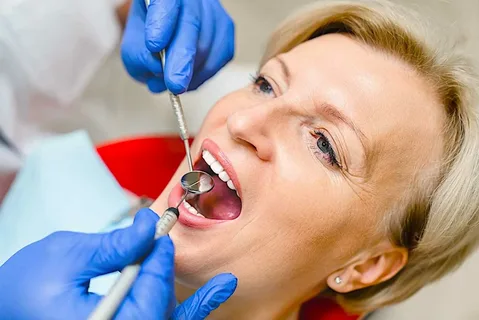
A healthy smile relies on more than just brushing twice a day or visiting the dentist when something goes wrong. Real, long-term oral health benefits from a connected approach where preventive dentistry and restorative treatments work hand in hand. This is what integrated dental care is all about combining early detection, patient education, professional cleaning,
A healthy smile relies on more than just brushing twice a day or visiting the dentist when something goes wrong. Real, long-term oral health benefits from a connected approach where preventive dentistry and restorative treatments work hand in hand. This is what integrated dental care is all about combining early detection, patient education, professional cleaning, and restorative solutions to support every stage of your dental journey. By focusing on prevention while ensuring timely intervention when problems arise, integrated care creates a stable foundation for lifelong oral health. In this blog, we explore what integrated dental care means, how it benefits patients, and why a coordinated approach delivers stronger, healthier smiles.
What Is Integrated Dental Care?
Integrated dental care is a holistic, patient-focused model that connects preventive, diagnostic, and restorative services into one seamless system. Rather than treating oral health issues as isolated events, this approach recognizes that every part of your dental health is interconnected.
At its core, integrated care ensures:
- Comprehensive assessment across all areas of oral health
- Smooth coordination between dentists, hygienists, and specialists
- Personalized treatment plans that address both current concerns and long-term goals
- Prevention-led strategies supported by timely rest oral care
Patients receive a more consistent, efficient, and reassuring experience. Whether you need routine cleaning or urgent intervention, an emergency dentist in Barnstaple can seamlessly collaborate with other team members, ensuring continuity and clarity throughout your treatment journey.
The Foundations of Preventive Dentistry
Preventive dentistry aims to stop problems before they begin. This essential branch of integrated care focuses on maintaining strong teeth and healthy gums through regular monitoring and cleaning. A hygienist in Barnstaple plays a key role in this process by removing plaque and tartar that at-home brushing cannot reach. By doing so, they help prevent gum disease, tooth decay, and bad breath issues that often lead to more serious restorative needs if ignored.
Key elements of preventive dentistry include:
- Routine check-ups: Allowing early diagnosis of enamel wear, decay, and bite issues.
- Professional hygiene treatments: Ensuring deep cleaning and polishing for long-term gum and tooth health.
- Lifestyle and diet advice: Helping patients reduce sugar intake, improve brushing techniques, and protect enamel.
- Early intervention: Addressing small concerns before they turn into painful or costly complications.
The more consistently patients follow preventive care, the fewer unexpected appointments they may need in the future.
Restorative Dentistry: Repairing and Rebuilding Your Smile
Even with excellent preventive care, teeth can still become damaged or worn over time. Restorative dentistry focuses on repairing, protecting, and rebuilding teeth to restore function, appearance, and comfort.
Common restorative treatments include:
| Restorative Treatment | Purpose | Benefit |
| Fillings | Treat cavities and minor tooth damage | Prevent decay from spreading |
| Crowns | Cover and protect weakened teeth | Improve strength and durability |
| Bridges | Replace missing teeth | Restore bite function and aesthetics |
| Root canal therapy | Treat infections inside the tooth | Save natural teeth from extraction |
| Dental implants | Permanent replacement for missing teeth | Long-lasting, natural-looking solution |
During urgent situations such as severe pain, swelling, or breakage patients may need immediate help. A trusted emergency dentist in Barnstaple can quickly address the issue, stabilize the tooth, and create a treatment plan that fits comfortably into the broader integrated care approach.
How Prevention and Restoration Work Together
Preventive and restorative dentistry are not separate processes they support and reinforce each other. Prevention reduces the likelihood of severe issues, while restorative treatments correct existing problems so preventive care can continue effectively.
The synergy between prevention and restoration includes:
- Early detection reducing the need for extensive restorative work
- Restorations that allow patients to maintain proper function and hygiene
- Regular monitoring ensuring restorations last longer
- Healthy gums supporting long-term stability of crowns, bridges, and implants
For example, after a restorative treatment, a hygienist in Barnstaple can help maintain the health of both natural teeth and restorations through tailored cleaning plans. This ensures ongoing protection and longevity.
The Role of a Multidisciplinary Dental Team
Integrated dental care thrives on collaboration. A multidisciplinary team includes dentists, hygienists, specialists, dental nurses, and lab technicians all working together to ensure patients receive the most appropriate and effective care.
Benefits of a team-based approach:
- Better communication: Ensuring seamless transitions between preventive and restorative treatments.
- Accurate diagnosis: Specialists contribute advanced knowledge for complex cases.
- Efficient planning: Coordinated treatment timelines reduce delays and inconvenience.
- Higher patient comfort: Clear explanations and joined-up care reduce stress and confusion.
When every professional communicates and collaborates, patients experience care that is smoother, more predictable, and more personalised.
Technology and Innovation in Integrated Care
Modern dentistry is enhanced significantly by advances in digital tools and equipment. Technology not only improves the accuracy of diagnosis but also speeds up treatment and enhances patient comfort.
Key innovations include:
- Digital X-rays: Offering clearer images with reduced radiation.
- Intraoral scanners: Creating precise 3D images without messy moulds.
- 3D imaging: Allowing detailed planning for implants and complex restorations.
- Same-day restorations: Enabling quicker solutions for damaged or missing teeth.
These technologies support integrated care by ensuring all team members have access to detailed, up-to-date information, improving both communication and outcomes.
Personalized Treatment Plans: Tailored for Every Smile
No two smiles are the same so dental care should never take a one-size-fits-all approach. Integrated dental care places great emphasis on personalized plans that consider the patient’s oral health history, lifestyle habits, functional needs, and aesthetic goals.
A well-designed plan may include:
- Scheduled preventive visits
- Hygiene treatments tailored to gum health
- Restorative procedures prioritized based on urgency
- Advice on nutrition, home care, and oral habits
- Regular follow-up appointments
With personalized guidance, patients can make informed decisions and stay actively involved in maintaining their oral health.
Conclusion
Integrated dental care offers a complete approach to oral health by uniting prevention, restoration, teamwork, and technology. When patients commit to routine check-ups and receive timely restorative support when needed, their smiles remain healthier for longer. By embracing a coordinated and personalized dental care model, you ensure your teeth and gums receive the attention they deserve today, tomorrow, and in the years ahead. With support from Barnstaple, maintaining a confident, resilient smile becomes not just achievable but effortless.