Healthcare often makes headlines for advanced machines, new treatments, and modern hospital buildings. However, the real transformation happens quietly inside hospital operations. It does not come from equipment alone. Instead, it comes from how information flows—or fails to flow—between departments. This is where a Hospital Management System makes a real difference. It does not add
Healthcare often makes headlines for advanced machines, new treatments, and modern hospital buildings. However, the real transformation happens quietly inside hospital operations. It does not come from equipment alone. Instead, it comes from how information flows—or fails to flow—between departments. This is where a Hospital Management System makes a real difference. It does not add complexity. Instead, it removes unnecessary confusion and brings everything into one organized system.
In many hospitals, staff still rely on a mix of paper files, spreadsheets, messaging apps, and disconnected software tools. This fragmented system may work during calm hours. But when pressure increases, it quickly breaks down. Emergency rooms get crowded, staff become overworked, and communication gaps start to appear.
The Hidden Problem Inside Hospitals
Most hospitals face the same daily challenge: managing information efficiently.
A patient file might be stored in one system. Lab results might sit in another. Billing details may be handled somewhere else entirely. As a result, staff often waste time searching for information instead of focusing on patient care.
This delay creates a chain reaction. Doctors wait for reports. Nurses repeat documentation. Patients wait longer than necessary. Families grow frustrated. Staff feel pressured and exhausted. Although each department tries its best, the lack of coordination slows everything down. Over time, this affects both patient experience and staff performance.
Hospital Management System Changes the Flow
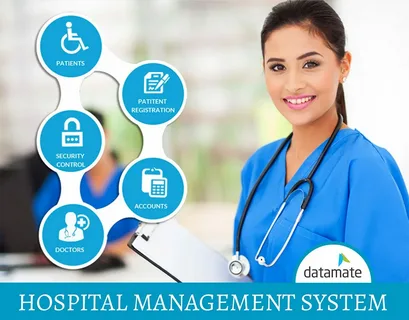
A Hospital Management System solves this problem by creating a single digital record for every patient. It connects all departments in real time.
Now, when a patient is registered, their information becomes instantly available across the hospital. When a doctor updates a diagnosis, the system shares it immediately. When a lab test is ordered, the request reaches the lab without phone calls or delays.
Because of this connection, departments no longer work in isolation. Instead, they function as one coordinated system. This improves speed, accuracy, and overall efficiency.
Making Daily Hospital Work Easier
A good Hospital Management Software does not force staff to change how they think. Instead, it supports their natural workflow.
Front-desk teams can register patients quickly with simple steps. Doctors can access complete medical histories without searching through files. Nurses can view task lists clearly instead of relying on handwritten notes or memory.
This simplicity matters. Hospitals are fast-paced environments. Staff do not have time to learn complicated systems. When the software is easy to use, it becomes part of the routine rather than an obstacle. As a result, employees spend more time on care and less time on paperwork.
A Better Experience for Patients
Patients may not see the software behind the scenes, but they immediately feel its impact.
First, waiting times become more predictable. Information moves faster, so delays reduce naturally. Second, patients do not need to repeat their medical history at every department. Their records are already available.
In addition, billing becomes clearer and more accurate. Since every service is tracked in real time, there are fewer mistakes and surprises. Follow-up reminders and appointment updates also become more reliable. This helps patients stay connected to their treatment plans and improves overall care outcomes.
When hospitals are well-organized digitally, the entire experience feels calmer and more respectful.
Better Control for Hospital Management
Hospital leadership also benefits greatly from integrated systems.
Instead of relying on guesswork or scattered reports, managers get a complete view of hospital operations. They can see which departments are busy, where delays are happening, and how resources are being used.
For example, they can track patient flow in emergency rooms. They can monitor average discharge times. They can also identify areas where staff may need support. With this data, decision-making becomes clearer and more accurate. Leaders can plan improvements based on real information instead of assumptions.
This level of visibility helps hospitals grow stronger and more efficient over time.
Implementation Matters as Much as Technology
However, installing a Hospital Management System is not enough on its own. The real challenge lies in implementation. Hospitals are busy environments. Staff already work under pressure. If a new system slows them down or feels complicated, they may resist using it.
That is why successful implementation starts with understanding real workflows. It is important to observe how doctors, nurses, and administrative teams work every day. Their input helps shape a system that fits naturally into their routines.
Training also plays a key role. When staff understand how the system supports them, adoption becomes easier. Gradual rollout and continuous feedback help refine the system over time. Technology works best when it grows with the people who use it.
The Human Side of Digital Healthcare
Even the best Hospital Management Software cannot fix every problem on its own. Technology reflects the environment in which it is used. If a hospital promotes teamwork, transparency, and accountability, the system strengthens those values. It makes communication clearer and coordination smoother.
However, if the organization struggles with poor communication or unclear processes, the software alone will not solve those issues. It may even highlight them more clearly. This is why leadership and culture matter just as much as technology. A system can organize data, but people bring it to life.
The Future of Hospital Management
Healthcare is moving toward a more connected future. Technology will continue to play a bigger role in how hospitals operate.
In the coming years, hospitals that treat information as carefully as patient care itself will stand out. They will use digital systems not just for record-keeping, but for improving every stage of treatment.
From admission to discharge, every step will become more coordinated. Every decision will be supported by better information. And every patient will benefit from faster, safer, and more reliable care.
Final Thoughts
A Hospital Management System is more than just software. It is a way to bring order to complex healthcare environments. It connects departments, reduces delays, and improves both staff efficiency and patient experience.
When implemented properly, it creates a smoother flow of information across the entire hospital. Doctors respond faster, nurses work more efficiently, and patients receive better care.
Ultimately, the goal of healthcare remains the same: to heal and support people. A well-designed Hospital Management System simply helps hospitals achieve that goal in a more organized, effective, and human way.