
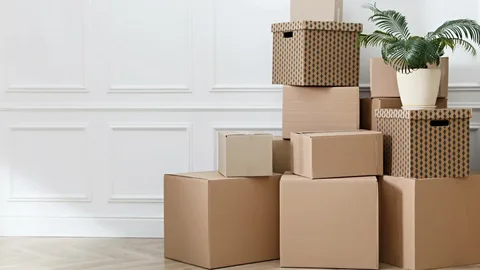
Moving can feel overwhelming when someone is standing in the middle of their home, looking at furniture, clothes, and years of memories wondering how everything will be packed safely. Boxes and supplies are the first real step in the moving process, yet they often become an unexpected expense. The good news is that there are
Moving can feel overwhelming when someone is standing in the middle of their home, looking at furniture, clothes, and years of memories wondering how everything will be packed safely. Boxes and supplies are the first real step in the moving process, yet they often become an unexpected expense. The good news is that there are practical and proven ways to find packing materials nearby without spending extra money.
Many people don’t realize how easy it is to get boxes and supplies for free if they know where to look. Once the right approach is followed, the entire packing phase becomes smoother, cheaper, and far less stressful.
Why Finding Free Packing Materials Matters Before a Move
Before diving into where to find boxes, it helps to understand why this matters so much for anyone planning a move.
According to industry data, the average U.S. household spends $150–$300 on packing materials alone during a move. This includes boxes, tape, bubble wrap, and protective paper. For larger homes, that cost can go even higher.
Reducing or eliminating this expense allows movers to allocate their budget toward more important things like transportation or professional movers listed on trusted platforms such as My Good Movers, a well-known moving directory that helps people compare reliable moving companies.

The Hidden Cost of Buying New Boxes
New boxes may look clean and convenient, but they add up quickly. A single medium moving box can cost between $2 and $5, and most households need 40–60 boxes depending on size.
That means:
- A small apartment may need 25–30 boxes
- A two-bedroom home often needs 40–50 boxes
- A large house may require 70 or more boxes
This is exactly why experienced movers recommend sourcing free packing supplies early in the process instead of waiting until the last minute.
Start With Your Local Community First
One of the easiest ways to find free packing boxes is by checking within the local community. Most people who have recently moved are eager to get rid of their leftover boxes.
Online Community Platforms
Local online groups are incredibly effective because they connect people nearby who are giving away items they no longer need.
Common platforms include:
- Facebook Marketplace local listings
- Buy Nothing groups
- Freecycle networks
- Neighborhood community forums
People frequently post offers for boxes, packing paper, and even bubble wrap. These supplies are often still in excellent condition and available for immediate pickup.
Timing Makes a Big Difference
Moves usually happen at the beginning or end of the month. Checking listings during these periods increases the chances of finding quality boxes quickly.
Ask Friends, Family, and Coworkers
Sometimes the simplest solution is also the most overlooked. Friends, relatives, or coworkers may have boxes sitting in storage after a recent move.
Why Personal Networks Work Well
People are more likely to give boxes away to someone they know rather than deal with recycling or disposal. A simple message or conversation can result in a steady supply of boxes without any effort.
This approach works especially well for:
- Book boxes
- Wardrobe boxes
- Heavy-duty kitchen boxes
Visit Local Stores That Receive Daily Shipments
Retail stores receive deliveries constantly, and those deliveries come in sturdy cardboard boxes that are perfect for moving.
Best Types of Stores to Visit
Not all stores are equal when it comes to box quality. The most reliable options include:
- Grocery stores
- Liquor stores (excellent for small heavy items)
- Bookstores
- Electronics stores
- Office supply stores
How to Ask the Right Way
Instead of showing up randomly, it’s better to:
- Visit during restocking hours
- Speak politely with a store manager
- Ask if boxes can be set aside for pickup
Most stores are happy to help because it saves them disposal work.
Recycling Centers and Drop-Off Locations
Recycling centers are another valuable but underused source of packing materials.
Why Recycling Centers Are Useful
Many boxes that arrive at recycling centers are still clean and structurally sound. Some facilities allow people to take boxes for free as long as they are reused responsibly.
This method supports sustainability while reducing moving costs.
Important Things to Check
Before using boxes from recycling centers:
- Ensure they are dry and odor-free
- Avoid boxes with food residue
- Choose sturdy, double-walled boxes
Workplace and Educational Institutions
Offices and schools receive bulk shipments regularly, making them excellent sources for strong boxes.
Office Buildings and Warehouses
Office supply deliveries often include large boxes designed to carry heavy equipment. These boxes are ideal for electronics, files, and fragile items.
Schools and Libraries
Schools unpack textbooks, paper supplies, and equipment throughout the year. Asking an administrator or facilities manager can lead to a reliable supply of boxes.
Use Online Box Exchange and Moving Networks
Some moving-related platforms provide box exchange services that connect people who need boxes with those who are giving them away.
Moving Communities and Directories
People browsing moving directories like My Good Movers often look for cost-effective solutions before hiring a mover. Many of these users also share resources such as boxes and supplies within moving communities.
Planning Ahead Pays Off
Starting the box search 4–6 weeks before moving day allows movers to:
- Collect boxes gradually
- Sort by size and strength
- Avoid last-minute purchases
This planning approach makes the entire move more organized and controlled.
Additional Free Packing Supplies Beyond Boxes
Boxes are only part of the packing process. Many other materials can also be sourced for free.
Common Household Items That Work Well
Instead of buying new supplies, people can reuse:
- Towels and blankets for padding
- Newspapers for wrapping
- Clothing for cushioning fragile items
Local Print Shops and Offices
Print shops often discard excess paper, which can be used safely for wrapping dishes and glassware.
Mid-Move Tip for Saving Even More Money
Halfway through packing, many movers realize they still need extra materials. This is where checking for Free Packing Supplies again can help fill the gap without adding costs.
At this stage, movers usually know exactly what sizes and materials they need, making second-round sourcing faster and more efficient.
Environmental Benefits of Reusing Packing Materials
Using reused boxes is not just budget-friendly, it is environmentally responsible.
Reducing Moving Waste
Studies show that moving contributes significantly to landfill waste due to single-use packing materials. Reusing boxes reduces:
- Cardboard waste
- Plastic wrapping waste
- Overall environmental impact
Passing Boxes Forward After the Move
Once the move is complete, passing boxes to another mover keeps the cycle going and helps the community.
Final Thoughts on Finding Packing Supplies Locally
Finding free packing boxes and supplies is not about luck. It’s about knowing where to look, planning ahead, and using local resources wisely. From community groups and retail stores to offices and recycling centers, opportunities are everywhere for those who take a proactive approach.