
Chronic hip pain can deeply affect your quality of life. Simple tasks such as walking, sitting for long periods, climbing stairs, or even sleeping comfortably may become difficult. When medications, lifestyle changes, injections, and physical therapy no longer provide relief, doctors may recommend hip replacement surgery. In recent years, minimally invasive hip replacement has become
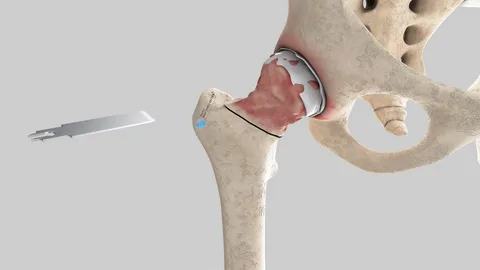
Chronic hip pain can deeply affect your quality of life. Simple tasks such as walking, sitting for long periods, climbing stairs, or even sleeping comfortably may become difficult. When medications, lifestyle changes, injections, and physical therapy no longer provide relief, doctors may recommend hip replacement surgery. In recent years, minimally invasive hip replacement has become a popular option for patients who want effective results with potentially faster recovery.
But is this advanced technique the right choice for you? Let’s understand it in simple terms.
What Is Minimally Invasive Hip Replacement?
Minimally invasive hip replacement is a modern surgical method used to replace a damaged or worn-out hip joint. The main difference between this and traditional surgery is the size of the incision and how much muscle is disturbed during the procedure.
In traditional hip replacement, a larger incision is made to access the joint. In minimally invasive surgery, the surgeon uses one or two smaller incisions. Special surgical instruments are used to remove the damaged bone and cartilage and replace them with artificial components (implants) made of metal, ceramic, or durable plastic.
The goal is the same as traditional surgery — relieve pain and restore movement — but with less tissue damage.
Why Do People Need Hip Replacement?
Hip replacement is usually recommended for patients suffering from:
- Severe osteoarthritis
- Rheumatoid arthritis
- Hip fractures
- Avascular necrosis
- Joint deformities
- Long-term hip injuries
When the cartilage that cushions the hip joint wears away, bones begin to rub against each other. This causes pain, stiffness, inflammation, and limited mobility. If non-surgical treatments fail, replacement surgery may offer long-term relief.

Benefits of Minimally Invasive Technique
Many patients prefer minimally invasive hip replacement because of its potential advantages. These may include:
1. Smaller Incisions
The surgical cuts are smaller, which may result in less visible scarring.
2. Less Muscle Damage
Since surgeons work carefully around muscles rather than cutting through them extensively, recovery may be smoother.
3. Reduced Blood Loss
Smaller incisions often mean less bleeding during surgery.
4. Shorter Hospital Stay
Some patients are discharged within a few days, depending on their recovery.
5. Faster Initial Recovery
Patients may begin walking with assistance sooner compared to traditional surgery.
However, it is important to remember that results vary from person to person.
Who Is an Ideal Candidate?
Not every patient qualifies for minimally invasive hip replacement. Your orthopedic surgeon will evaluate your medical history, weight, bone quality, and overall health before recommending this approach.
You may be a suitable candidate if:
- You are generally healthy
- You do not have severe obesity
- You have good bone strength
- You do not have complex hip deformities
- This is your first hip replacement surgery
Patients who have had previous hip surgeries or have severe joint damage may require the traditional method instead.
What Happens During the Surgery?
The procedure is performed under spinal or general anesthesia. The surgeon makes a small incision near the hip and carefully removes the damaged joint surfaces. The artificial socket is placed into the pelvic bone, and a metal or ceramic ball replaces the damaged femoral head (top part of the thigh bone).
The implants are designed to function like a natural hip joint, allowing smooth movement and reduced pain.
The surgery usually takes 1 to 2 hours, depending on the complexity of the case.
Recovery and Rehabilitation
Here is a general recovery timeline:
- First Few Days: Walking with walker or crutches
- First 2–4 Weeks: Gradual increase in activity
- 6 Weeks: Many patients return to light daily tasks
- 3 Months: Significant improvement in mobility
- 6–12 Months: Full recovery for most patients
Following your doctor’s instructions, attending physiotherapy sessions, and maintaining a healthy lifestyle are key to long-term success.
Are There Any Risks?
Like all surgeries, minimally invasive hip replacement carries some risks, although serious complications are uncommon.
Possible risks include:
- Infection
- Blood clots
- Implant loosening
- Nerve or blood vessel injury
- Dislocation of the joint
Choosing an experienced orthopedic surgeon and a well-equipped hospital greatly reduces these risks.
Understanding the Cost Aspect
Cost is often an important factor when planning surgery. The total expense depends on several factors such as hospital infrastructure, surgeon’s expertise, type of implant used, city of treatment, and post-surgical rehabilitation.
Many patients, both domestic and international, compare the Hip Replacement Surgery Cost In India because the country offers advanced orthopedic care with modern technology at comparatively affordable rates. However, it is essential to request a detailed cost breakdown from the hospital to understand what is included in the package.
Life After Surgery
One of the biggest concerns patients have is whether they can return to a normal life. The good news is that most people experience significant pain relief and improved mobility after recovery.
After surgery, patients are advised to:
- Avoid high-impact sports
- Maintain a healthy body weight
- Continue strengthening exercises
- Attend regular follow-up appointments
Low-impact activities like walking, swimming, and cycling are usually encouraged. With proper care, a hip implant can last 15–20 years or even longer.
Minimally Invasive vs Traditional: Which Is Better?
There is no single “best” approach for everyone. While minimally invasive surgery offers certain benefits, the success of the operation depends more on the surgeon’s skill and the patient’s overall condition than the incision size alone.
In some complex cases, a traditional approach may provide better visibility and precision for the surgeon. Therefore, the decision should always be personalized.
Is It Right for You?
If hip pain is affecting your daily life and non-surgical treatments are no longer effective, it may be time to consult an orthopedic specialist. Minimally invasive hip replacement can be an excellent option for suitable candidates seeking faster recovery and smaller scars.