
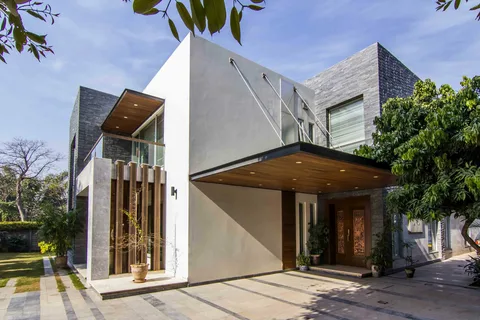
Islamabad, the capital city of Pakistan, is admired for its organized urban layout, scenic Margalla Hills, and modern infrastructure. As the city continues to grow with residential complexes, commercial centers, and institutional projects, the demand for skilled architects has increased significantly. The best architects in Islamabad are more than just building designers—they are visionaries who
Islamabad, the capital city of Pakistan, is admired for its organized urban layout, scenic Margalla Hills, and modern infrastructure. As the city continues to grow with residential complexes, commercial centers, and institutional projects, the demand for skilled architects has increased significantly. The best architects in Islamabad are more than just building designers—they are visionaries who merge creativity, technical expertise, and cultural insight to create structures that are functional, aesthetically appealing, and sustainable. From luxury villas and modern apartments to commercial complexes and public landmarks, these architects have played a key role in defining Islamabad’s architectural identity.
Role of an Architect in Islamabad
best Architects in Islamabad are responsible for designing buildings that are safe, functional, and visually striking. Their role extends beyond the drawing board—they coordinate with clients, engineers, contractors, and interior designers to bring a concept to life.
Key responsibilities of an architect include:
-
Conceptual Design: Developing innovative designs tailored to the client’s needs and the site’s context.
-
Space Planning: Optimizing layouts for efficiency, comfort, and usability.
-
Material and Structural Planning: Selecting suitable materials and coordinating with engineers to ensure structural stability and longevity.
-
Project Supervision: Overseeing construction to guarantee adherence to design, quality standards, and budget.
-
Sustainability: Incorporating eco-friendly materials, energy-efficient systems, and climate-responsive strategies.
Architects in Islamabad also ensure compliance with the regulations set by the Capital Development Authority, which governs zoning, building heights, and land use, ensuring that projects are safe, legal, and harmonious with the city’s urban plan.
Architectural Landscape of Islamabad
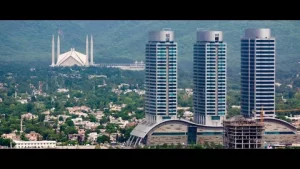
Islamabad’s architecture is a blend of modern aesthetics, cultural symbolism, and environmental responsiveness. The city’s layout, divided into sectors, provides opportunities for architects to design a wide variety of structures, from functional residential homes to iconic public landmarks.
Some prominent architectural examples include:
-
Faisal Mosque: Designed by Turkish architect Vedat Dalokay, this mosque is an iconic example of modern Islamic architecture, blending geometric forms with traditional symbolism.
-
Pakistan Monument: Its petal-shaped design reflects national unity and combines cultural representation with contemporary engineering.
-
Residential and Commercial Projects: High-end sectors like F-6, F-7, and DHA feature villas, apartments, and offices that require architects to balance luxury, functionality, and style.
These projects demonstrate how architects in Islamabad integrate culture, modern design principles, and functionality into their work.
Leading Architects and Firms in Islamabad
Several architects and firms have earned recognition for their creativity, professionalism, and high-quality projects in Islamabad. Some notable names include:
-
Archi-Cubic: Specializes in contemporary residential and commercial architecture, focusing on natural lighting, open layouts, and sustainable design.
-
Syed Brothers Architects: Known for luxury villas and large-scale residential projects, blending classical elements with modern architecture.
-
ASA Architects: Provides consultancy for urban planning, sustainable architecture, and residential, commercial, and institutional projects.
-
Javed Noor Architects: Renowned for precision and innovation in both public and private projects.
-
The Designers: A multidisciplinary firm offering architecture, interior design, and project management to ensure cohesive project execution.
These architects have contributed significantly to Islamabad’s skyline, designing buildings that are not only functional and structurally sound but also visually impressive
Residential Architecture
Residential architecture is a major segment for architects in Islamabad. With growing demand for luxury villas, modern apartments, and custom homes, architects focus on creating spaces that blend aesthetics, comfort, and functionality.
Key elements of residential design include:
-
Open-plan living areas to maximize natural light and ventilation
-
Ergonomically designed kitchens, bedrooms, and bathrooms
-
Custom storage solutions and built-in furniture
-
Outdoor terraces, courtyards, and landscaped gardens
-
Integration of local craftsmanship and cultural motifs
By collaborating with local artisans, architects create residences that combine modern design principles with traditional craftsmanship, producing homes that are luxurious, comfortable, and culturally resonant.
Skills and Expertise
Top architects in Islamabad possess a mix of creative and technical skills:
-
Conceptual and spatial design expertise
-
Knowledge of materials, construction techniques, and structural systems
-
Proficiency in software such as AutoCAD, Revit, SketchUp, and 3ds Max
-
Project management and coordination with contractors
-
Understanding local building codes, zoning laws, and sustainable architecture practices
Attention to detail, problem-solving abilities, and strong communication skills are crucial for executing complex architectural projects successfully.
Education and Career Opportunities
Architecture is a respected and growing profession in Islamabad. Universities and institutes offer programs in architecture, urban planning, and design. Graduates typically start as interns or junior architects before joining established firms or launching independent practices.
Career paths include:
-
Residential, commercial, and institutional architecture
-
Urban planning and development consultancy
-
Government and municipal projects
-
Real estate and construction consultancy
As Islamabad expands, architects have ample opportunities to create innovative, functional, and visually compelling buildings.
Importance of Architects in Islamabad
Architects are essential to Islamabad’s development and aesthetic identity. They design structures that are functional, sustainable, and visually appealing, improving quality of life and property value. By combining modern trends with cultural and environmental considerations, architects contribute to the city’s growth while maintaining its distinctive character.
Future of Architecture in Islamabad
The future of architecture in Islamabad is influenced by urbanization, sustainability, and technological innovation:
-
Smart buildings with automation and energy-efficient systems
-
Green and climate-responsive architecture
-
High-rise and mixed-use developments
-
Advanced 3D modeling, virtual reality, and visualization techniques
As the city evolves, architects will continue to shape functional, sustainable, and visually impressive urban spaces.
Conclusion
The best architects in Islamabad combine creativity, technical expertise, and cultural understanding to design buildings that are functional, sustainable, and aesthetically impressive. From luxury villas and modern apartments to corporate offices and public landmarks, architects define the city’s architectural landscape. Leading firms such as Archi-Cubix, Syed Brothers Architects, ASA Architects, Javed Noor Architects, and The Designers exemplify quality, innovation, and professionalism.
As Islamabad continues to grow and modernize, architects will remain central to creating spaces that balance aesthetics, functionality, and sustainability, ensuring that the city develops as a modern, livable, and culturally rich urban center.