
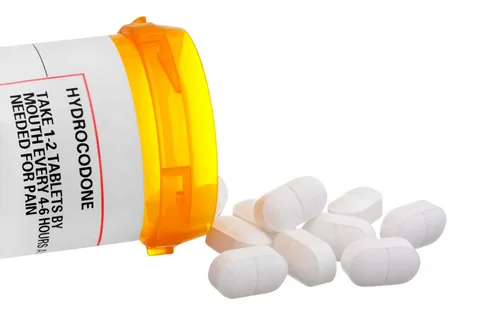
Managing moderate to severe pain effectively requires a delicate balance between powerful relief and rigorous safety. Hydrocodone 10/325mg is a high-potency prescription medication specifically designed for this purpose. It utilizes a dual-action formula: it combines hydrocodone, a potent opioid analgesic, with acetaminophen, a non-opioid pain reliever that boosts the overall effectiveness of the treatment. Healthcare
Managing moderate to severe pain effectively requires a delicate balance between powerful relief and rigorous safety. Hydrocodone 10/325mg is a high-potency prescription medication specifically designed for this purpose. It utilizes a dual-action formula: it combines hydrocodone, a potent opioid analgesic, with acetaminophen, a non-opioid pain reliever that boosts the overall effectiveness of the treatment.
Healthcare providers frequently turn to this medication to help patients recover from surgery, manage major injuries, or handle debilitating chronic conditions. Because of its strength, understanding the mechanics, dosage, and safety protocols is not just helpful—it is vital for your health. This guide breaks down everything you need to know to use this medication responsibly.
What Exactly is Hydrocodone 10/325mg?
This medication is an opioid analgesic that changes how your body perceives pain. It works by binding to specific receptors in the brain and spinal cord, effectively “quieting” the pain signals. The inclusion of acetaminophen serves two purposes: it reduces fever and creates a synergistic effect, meaning it helps the hydrocodone work more efficiently than it would alone.
The “10/325mg“ label tells you exactly what is inside each tablet:
- 10mg of hydrocodone: The opioid component for deep pain management.
- 325mg of acetaminophen: The secondary pain reliever and fever reducer.
This specific ratio allows doctors to provide strong relief while keeping a close eye on acetaminophen levels to protect your liver.

Primary Uses for Targeted Pain Relief
Doctors prescribe Hydrocodone 10/325mg when over-the-counter options like ibuprofen or standard acetaminophen aren’t enough. Common scenarios include:
- Post-Surgical Recovery: Essential for managing the initial days of healing after orthopedic, dental, or major abdominal surgeries.
- Acute Injury Support: Provides necessary relief for severe fractures, deep tissue sprains, or traumatic injuries.
- Chronic Condition Management: Used selectively for severe back pain or advanced arthritis when other therapies have failed.
- Multi-Modal Therapy: Integrated into broader treatment plans when a patient requires a multifaceted approach to pain control.
Crucially, this medication is never intended for mild pain. Because it is an opioid, its use requires careful, professional monitoring.
Dosage: Precision is Key
Your specific dosage depends on your pain levels, your medical history, and your personal tolerance. Always follow your doctor’s exact instructions. General guidelines usually include:
- Adult Standard: One tablet every 4 to 6 hours as needed. Never exceed the maximum daily limit of acetaminophen, which is generally 4,000mg per day. Exceeding this can cause irreversible liver damage.
- Sensitive Populations: Elderly patients often start with a lower dose, as their systems may be more sensitive to the sedative effects of opioids.
- Pediatric Care: This medication is rarely used for children; any use must be strictly managed by a specialized pediatrician.
Best Practices for Safe Consumption
Taking this medication correctly is the first step in avoiding complications. Follow these rules for the best results:
- Swallow it Whole: Take your tablet with a full glass of water. Do not crush, chew, or break the pill, as this can release the medication too quickly and increase the risk of an overdose.
- Manage Nausea: You can take it with or without food, but if you feel nauseous, try taking it after a small meal.
- The Alcohol Rule: Never consume alcohol while on this medication. Combining the two significantly increases the risk of dangerous side effects and fatal respiratory issues.
Understanding Potential Side Effects
While Hydrocodone 10/325mg is highly effective, it does carry side effects. Most users experience mild symptoms, but you must remain vigilant for serious reactions.
Common Side Effects:
- Drowsiness, dizziness, or lightheadedness.
- Nausea, vomiting, or stomach discomfort.
- Constipation (a very common opioid side effect).
Serious Symptoms (Seek Emergency Help Immediately):
- Extremely slow or shallow breathing.
- Confusion, hallucinations, or seizures.
- Signs of an allergic reaction (swelling, hives, or difficulty breathing).
- Signs of liver trouble (yellowing of the skin or eyes).
Crucial Safety Measures and Warnings
Because hydrocodone is an opioid, it carries a risk of physical dependence and addiction. Protecting yourself involves several key precautions:
1. Avoid Dangerous Combinations
Do not mix this medication with sedatives, benzodiazepines, or other “downers.” Doing so can lead to life-threatening respiratory depression.
2. Personal Prescription Only
Never share your medication with anyone else. What is safe for you could be lethal for another person. Furthermore, sharing controlled substances is illegal.
3. Monitor Your Body
Be honest with your doctor about your history. If you have a history of substance abuse, or if you have liver, kidney, or lung disease, your doctor needs to know to manage your care safely.
A Holistic Approach to Pain Management
To achieve the best quality of life, use Hydrocodone 10/325mg as one part of a larger strategy.
- Use the Minimum: Take the lowest dose that works for you for the shortest time possible.
- Layer Your Care: Combine your medication with rest, ice, physical therapy, or gentle stretching as recommended by your therapist.
- Stay in Touch: Attend all follow-up appointments. Regular communication with your doctor ensures your pain is being managed without letting side effects get out of hand.
Conclusion
Hydrocodone 10/325mg is a powerful and reliable tool for overcoming severe pain, provided it is used with respect and caution. By sticking to the prescribed dosage and staying aware of the safety warnings, you can reclaim your mobility and comfort while minimizing risks.
True recovery is a partnership between you and your healthcare provider. Use this medication as a bridge to get you back on your feet, and always prioritize long-term health over short-term relief. Cheers to a safer, more comfortable path to healing.