Dental problems rarely arrive at a convenient time. A sudden toothache, a knocked tooth, or a broken brace can cause significant pain and anxiety, especially when you are unsure where to turn. At the same time, orthodontic treatment is a long-term commitment that requires regular monitoring and continuity of care. Increasingly, patients are seeking dental
Dental problems rarely arrive at a convenient time. A sudden toothache, a knocked tooth, or a broken brace can cause significant pain and anxiety, especially when you are unsure where to turn. At the same time, orthodontic treatment is a long-term commitment that requires regular monitoring and continuity of care. Increasingly, patients are seeking dental practices that can manage both urgent dental needs and planned orthodontic treatment in one place. Having emergency dental care and orthodontics under one roof offers reassurance, efficiency, and better overall outcomes, ensuring patients receive prompt attention without disrupting their ongoing dental journey.
Understanding Dental Emergencies
A dental emergency is any oral health issue that requires immediate attention to relieve pain, stop bleeding, or prevent long-term damage. These situations can escalate quickly if left untreated, making timely professional care essential.
Common dental emergencies include:
- Severe or persistent tooth pain
- Swelling of the face or gums
- Dental trauma from accidents or sports injuries
- Lost fillings, crowns, or broken teeth
In such cases, access to an emergency dentist in Newton Abbot can make a critical difference. Prompt intervention not only alleviates discomfort but also protects surrounding teeth and tissues from further complications. When emergency care is delivered within a practice that also provides orthodontics, treatment decisions can be made with a full understanding of the patient’s dental history.
The Role of Orthodontics in Long-Term Oral Health
Orthodontics is often associated with improving the appearance of a smile, but its benefits extend far beyond aesthetics. Correcting misaligned teeth and bite issues can significantly improve oral function and long-term dental health.
Key benefits of orthodontic treatment include:
- Improved bite alignment for better chewing
- Easier cleaning and improved oral hygiene
- Reduced risk of uneven tooth wear
- Support for jaw health and comfort
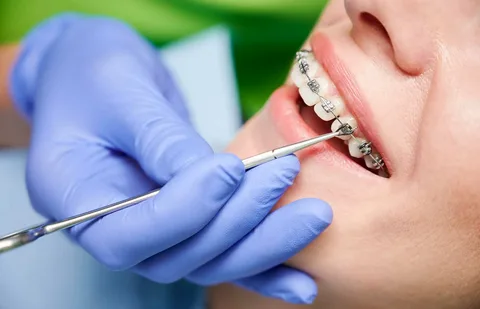
For patients under the care of an orthodontist Newton Abbot residents trust, ongoing monitoring is essential. Orthodontic appliances require regular adjustments, and any disruption such as damage or pain needs swift attention to keep treatment on track.
Why Integrated Emergency and Orthodontic Care Matters
When emergency dentistry and orthodontics are offered together, patients benefit from a more coordinated approach to care. Dental emergencies can directly affect orthodontic appliances, and orthodontic issues can sometimes cause urgent discomfort.
The advantages of integrated care include:
- Immediate assessment without external referrals
- Faster resolution of orthodontic-related emergencies
- Consistent treatment planning across services
- Reduced stress for patients and families
For example, a patient experiencing severe pain from a shifted wire can be treated promptly by the same team familiar with their orthodontic plan. Access to an emergency dentist in Newton Abbot within the same practice ensures that urgent care decisions support, rather than compromise, long-term orthodontic goals.
Common Orthodontic Emergencies and How They’re Managed
Orthodontic treatment can occasionally lead to unexpected issues that require urgent attention. These situations are rarely life-threatening but can cause significant discomfort if not addressed quickly. The table below outlines common orthodontic emergencies and how they are typically managed in an integrated practice:
| Orthodontic Issue | Immediate Care Provided |
| Broken brackets or wires | Repair or stabilization to prevent irritation |
| Severe discomfort | Adjustment and pain relief measures |
| Damaged appliances | Assessment and replacement if needed |
| Soft tissue irritation | Protective solutions and guidance |
Having an orthodontist Newton Abbot patients already know and trust handle these issues ensures continuity and peace of mind, particularly during unexpected situations.
Benefits of One Trusted Dental Team
One of the greatest advantages of combined emergency and orthodontic care is the continuity provided by a single dental team. Familiarity with a patient’s history allows for quicker, more accurate decision-making.
Benefits of a unified dental team include:
- A complete understanding of dental and orthodontic records
- Consistent clinical standards and communication
- Reduced risk of conflicting treatment advice
- Stronger patient–clinician relationships
Patients are often more comfortable seeking urgent care from a team they already know. This trust is invaluable, especially when dealing with pain or anxiety, and reinforces confidence in both emergency and orthodontic treatment.
Convenience for Families and Busy Individuals
Modern life is busy, and managing appointments at multiple dental practices can be challenging. Integrated care simplifies this process by offering everything in one location.
Practical advantages include:
- Fewer visits to different clinics
- Simplified scheduling and follow-ups
- Reduced travel time and disruption
- Confidence that help is available when needed
For families with children undergoing orthodontic treatment, this convenience is particularly important. Knowing that both routine orthodontic care and urgent dental support are accessible in the same place reduces stress and saves valuable time.
How Integrated Care Supports Better Outcomes
Beyond convenience, integrated emergency and orthodontic care leads to better clinical outcomes. When the same team manages both urgent and long-term needs, treatment decisions are more informed and cohesive.
This approach supports:
- Faster recovery from dental emergencies
- Protection of orthodontic progress
- Reduced risk of complications
- Improved long-term oral health
For patients, this means fewer setbacks and a smoother overall treatment journey. Dental care becomes proactive rather than reactive, with emergencies managed in a way that aligns with broader orthodontic goals.
Choosing the Right Practice for Comprehensive Care
Not all dental practices offer both emergency and orthodontic services, so choosing the right provider is an important decision. Patients should look for practices that prioritize experience, accessibility, and patient-centered care.
Key factors to consider include:
- Availability of emergency appointments
- Qualified orthodontic professionals
- Modern equipment and techniques
- Clear communication and transparency
A practice that combines these elements is well positioned to support patients through both unexpected dental issues and long-term orthodontic treatment.
Conclusion
Having emergency dental care and orthodontics in one trusted place provides reassurance that no matter what arises, expert help is close at hand. This integrated approach ensures prompt relief during emergencies while protecting the progress of orthodontic treatment. By offering continuity, convenience, and comprehensive care, such practices support better outcomes and greater patient confidence. Choosing a dental team that can address both urgent needs and long-term goals allows patients to feel secure in their care, knowing their oral health is managed with expertise and consistency, as demonstrated by Newton Abbot.