

In modern workplaces, safety hazards are ever-present. They range from chemical exposure to equipment malfunctions and procedural oversights. Without a structured system, small lapses can quickly escalate into serious incidents. This puts both employees and the organization’s reputation at severe risk. Establishing a proactive safety framework is not merely about regulatory compliance. It represents a
In modern workplaces, safety hazards are ever-present. They range from chemical exposure to equipment malfunctions and procedural oversights. Without a structured system, small lapses can quickly escalate into serious incidents. This puts both employees and the organization’s reputation at severe risk. Establishing a proactive safety framework is not merely about regulatory compliance. It represents a deep commitment to preventing harm and maintaining operational efficiency.
One effective way to strengthen workplace safety is through a structured OSHA Course Online. These digital programs provide workers with practical knowledge on hazard identification, risk mitigation, and emergency response. By integrating this training into daily operations, organizations ensure that safety principles are consistently applied. This reduces accidents and fosters a strong culture of awareness and responsibility across all levels.
Understanding OHSMS: Building the Foundation for Safety
An Occupational Health and Safety Management System (OHSMS) provides a systematic framework to manage workplace risks. It combines policies, procedures, and responsibilities into a cohesive approach. This integration ensures that teams identify, mitigate, and monitor hazards continuously.
Integrating an OSHA Course Online within this system reinforces daily awareness. It equips employees with the skills to respond effectively to sudden risks. Without a structured OHSMS, even seasoned workers may overlook subtle danger signals. This oversight significantly increases the likelihood of preventable accidents.
Consequences of Weak Safety Management
Neglecting a strong OHSMS can lead to serious consequences for any business. Workplace accidents often result in painful injuries, costly production delays, and heavy regulatory scrutiny. Over time, inconsistent safety practices can erode employee trust and reduce overall adherence to protocols.
Emerging challenges compound these operational risks quite heavily. These include the introduction of new materials, high subcontractor turnover, and evolving government regulations. Organizations lacking a structured approach often struggle to maintain consistent safety standards across different job sites.
Key Components of an Effective OHSMS
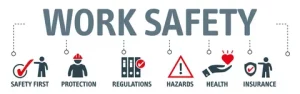
A resilient OHSMS relies on several essential, interconnecting components:
-
Safety Policy and Management Commitment: Clearly communicated intentions and visible leadership support set firm expectations.
-
Hazard Identification and Risk Assessment: Regular analysis of physical, chemical, and procedural risks helps prevent incidents before they occur.
-
Training and Competence: Structured programs like the OSHA Course Online ensure employees thoroughly understand safety protocols.
-
Monitoring, Review, and Continuous Improvement: Audits, feedback loops, and corrective actions maintain the system’s effectiveness.
These elements work together to create a robust system. This framework remains highly capable of adapting to changing workplace dynamics.
Fostering a Safety-First Culture
A strong OHSMS encourages a proactive safety culture where employees feel responsible for everyone’s well-being. Open communication, hazard reporting, and collaborative problem-solving are key indicators of an engaged workforce. Recognition of safe practices and constructive feedback fosters true accountability and commitment.
A safety-first culture complements the technical structure of an OHSMS beautifully. It embeds practical behaviors in everyday operations, which significantly reduces incidents and promotes automatic compliance.
Practical Steps for Implementing OHSMS
Conducting Risk Assessments
Regular, comprehensive risk assessments help identify potential hazards unique to the workplace. These reviews should cover physical, chemical, and procedural factors. They must also include clear recommendations for mitigation.
Ensuring Clear Communication
Safety expectations should always be transparent and consistent. Daily briefings, visual cues, and accessible documentation help employees understand their specific roles and responsibilities.
Continuous Monitoring
Observation programs and routine audits track strict adherence to safety protocols. Immediate feedback on unsafe practices reinforces lessons from formal training sessions.
Integrating Training into Daily Operations
Embedding knowledge gained from an OSHA Course Online into daily workflows ensures that safety practices are applied consistently. This integration is absolutely crucial for maintaining high safety standards across the entire organization.
Leadership’s Role in Safety Management
Management plays a pivotal role in sustaining an effective OHSMS. Leaders set the primary tone, allocate essential resources, and model safe behaviors themselves. Active engagement from supervisors motivates employees to adhere to safety protocols consistently.
Leadership also ensures that performance metrics are tracked and analyzed to drive continuous improvements. Proactive oversight prevents minor issues from escalating into major incidents on the floor.
Leveraging Technology to Enhance Safety
Modern technology can significantly enhance OHSMS effectiveness. Digital platforms allow real-time tracking of training completion, incident reports, and safety audits. Mobile applications enable easy reporting, quick reminders, and smooth communication between team members and management.
Online modules and interactive simulations from the OSHA Course Online make safety training highly accessible. These tools complement human oversight perfectly, creating a robust and adaptable safety system.
Continuous Improvement and Feedback Mechanisms
An effective OHSMS evolves constantly in response to workplace changes. Incident investigations, audit results, and employee feedback reveal operational gaps and inform corrective actions. Embedding these lessons into future training ensures the continuous reinforcement of best practices.
Ongoing evaluation keeps safety practices relevant, adaptive, and aligned with both organizational goals and regulatory requirements.
Training Quality and Learning Pathways
High-quality training is essential to sustain high safety standards over time. Programs should offer updated content, realistic scenarios, and verified certification. Professionals considering structured courses must also be aware of the OSHA Course Fee in Pakistan to ensure proper budgeting and enrollment.
Well-designed training strengthens competence, builds confidence, and reinforces a safety-first mindset across all levels of the organization.
Frequently Asked Questions (FAQs)
What is the purpose of an OHSMS?
It provides a structured framework to identify, assess, and control workplace hazards while promoting a culture of safety and compliance.
How does training support an OHSMS?
Courses like the OSHA Course Online equip employees with practical skills to recognize hazards, follow safety protocols, and prevent accidents.
How often should safety audits be conducted?
Regular audits, combined with continuous observation, ensure that safety protocols remain effective and responsive to workplace changes.
Can technology replace human oversight?
Technology enhances monitoring and communication but cannot replace human judgment, supervision, and engagement in safety-critical decisions.
How does the training fee affect access?
Awareness of the competitive OSHA Course Fee in Pakistan ensures that learners can plan enrollment effectively, making professional safety training accessible and structured.
Conclusion
A robust OHSMS is essential for safeguarding employees, maintaining operational efficiency, and ensuring compliance with international regulations. Integrating structured training, such as an OSHA Course Online, creates a resilient workplace environment. Fostering a safety-first culture, leveraging technology, and committing to continuous improvement further strengthens this setup. Engaged employees, proactive management, and practical training work together to reduce risks. This powerful combination instills confidence and promotes sustained safety across all operational levels.