
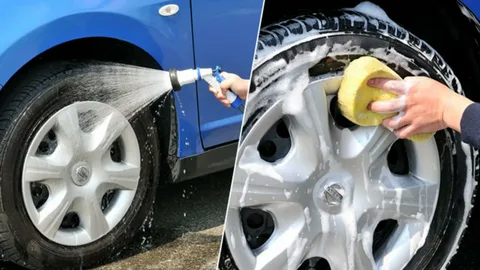
Keeping your car tires clean is an essential part of proper vehicle maintenance. Clean rubber drastically improves the visual appearance of your vehicle. More importantly, spotless sidewalls allow drivers to detect dangerous cracks, physical cuts, and uneven tread wear early on. However, many car owners do not realize that common washing practices can actually shorten
Keeping your car tires clean is an essential part of proper vehicle maintenance. Clean rubber drastically improves the visual appearance of your vehicle. More importantly, spotless sidewalls allow drivers to detect dangerous cracks, physical cuts, and uneven tread wear early on.
However, many car owners do not realize that common washing practices can actually shorten the lifespan of their tires. Using improper techniques degrades the rubber compounds. This directly compromises road safety, structural integrity, and driving comfort.
Why Improper Cleaning Methods Damage Rubber Compounds
Car tires constantly battle harsh road elements like abrasive brake dust, road grime, salt, and chemical residues. While regular cleaning prevents these materials from building up, using aggressive techniques does far more harm than good.
Tires are engineered with highly specialized rubber formulas that contain natural oils and protective anti-ozonates. These chemical compounds shield the tire from environmental aging and cracking. Aggressive washing strips these vital protectants away. Over time, this causes the rubber to lose its natural elasticity, turn brittle, and harden prematurely.
Avoid Common Tire Washing Mistakes
To protect your tires from premature degradation, you must avoid several common washing habits that compromise rubber strength.
1. Applying Harsh Chemical Detergents
The most frequent mistake motorists make is applying aggressive household dish soaps, industrial degreasers, bleach, or highly acidic wheel cleaners to their tires. These chemicals are formulated to strip grease from metallic surfaces, not to interact with organic rubber structures.
The harsh ingredients aggressively break down the natural oils within the rubber compound. This chemical stripping accelerates the drying process, leaving the sidewalls highly vulnerable to visible dry rot and deep cracks.
Over time, repeated chemical exposure weakens the underlying structural casing. This structural damage increases the risk of developing sidewall bulges and experiencing sudden, dangerous blowouts at high speeds.
2. High-Pressure Jet Washing Too Close
Pressure washers are incredibly popular tools for blasting mud and grime off vehicles efficiently. However, misusing a high-powered water jet can inflict permanent physical damage on your tires.
Holding a high-pressure nozzle too close to the rubber forces intense water pressure directly into the bead area and the delicate sidewall layers. This intense force can weaken the critical seal between the rubber tire and the metallic wheel rim.
Furthermore, extreme water pressure can easily crack the rubber outer layer. It also damages delicate wheel components, such as rubber inflation valves and internal tire pressure monitoring system (TPMS) sensors.
3. Using Hard Wire Brushes for Scrubbing
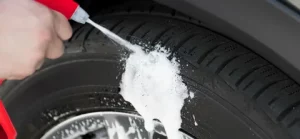
Using stiff steel wire brushes or overly abrasive scrubbing pads to remove stubborn mud is a highly destructive maintenance habit. Stiff metal bristles scratch, scrape, and tear into the rubber’s vital outer layer. This harsh physical scrubbing strips away the smooth, protective factory finish of the sidewall.
Moisture, road salt, and fine grit immediately settle into these micro-scratches. This trapped debris accelerates environmental rot deep within the rubber structure. Damaged sidewalls lose their ability to flex properly, making them highly vulnerable to deep cuts when driving under heavy loads or over road debris.
4. Washing Hot Tires Immediately After Driving
Spraying cold water and cleaning detergents onto hot tires immediately after a long drive is a mistake that many drivers overlook. Friction and constant braking generate massive amounts of internal heat within the tire structure during a trip.
If you spray freezing water onto hot rubber, you cause a violent, sudden drop in temperature. This extreme thermal shock stresses the materials, leading to immediate surface micro-cracking and a permanent loss of structural integrity.
The Correct Way to Maintain Your Tires
Maintaining your tires safely does not require expensive tools or aggressive chemicals. It simply requires a gentle, deliberate approach that preserves the rubber compound.
-
Let Them Cool: Always allow your vehicle to sit in the shade for at least thirty minutes after a drive. Ensure the tires are completely cool to the touch before introducing any water.
-
Use the Right Soap: Clean your tires using a dedicated, pH-balanced car wash shampoo or a specialized, non-acidic rubber cleaner that explicitly states it is safe for anti-ozonate layers.
-
Pick the Right Brush: Replace stiff wire brushes with a soft-bristled nylon cleaning brush or a dedicated microfiber wash mitt. This allows you to agitate stubborn road grime safely without scratching the sidewall surface.
-
Keep Your Distance: When using a pressure washer, always keep the spray nozzle at least twelve inches away from the rubber surface. Use a wide fan spray pattern rather than a concentrated, narrow jet stream.
Long-Term Benefits of Proper Maintenance
Investing a small amount of care into your tire cleaning routine yields massive long-term benefits for your vehicle. By preserving the natural oils and flexibility of the rubber compound, you ensure that your tires retain their optimal road grip during sudden braking maneuvers.
Proper maintenance directly delays the onset of sidewall cracking and dry rot, allowing you to get the maximum safe mileage out of your tread design. Most importantly, avoiding structural damage ensures that your tires remain completely reliable, keeping you and your passengers safe on every journey.