
A split system heat pump is designed to deliver efficient heating and cooling throughout the year. It is a reliable solution for maintaining indoor comfort, but its performance depends heavily on regular maintenance and correct usage. Without proper care, even the most efficient system can lose performance, consume more energy, and wear out faster than
A split system heat pump is designed to deliver efficient heating and cooling throughout the year. It is a reliable solution for maintaining indoor comfort, but its performance depends heavily on regular maintenance and correct usage. Without proper care, even the most efficient system can lose performance, consume more energy, and wear out faster than expected.
A split system heat pump works best when it is maintained consistently and not left unchecked for long periods. Regular cleaning, inspection, and smart usage habits can significantly extend its lifespan and keep it running efficiently in all seasons.
Proper maintenance does not require technical skills. Most tasks are simple and can be done by homeowners, while a few require professional support once or twice a year. The following practical tips will help you get the most out of your system.
Keep Air Filters Clean and Unblocked
Air filters trap dust, dirt, and small particles from the air before it circulates through your home. Over time, these filters become clogged and restrict airflow.
When airflow is blocked, the system must work harder to maintain the desired temperature. This increases electricity usage and puts strain on internal components.
To avoid this:
- Clean reusable filters every 3 to 4 weeks during frequent use
- Replace disposable filters as recommended by the manufacturer
- Ensure filters are fully dry before reinstalling
Clean filters improve efficiency and help maintain better indoor air quality.
Keep the Outdoor Unit Free from Obstructions
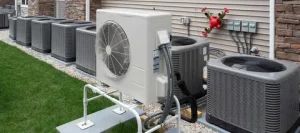
The outdoor unit is responsible for releasing and absorbing heat from the environment. If it is blocked, the system’s performance drops quickly.
To maintain proper airflow:
- Remove leaves, dust, and debris regularly
- Keep at least one meter of open space around the unit
- Avoid placing objects near the system
- Trim nearby plants or shrubs
Good airflow around the outdoor unit helps the system operate smoothly and prevents unnecessary strain.
Clean the Indoor Unit Carefully
The indoor unit distributes conditioned air into your rooms. Dust buildup on vents or surfaces can reduce airflow and affect performance.
Basic care includes:
- Wiping the outer surface with a soft cloth
- Cleaning air vents gently to remove dust
- Avoiding water sprays or harsh chemicals
Keeping the indoor unit clean also supports healthier indoor air quality.
Use Moderate Temperature Settings
Setting extreme temperatures forces the system to work harder than necessary, which increases energy consumption and wear.
To improve efficiency:
- Maintain a steady and moderate temperature
- Avoid frequent adjustments
- Use energy-saving modes when available
Stable usage reduces pressure on the system and improves long-term reliability.
Ensure Proper Airflow Indoors
Air circulation inside the home plays a major role in system efficiency. Blocked airflow leads to uneven cooling or heating.
To improve circulation:
- Keep furniture away from air vents
- Avoid blocking airflow with curtains or large objects
- Close doors and windows while operating the system
Good airflow helps maintain consistent room temperature with less effort.
Schedule Annual Professional Servicing
Even with regular cleaning, professional servicing is essential for long-term performance. Technicians can check internal parts that are not accessible to homeowners.
A yearly service usually includes:
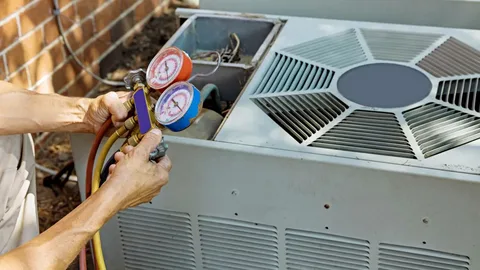
- Checking refrigerant levels
- Cleaning internal coils
- Inspecting electrical connections
- Testing overall system performance
Regular servicing helps detect small issues before they become major repairs.
Watch for Early Warning Signs
A well-maintained system runs quietly and efficiently. Any sudden change may indicate a problem.
Common warning signs include:
- Weak airflow from vents
- Strange noises such as buzzing or rattling
- Uneven room temperature
- Increased electricity bills
Addressing these issues early helps prevent costly breakdowns.
Avoid Overusing the System
Running the system continuously without breaks can reduce its lifespan over time.
To reduce strain:
- Turn off the system when not needed
- Use curtains or blinds to reduce heat from sunlight
- Improve home insulation to maintain temperature longer
These small habits reduce workload and improve efficiency.
Maintain Electrical Stability
A stable power supply is important for safe and efficient operation. Electrical issues can damage internal components.
To protect the system:
- Avoid overloading circuits
- Ensure stable wiring connections
- Call a technician if power fluctuations occur frequently
Proper electrical conditions support consistent performance.
Adjust Usage Based on Seasons
Seasonal changes affect how the system should be used for best efficiency.
For example:
- Use moderate cooling in summer instead of extreme settings
- Avoid overheating rooms in winter
- Use timers to control operation
Seasonal adjustments reduce energy use and improve comfort.
Conclusion
Maintaining a split heat pump system is simple but highly important for long-term performance. Regular cleaning, proper usage habits, and annual servicing all contribute to better efficiency and longer lifespan.
With consistent care, homeowners can enjoy reliable heating and cooling while reducing energy costs and avoiding unnecessary repairs.
For a split heat pump system to function well over time, maintenance is easy yet crucial. Better efficiency and a longer lifespan are a result of routine cleaning, good usage practices, and yearly maintenance.
Homeowners can enjoy dependable heating and cooling, lower energy bills, and prevent needless repairs with regular maintenance.