
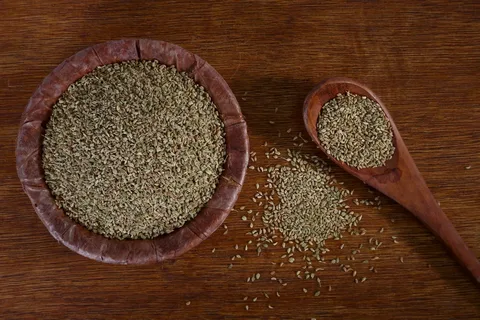
The global spice trade is a complex system. It handles high volumes of goods. It also depends on changing global needs. Carom seeds fit right into this massive trade network. In India, people often call them Ajwain. These seeds have a special and highly profitable spot in the market. They have a strong smell and
The global spice trade is a complex system. It handles high volumes of goods. It also depends on changing global needs. Carom seeds fit right into this massive trade network. In India, people often call them Ajwain. These seeds have a special and highly profitable spot in the market. They have a strong smell and contain a lot of thymol.
In the past, people only used them in local cooking. Now, they are a very popular item around the world. Many companies want to buy carom seeds bulk. For these buyers, knowing about the crop is vital. They must understand the farming, shipping, and money aspects. This is not just an option anymore. It is a necessary strategy to stay ahead in business.
1. The Farming Facts of Carom Seeds
To trade farm goods well, you must know how they grow. Carom is mostly a winter crop. Farmers call this the Rabi season. It grows best in dry areas. It needs well-drained soil to thrive.
The plant needs specific weather to grow right. First, it needs cool weather while the plant gets bigger. Then, it needs warm, dry weather when the seeds form. Usually, the crop is ready in 140 to 160 days. Carom plants are tough. They do not need as much water as other big crops. Because of this, the harvest is very stable.
For a buyer, this tough nature means a steady supply. Sometimes the weather changes suddenly. Even then, the carom harvest stays strong. This ensures buyers can always find the seeds they need.
2. India’s Lead Role in the Global Market
When you want to trade this spice, you must look to India. You will need to work with carom seeds exporters India. India does not just sell this spice. It leads the whole world in making it.
We can look at data from the Agricultural and Processed Food Products Export Development Authority (APEDA). APEDA data clearly shows India’s top position. India grows the vast majority of the world’s ajwain. It also controls the cross-border trade. Two main states grow this spice. They are Rajasthan and Gujarat. These states are the heart of the farming area. Together, they grow about 80% to 85% of India’s total crop.
Main Indian Growing Areas:
- Rajasthan: Grows about 55% to 60%. The dry weather is perfect. It creates seeds with a very strong, premium smell.
- Gujarat: Grows about 20% to 25%. This state has great farming tools. It is known for early harvests.
- Madhya Pradesh: Grows about 10% to 15%. This is a newer growing area. Farmers here focus heavily on organic methods.
3. Quality Rules for Large Orders :buy carom seeds bulk
Quality is the most important thing. In global spice trading, you cannot just guess if a spice is good. You must use strict rules. For large buyers, the true value of carom seeds comes from their oil. This is specifically the thymol oil content. This oil controls the smell. It also controls how well it works for health uses. Ultimately, the oil level directly changes the import carom seeds price.
Buyers must set strict rules when they sign contracts. Here are the main signs of good quality:
- Purity Levels: Export shipments need 99% purity. Sellers use special color-sorting machines to remove bad seeds and dirt.
- Moisture Limits: Moisture must stay between 9% and 10%. This stops mold from growing during long sea trips.
- Oil Content: The best batches have a volatile oil level of 2.5% to 5.0%.
- Extra Matter: Dirt or other plant parts must be less than 1%.
4. Many Uses Across Different Industries
Carom seeds have many different uses. Because of this, their sales stay strong even if one industry slows down. Cooking is the oldest use. Food makers use the seeds for flavor. They also use them to keep packaged foods fresh. But looking at the wider market shows even more value.
The Food and Agriculture Organization (FAO) shares important data. FAO reports that the trade of minor spices is growing fast. This is because health and medicine companies want them more. Carom seeds fit perfectly here. They have high levels of thymol. This makes them very useful for medicine. Companies use them to make cough syrups. They also make stomach aids and cleaning liquids.
Also, factories take out Ajwain essential oil. They sell this oil to makeup and perfume makers. This wide range of uses is great for sellers. It lets them sell to many different types of B2B buyers at once.
5. Moving the Product: Supply Chains
Buying large amounts from India takes a good plan. You must understand the local supply network. Moving the seeds from the farm to the ship has many steps. The main trading spots are called Mandis. The biggest ones are in Unjha (Gujarat) and Ramganj Mandi (Rajasthan). These are large markets. Here, buyers collect the crops after the harvest.
Global buyers must find the right partners. They need to work with established buy carom seeds bulk. These suppliers should have their own cleaning and sorting machines. This helps avoid delays.
Packing the seeds is just as important. Good packing keeps the seeds safe and clean. Sellers mostly ship large orders in 25 kg or 50 kg bags. These are made of thick paper or strong plastic. These bags stop the thymol from escaping. They also keep ocean moisture out during the long boat ride.
6. Who is Buying? Global Demand Shifts
Who is buying all these carom seeds? In the past, the buyers were mostly in places with many South Asian people. This meant mostly the Middle East and the United Kingdom. Today, the buyer group is much larger.
North America is now a huge market. It is growing very fast. They buy tons of seeds for their ethnic food factories. They also use them for natural health pills. Also, countries in Southeast Asia buy a lot of raw ajwain. They use it to make their own local medicines.
You can look at global shipping records to see this. The amount shipped goes up steadily every year. This proves that minor spices are becoming a much bigger part of world farm trade.
7. The Future of Safe Spice Trading
The future of the carom seeds B2B trade depends on safe and clear farming. Today, buyers want to know exactly where their food comes from. Lawmakers also want strict safety rules. This is very true in the European Union and the United States. They have strict limits on bug sprays.
Because of this, smart Indian sellers are changing how they work. They are using contract farming. This means they work directly with the farmers. They tell the farmers to use fewer chemicals. They push for natural, organic farming. This helps the large shipments pass safety checks in other countries.
Soon, sellers will also use tracking technology. This will follow the seeds from the farm to the port. Using safe farming will change the market. It will clearly separate the best sellers from the average traders.