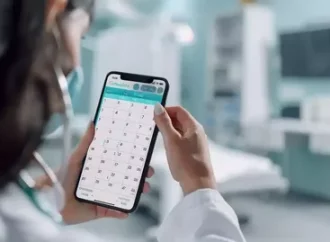
The transition from physical paper files to digital health records was supposed to make healthcare simpler. However, many providers now feel more buried in data than ever before. For a modern clinic, the challenge is no longer about finding a place to store dusty folders. Instead, the focus has shifted toward ensuring that thousands of
The transition from physical paper files to digital health records was supposed to make healthcare simpler. However, many providers now feel more buried in data than ever before. For a modern clinic, the challenge is no longer about finding a place to store dusty folders. Instead, the focus has shifted toward ensuring that thousands of digital entries remain accurate, organized, and accessible. In 2026, the secret to staying ahead of this data avalanche is the integration of a Healthcare Virtual Assistant (HVA). This remote professional specializes in the “sanitation” and organization of the Electronic Health Record (EHR). For students in the United States, this role represents the future of medical administration. It is a career where high-tech data management meets high-touch patient advocacy. By moving the heavy lifting of record management to a virtual workspace, clinics can ensure that a patient’s medical history tells a clear story rather than appearing as a confusing digital mess.
The Digital Junkyard: Why Records Get Messy
Without constant maintenance, an EHR can quickly become a “digital junkyard.” It fills up with duplicate entries, missing labs, and unfiled notes. This disorganization is not just an annoying administrative hurdle. It creates a dangerous environment where critical health information might be overlooked during a medical crisis. When a doctor cannot find a patient’s recent allergy update or a specific cardiac report, the quality of care suffers. Virtual assistants act as the first line of defense against this chaos. They audit the system daily to ensure that every piece of information sits exactly where it belongs.
Data Normalization: The Art of Consistency
Different hospitals and laboratories often use different codes or abbreviations for the same procedures. This inconsistency leads to massive confusion when files move between institutions. Virtual assistants specialize in “normalizing” this data. They ensure that every record follows a consistent and searchable format for the entire care team. For example, if one lab labels a test “CBC” and another calls it a “Complete Blood Count,” the assistant merges these under a single, unified tag. This standardization makes the EHR a powerful tool rather than a fragmented puzzle.
Real-Time Charting for Maximum Accuracy
A medical record is only as good as the information put into it. Unfortunately, details often get lost when doctors wait until the end of a long shift to finish their notes. Virtual assistants solve this problem by joining patient visits via secure audio links. They document the encounter in real-time. This captures every nuance while the conversation is still fresh. Because the assistant handles the typing, the physician can maintain eye contact with the patient. This technology-driven approach restores the human connection to the exam room while ensuring the clinical notes are 100% accurate.
Solving the “Missing Lab” Mystery
Few things frustrate a doctor more than walking into an exam room only to find that the patient’s recent bloodwork is missing. This delay wastes time and forces patients to return for follow-up visits. Remote staff act as proactive digital gatekeepers. They track down missing results from external labs and file them correctly before the patient even arrives. This ensures that every consultation is productive. When the doctor opens the chart, the data they need is already waiting for them.
Streamlining Pharmacy and Refill Workflows
Medication refills and pharmacy queries can consume hours of a clinic’s time every day. If managed poorly, these requests create a massive backlog. Virtual assistants organize this workflow by verifying dosages and checking the patient’s prescription history. They prepare the request so the doctor can review and approve it with a single click. This efficiency ensures that patients receive their life-saving medications without unnecessary delays.
Protecting Privacy in the Virtual Vault
Managing records efficiently also means managing them securely. Every HVA must follow strict HIPAA-compliant protocols to prevent data breaches. These professionals use encrypted tunnels and multi-factor authentication to access the clinic’s server. They ensure that “efficient” never comes at the cost of “private.” In an era of increasing cyber threats, having a dedicated professional focused on data security adds an extra layer of protection for the clinic and its patients.
Organizing the History of Present Illness (HPI)
The HPI is the core of the medical record. It details the patient’s current struggle and their journey toward a diagnosis. Virtual assistants help structure these narratives to ensure they are clear and concise. They transform rambling notes into a perfect “roadmap” of the patient’s health. This allows the next provider who reads the file to understand the case history in seconds. Clear storytelling in medical records leads to better outcomes and fewer diagnostic errors.
Bridging the Language Gap in Clinical Data
In our diverse society, a patient’s records might include notes from providers who speak different languages. This can lead to significant gaps in clinical understanding. This is where the expertise of a Spanish virtual assistant becomes invaluable. These specialists accurately translate and summarize Spanish-language records into the primary English EHR system.
For a student entering this field, this role proves that managing records is about more than just typing. It is about ensuring that a patient’s entire history is understood and respected, regardless of the language used originally. By providing these linguistic bridges, virtual assistants make the medical record a complete and inclusive document. This specialized support allows clinics to serve their community with a level of precision that a purely English-speaking team might struggle to achieve.
Reducing “Note Fatigue” and Physician Burnout
Writing detailed clinical notes is a leading cause of physician burnout. Many doctors spend several hours after the clinic has closed just catching up on paperwork. By delegating this task to a remote professional, doctors can reclaim their evenings. This reduction in “note fatigue” allows providers to return to work with more energy and focus. When a doctor is not exhausted by administrative tasks, they provide better care and experience higher job satisfaction.
The Role of AI in Record Sorting
Modern virtual assistants use AI-powered tools to help flag potential errors or conflicting data points. For instance, an AI might flag a drug interaction that was accidentally entered into the system. This “human-in-the-loop” model is the gold standard for 2026. Technology does the initial sorting and flagging, while the human assistant provides the final layer of clinical common sense. This partnership creates a highly reliable and error-free medical record.
Preparing Students for a Data-Driven Career
For American students, the ability to manage complex digital information is one of the most transferable skills in the current job market. You are learning to be a “data architect.” This role will only become more essential as healthcare continues its digital evolution. Mastering EHR management prepares you for high-level administrative roles, healthcare consulting, and clinical informatics. You are not just supporting a doctor; you are building the infrastructure of modern medicine.
Conclusion: Reclaiming the Human Story
Ultimately, a medical record is not just a collection of data points. It is the story of a person’s life and their fight for wellness. By managing these records with care, virtual assistants ensure that the human story is never lost in a sea of disorganized pixels. As we look toward 2027, the process of record management will become even more fluid. Systems will become more interconnected, and data will follow patients seamlessly.
Managing medical records efficiently is the foundation of a safe, successful, and modern healthcare practice. By leveraging the power of virtual assistants to clean up the digital mess, we are building a medical system that is faster and more reliable. For students and providers alike, this digital organization is the definitive path toward a more professional and restorative future.