
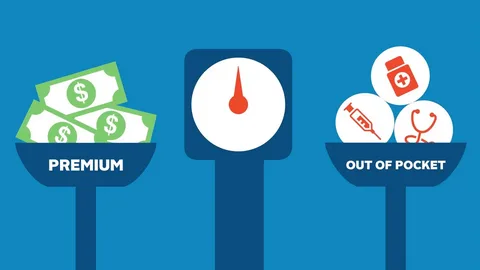
Choosing the right health insurance plan can be a daunting task, especially if you are paying the full premium out of your own pocket. With a myriad of Health Insurance Plans available in the market, selecting the one that best suits your needs requires careful analysis of your financial situation, medical requirements, and the features
Choosing the right health insurance plan can be a daunting task, especially if you are paying the full premium out of your own pocket. With a myriad of Health Insurance Plans available in the market, selecting the one that best suits your needs requires careful analysis of your financial situation, medical requirements, and the features of various policies. This guide aims to provide a comprehensive overview of how to choose health insurance when you’re footing the bill entirely on your own.
Understanding Health Insurance Plans
Health Insurance Plans are designed to provide financial protection against medical expenses, ensuring policyholders can access quality healthcare without worrying about exorbitant costs. These plans cover a range of services, including hospitalization expenses, pre- and post-hospitalization charges, diagnostics, treatment costs, and sometimes even preventive care services.
Before diving into how to choose a plan, it’s important to understand some basic categories of Health Insurance Plans:
-
Individual Health Insurance Plans: These policies are designed to cover a single person and provide coverage for hospitalization, surgeries, medicines, and other medical expenses.
-
Family Floater Plans: If you want coverage for multiple family members under a single policy, family floater plans might be ideal. The sum insured can be shared among all the insured members.
-
Critical Illness Plans: These are tailored for those seeking coverage for specific life-threatening illnesses such as cancer, heart disease, or kidney failure. They usually provide a lump sum payout upon diagnosis.
-
Senior Citizen Health Insurance Plans: These policies are targeted at individuals above a certain age (often 60), providing coverage for age-related health issues and surgeries.
-
Mediclaim Policy: A subset of health insurance, mediclaim policies specifically cover hospitalization-related expenses, including room charges, medical consultations, and treatment costs.
Understanding these basic types is crucial in determining what plan aligns with your needs.
Key Factors to Consider Before Choosing a Plan
When paying for health insurance out of your own pocket, you want to make the most of your investment while ensuring you have adequate coverage for unforeseen health emergencies. Here are some key factors to consider:
-
Sum Insured The sum insured is the maximum amount the insurance company will cover during the policy period. Assess your current health situation and consider your future medical needs before deciding on the sum insured. Opting for a higher sum insured may increase premiums, but it ensures better financial protection.
-
Premium Amount When budgeting for health insurance, the premium is one of the primary considerations. Choose a policy that offers adequate coverage at a premium you can consistently afford without compromising on other essentials. Compare plans to find options offering optimal benefits and competitive premiums.
-
Coverage Benefits Analyze the coverage benefits a plan offers. Good Health Insurance Plans cover a range of expenses, including:
-
Hospitalization (inpatient care)
-
Pre- and post-hospitalization expenses
-
Ambulance charges
-
Daycare procedures (surgeries requiring less than 24 hours of hospitalization)
-
Annual health check-ups
-
Domiciliary treatments

Ensure the plan aligns with your specific requirements, such as maternity benefits, coverage for chronic diseases, or outpatient services.
-
Policy Exclusions Read the fine print carefully to understand what the policy excludes. For instance, many plans may not cover pre-existing conditions during the initial waiting period or certain lifestyle-related illnesses. Make sure you are fully aware of any limitations.
-
Waiting Period for Pre-Existing Conditions If you have a pre-existing medical condition, check the waiting period associated with the policy. Waiting periods can range from 12 months to four years, depending on the insurer. Choose a plan with a shorter waiting period if pre-existing conditions are a concern.
-
Network Hospitals Most insurers have tie-ups with certain hospitals where policyholders can avail of cashless treatment. Make sure the health insurance plan includes network hospitals in convenient locations near your home or workplace. A broad hospital network ensures better access to quality care when needed.
-
Claim Settlement Process The claim settlement process should be simple and hassle-free. Check the insurer’s claim settlement ratio (the percentage of claims settled successfully) as a reliable indicator of their service quality. Choose an insurer with a strong record of processing claims efficiently.
-
Lifetime Renewability Health insurance plans often come with a renewal clause, and having lifetime renewability is crucial. It ensures you can continue accessing coverage even as you age and face potential health risks.
-
Additional Riders Many health insurance policies offer riders or add-ons for enhanced protection. These can include:
-
Room rent waiver
-
Cover for alternative treatments (e.g., Ayurveda or Homeopathy)
-
Accidental disability benefit Evaluate these add-ons to customize your coverage based on your personal needs.
Comparing Individual Mediclaim Policies
Although every basic mediclaim policy primarily focuses on hospitalization expenses, comparing various mediclaim options can help identify the most suitable one. Check for coverage inclusions, exclusions, and premium eligibility, and assess whether a mediclaim policy aligns with your annual healthcare spending patterns. This type of policy is generally more straightforward and provides necessary coverage for emergencies.
Tips for Making an Informed Decision
Here are some actionable tips to help you choose the best health insurance plan:
-
Assess Your Needs Start by evaluating your medical history, current health status, and expected healthcare requirements. For instance, if you are fit and healthy, a basic plan with a moderate sum insured may suffice. However, if you have pre-existing conditions or are prone to illnesses, opt for a comprehensive policy with additional riders.
-
Check Online Reviews While it is tempting to rely entirely on advertisements, checking reviews from other policyholders can offer insights into real-life experiences with the insurer’s services, including their customer support, claim settlement process, and responsiveness.
-
Compare Plans Rather than settling for the first plan you come across, compare multiple Health Insurance Plans side by side. Use parameters like premium costs, coverage benefits, exclusions, and sum insured limits to find plans that offer value for money.
-
Don’t Focus Solely on Premiums While affordability is key, the cheapest health insurance plan isn’t necessarily the best. Often, lower premiums equate to reduced coverage, higher co-payments, or restrictive exclusions. Strike a balance between affordability and comprehensive coverage.
-
Seek Expert Advice If the choices seem overwhelming, consulting an independent insurance advisor can help simplify your decision-making process. They can provide recommendations tailored to your specific circumstances.
-
Consider Tax Benefits Paying for a health insurance plan out of your own pocket may qualify you for tax benefits under Section 80D of the Income Tax Act (in India). Though tax savings should not be the sole criterion for buying insurance, it’s a helpful incentive that can reduce your financial burden.
Staying Proactive and Updated
Health insurance is not a one-time decision. As your life circumstances evolve (marriage, parenthood, increasing income, etc.), your healthcare needs may also change. Periodically review your policy to ensure it continues meeting your requirements. Additionally, stay updated with changes in the health insurance industry, such as new plans, regulatory updates, or innovative features.
Final Thoughts
Health insurance is an essential financial tool that offers peace of mind and protection during medical emergencies. If you are paying fully on your own, choosing the right plan requires thorough research, careful comparison, and a clear understanding of your unique healthcare needs. By focusing on important aspects like coverage benefits, premium affordability, claim settlement efficiency, and policy exclusions, you can make an informed decision using the right Health Insurance Plans.
Remember, prioritizing your health and financial security is an investment in your well-being. Make sure to choose a standalone mediclaim policy or comprehensive plan that gives you confidence and access to quality care when you need it most.