
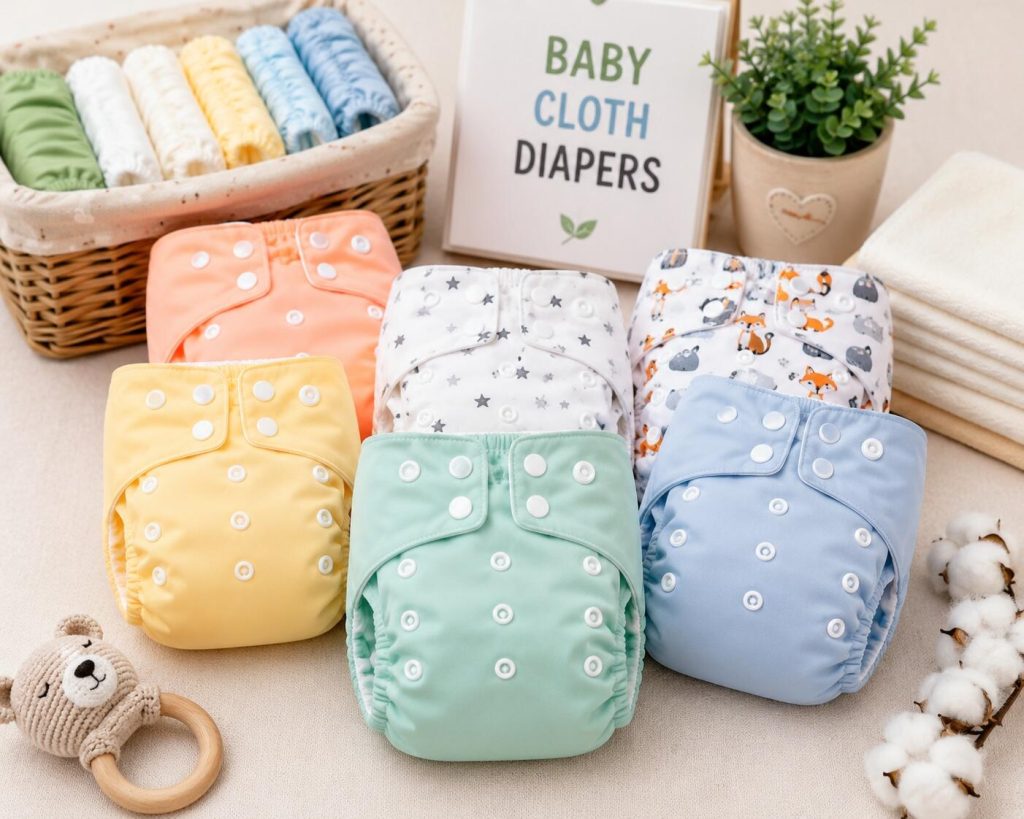
Parents today are becoming much more conscious about the products they select for their babies. Among the many modern parenting choices available, baby cloth diapers have gained significant popularity. This shift comes down to their superior comfort, long-term cost-effectiveness, and incredible environmental benefits. Unlike traditional disposable options, cloth diapers are completely reusable. Manufacturers design them
Parents today are becoming much more conscious about the products they select for their babies. Among the many modern parenting choices available, baby cloth diapers have gained significant popularity. This shift comes down to their superior comfort, long-term cost-effectiveness, and incredible environmental benefits. Unlike traditional disposable options, cloth diapers are completely reusable. Manufacturers design them to provide a soft, gentle experience for vulnerable skin while helping families drastically reduce household waste.
If you are considering switching to reusable alternatives, you might feel a bit overwhelmed by the options. This comprehensive guide covers everything you need to know to make the transition smooth. We will explore the core benefits, the different styles available, and practical care tips for everyday use.
What Are Modern Baby Cloth Diapers?
Baby cloth diapers are reusable diapering systems made from highly absorbent, natural or synthetic fabrics. Manufacturers frequently use premium cotton, sustainable bamboo, durable hemp, or quick-drying microfiber. These fabrics are carefully layered to absorb moisture rapidly while keeping a baby’s skin comfortable and dry.
Modern cloth designs come equipped with highly adjustable features. This makes them incredibly easy to use. It also ensures they remain suitable for growing babies of different ages and sizes. You can forget about the traditional cloth diapers of the past that required sharp safety pins and crinkly plastic covers. Today’s innovative designs are exceptionally convenient, highly secure, and incredibly user-friendly.
The Core Benefits of Making the Switch
1. Gentle on Sensitive Skin
One of the biggest advantages of choosing cloth is the sheer softness of the material. Natural fabrics allow much better airflow across your baby’s bottom. This breathability actively reduces the chances of irritation, painful redness, and stubborn diaper rash. Babies who suffer from sensitive skin or eczema often benefit immediately from these breathable materials.
2. Environmentally Conscious
Disposable diapers contribute significantly to global landfill waste every single year. Because you can wash and reuse cloth diapers multiple times, they drastically minimize your family’s environmental footprint. Making the switch actively supports a more sustainable, eco-friendly lifestyle.
3. Highly Cost-Effective
The initial investment for a cloth stash may seem higher upfront. However, cloth diapers save families a substantial amount of money over time. A single set of high-quality reusable diapers can last for years. With proper care, you can even use the exact same stash for multiple children.
4. Custom Adjustability
Most modern cloth diapers feature rows of durable snaps or hook-and-loop closures. These fasteners allow parents to customize the fit precisely as their baby grows. A single diaper can easily adjust from the infant stage all the way through toddlerhood.
Understanding the Common Styles
Navigating the different types of cloth diapers is simpler than it looks. Here is a breakdown of the styles you will encounter.
-
Prefold Diapers: These are rectangular pieces of absorbent fabric that are already folded into thick layers down the middle. They require a separate waterproof diaper cover. They represent one of the most affordable cloth diapering options on the market.
-
Flat Diapers: This style consists of a large, single layer of fabric that you can fold in several different ways. They dry incredibly fast on the clothesline and are very easy to wash thoroughly. This makes them a practical choice for minimalistic families.
-
Fitted Diapers: These are shaped exactly like disposable diapers but are made entirely from absorbent cloth. They feature elastic legs and waistbands. They typically require a separate waterproof cover but provide excellent, full-coverage absorbency.
-
Pocket Diapers: This incredibly popular style features an outer waterproof layer and a stay-dry inner pocket. Parents place absorbent inserts directly inside the pocket. You can easily customize the absorbency by adding or removing inserts depending on your baby’s needs.
-
All-in-One (AIO) Diapers: These diapers combine the absorbent inner layers and the waterproof outer protection into a single, unified piece. They are exceptionally convenient and simple to use. This makes them a massive hit among beginners and daycare providers.
-
All-in-Two (AI2) Diapers: These systems consist of a reusable, waterproof outer shell and removable absorbent inserts that snap into place. This clever design allows parents to simply replace the wet insert and reuse the outer shell if it remains clean.
How to Choose the Perfect Fit
First, you need to consider your baby’s current age. Newborns have vastly different diapering needs compared to older, more active babies. Some cloth brands offer specialized newborn sizes, while others feature one-size-fits-all designs that adjust as your baby grows.
Second, evaluate your baby’s specific absorbency needs. Babies who sleep for long stretches or are heavy wetters require materials with higher retention. Heavy wetters benefit greatly from bamboo and hemp inserts, which are preferred for overnight use.
Third, check the overall ease of use. If you have multiple caregivers or relatives watching your child, you want a straightforward system. All-in-one diapers are generally the most straightforward option for beginners who want a disposable-like experience.
A Simple Guide to Everyday Use
Using cloth diapers is much easier than many new parents expect. You can master the routine in just a few quick steps.
First, select a clean diaper and stuff the pocket with an insert if your system requires it. Second, place the prepared diaper smoothly under your baby. Third, fasten the diaper securely using the built-in snaps or hook-and-loop closures.
Always ensure a snug fit around the legs and waist. The elastic should seal gently without being too tight against the skin. Finally, change the diaper regularly to maintain excellent hygiene and comfort.
Washing and Caring for Your Stash
Proper care helps extend the lifespan of your cloth diapers significantly. It also keeps them smelling fresh and completely hygienic.
Step 1: Remove Waste
Always dispose of solid waste directly into the toilet. You can use a handy toilet shield or a diaper sprayer attached to your plumbing to make this step incredibly quick.
Step 2: Store Safely
Place the used diapers directly into a dry diaper pail or a zippered wet bag. Keep them stored there until your designated laundry day arrives.
Step 3: The Pre-Rinse
Run a short, cold rinse cycle in your washing machine first. This step removes excess waste and prevents stubborn stains from setting into the fabric fibers.
Step 4: The Main Wash
Wash the diapers thoroughly on a hot cycle using a baby-safe, residue-free detergent. Always avoid fabric softeners, because they leave a coating that drastically reduces fabric absorbency.
Step 5: Dry Completely
Line drying in the sun is an excellent option because sunlight acts as a natural bleach and sanitizer. However, many modern cloth diapers can also go into the machine dryer on a low heat setting.
Debunking Common Cloth Diaper Myths
Many parents hesitate to try cloth because of outdated misinformation. Let us clear up a few common myths.
A common misconception is that cloth diapers are incredibly difficult to use. In reality, modern designs are built for ultimate convenience. They are often just as easy to put on as a standard disposable.
Another myth is that cloth options cause frequent leaks. When you achieve the correct fit and change the diaper regularly, cloth provides exceptional leak protection.
People also worry that the washing routine is overly complicated. A basic, consistent two-cycle washing routine is usually all it takes to keep your stash clean.
Finally, do not believe the myth that cloth diapering is old-fashioned. Today’s options feature trendy prints, cutting-edge fabrics, and highly functional designs that fit perfectly into contemporary parenting lifestyles.
Tips for Long-Term Success
It is incredibly wise to start with a small, diverse collection before investing heavily in a massive stash. This trial period allows you to figure out which style works best for your baby’s body shape.
Always change diapers every two to three hours during the day to keep your baby completely comfortable. Be sure to mix and match your inserts to find the right combination for daytime playtime and heavy nighttime sleep.
Consistency is key, so stick to your recommended washing routines to avoid product buildup. Lastly, always keep a few extra stuffed diapers packed in a wet bag when traveling or running errands.
Joining the Reusable Movement
Growing awareness of environmental sustainability, massive cost savings, and infant comfort continues to drive this movement. Parents love having absolute control over the materials that touch their baby’s delicate skin. They also appreciate watching their weekly household trash production shrink dramatically.
Many families discover that cloth diapering becomes second nature with just a little bit of regular practice. The process fits seamlessly into their daily household routines.
Ultimately, baby cloth diapers offer a practical, comfortable, and eco-friendly alternative to mainstream disposables. With so many versatile styles and premium materials available, every family can find a tailored solution. By understanding the mechanics of cloth and practicing proper care, you can protect both your baby’s health and the planet. For parents exploring these reusable diapering solutions, trusted providers like Kiids Kingdom offer premium options designed to support comfort, convenience, and everyday use.