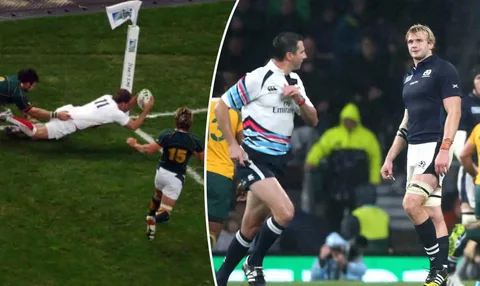
Football is often decided by moments of brilliance. However, in World Cup 2026, refereeing decisions have become just as influential as goals and tactics. While fans expected smoother officiating with advanced technology, several matches have instead sparked intense debate. From disputed penalties to tight VAR calls, the biggest refereeing controversies have dominated headlines. Every decision
Football is often decided by moments of brilliance. However, in World Cup 2026, refereeing decisions have become just as influential as goals and tactics. While fans expected smoother officiating with advanced technology, several matches have instead sparked intense debate.
From disputed penalties to tight VAR calls, the biggest refereeing controversies have dominated headlines. Every decision is now analyzed within seconds, and opinions spread instantly across social media. As a result, referees are under more pressure than ever before.
Why Refereeing Controversies Matter So Much
Refereeing decisions can completely change the direction of a match. A single penalty, a red card, or a disallowed goal can decide whether a team advances or gets eliminated. At the World Cup level, the stakes are even higher. Millions of fans watch every match, and every call is scrutinized from multiple camera angles. Because of this, even small mistakes become global talking points.
FIFA has introduced VAR and other technologies to reduce human error. However, controversy still exists because football is not always black and white. Many decisions still rely on interpretation, not just technology.
VAR-Related Controversies at World Cup 2026
Another problem involves marginal offsides. Goals have been ruled out due to extremely small offside margins detected by technology. While these calls are technically correct, many argue they go against the natural flow of the game. As a result, VAR has become both a solution and a source of controversy.
Penalty Decisions That Sparked Debate
Penalty decisions have played a major role in the biggest refereeing controversies of the tournament. In some matches, referees quickly awarded penalties after reviewing incidents. In others, similar contact inside the box was completely overlooked. This lack of consistency has led to frustration among teams and supporters.
Coaches have often argued that unclear penalty standards are affecting match fairness. Meanwhile, referees defend their decisions by pointing to different angles and interpretations. These disagreements highlight how subjective football can still be, even with technology support.
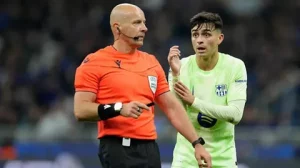
Red Cards and Game-Changing Decisions
Red cards have also created major talking points during World Cup 2026. Several players were sent off for challenges that appeared borderline on replay. In some cases, fans believed yellow cards would have been more appropriate. However, referees saw the incidents differently, leading to immediate dismissals.
These decisions often changed the flow of matches completely. Teams playing with ten men had to adjust their strategies quickly, which sometimes led to heavy defeats. Because of this, red card decisions remain one of the most debated aspects of refereeing in the tournament.
The Biggest Complaint from Fans and Teams
One of the most common criticisms during World Cup 2026 is inconsistency in officiating. Fans have noticed that similar fouls receive different punishments depending on the match or referee. This creates confusion and reduces trust in the system.
Players and coaches have also spoken out after matches, questioning why identical situations lead to different outcomes. This inconsistency has become a key aspect of the refereeing discussion. Even with VAR assistance, human interpretation still plays a major role, which explains these differences.
How Players and Coaches React
Emotions run high after controversial decisions. Players often react immediately on the pitch, expressing frustration or disbelief. Coaches, on the other hand, usually address refereeing decisions during post-match interviews. Many have publicly criticized key calls, especially when they believe results were directly affected.
These reactions quickly spread across media platforms, fueling further debate. As a result, refereeing controversies often remain in the spotlight long after the final whistle. At the same time, FIFA continues to support its officials and emphasizes that mistakes are part of the game, even with technology in place.
Technology’s Role in Modern Officiating
Technology has changed football significantly, but it has not removed controversy. VAR has assisted in rectifying clear mistakes like offside goals, overlooked penalties, and identity errors. This has enhanced equity in numerous circumstances.
However, it has also introduced delays and debates over interpretation. Even with multiple camera angles, some decisions still depend on subjective judgment. Semi-automated offside technology has improved accuracy and speed. Nonetheless, fans occasionally wonder if millimeter-level choices are essential in such a rapid sport. Ultimately, technology supports referees, but it does not replace human decision-making.
Fan Reactions and Social Media Impact
Social media has amplified every refereeing controversy during World Cup 2026. Within minutes of a questionable decision, clips and opinions spread worldwide. Fans from different countries analyze the same incident and often arrive at completely different conclusions.
Hashtags trend instantly, and debates continue for hours or even days. This constant online discussion has made refereeing decisions more visible and more heavily criticized than ever before. As a result, referees now face pressure not just inside the stadium but also across global digital platforms.
Can FIFA Reduce Future Controversies?
FIFA continues to review officiating standards after every major tournament. Several improvements are being discussed for the future.
These include clearer VAR communication protocols, better referee training, and faster decision-making systems. Some experts also suggest allowing referees to explain key decisions publicly after matches. While these ideas may improve transparency, completely eliminating controversy is unlikely. Football will always involve interpretation, emotion, and split-second judgment.
Conclusion
The biggest refereeing controversies have become a defining storyline of World Cup 2026. Even with advanced technology, football continues to produce moments that divide opinion. VAR, red cards, and penalty decisions have all played major roles in shaping matches. While some calls have improved fairness, others have sparked frustration and debate.
In the end, these controversies highlight an important truth: football is not only about precision and rules. It is also about human judgment, emotion, and unpredictability. And that is exactly why the sport continues to captivate millions around the world.