
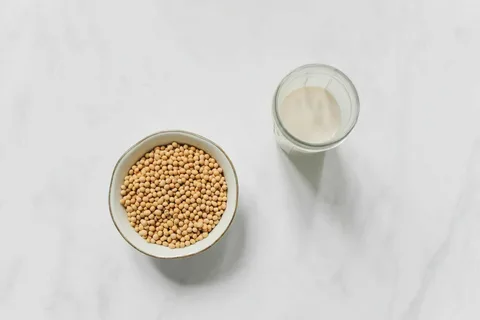
Soy milk has officially transformed from a niche health food into a mainstream global phenomenon. Consumers worldwide now view this plant-based drink as an excellent alternative to traditional dairy products. To create this beverage, manufacturers soak, grind, and filter whole soybeans. This simple process yields a highly nutritious liquid that fits perfectly into modern diets.
Soy milk has officially transformed from a niche health food into a mainstream global phenomenon. Consumers worldwide now view this plant-based drink as an excellent alternative to traditional dairy products. To create this beverage, manufacturers soak, grind, and filter whole soybeans. This simple process yields a highly nutritious liquid that fits perfectly into modern diets. Today, the drink plays a vital role in retail markets and food processing industries alike.
According to a comprehensive sector study by MarkNtel Advisors, the global soy milk market is experiencing steady structural expansion. This upward trajectory reflects massive shifts in global eating habits. Additionally, major international organizations like the Food and Agriculture Organization (FAO) actively praise legumes. They note that soy products significantly improve global food security. As health awareness spreads across both developed and emerging economies, this dairy substitute continues to secure a permanent place in the modern kitchen.
The Shifting Paradigm of Consumer Nutrition
Dietary preferences are undergoing a massive transformation across the globe. Millions of shoppers are actively replacing cow’s milk with plant-based alternatives. Shoppers choose soy milk because it delivers a rich protein profile. It contains essential amino acids that human bodies need to thrive. Therefore, it stands as a nutritionally competitive option against dairy.
Biological factors also accelerate this market shift. Millions of adults suffer from lactose intolerance or severe milk allergies. These individuals experience digestive discomfort from traditional dairy. Consequently, they choose lactose-free soy beverages to safeguard their well-being. The World Health Organization (WHO) supports this consumer behavior. They emphasize the great value of diversified diets that incorporate plant-based proteins. Eating these foods regularly helps reduce the risk of chronic health conditions.
Furthermore, modern retail networks have drastically improved product availability. In the past, shoppers could only find dairy alternatives in specialized health food shops. Today, major supermarkets and hypermarkets dedicate massive aisle space to plant-based items. Online grocery platforms also allow buyers to purchase favorite brands with a single click. This digital expansion expands product visibility in urban and suburban neighborhoods. Younger generations especially appreciate this shopping convenience. They can easily compare prices, read nutrition labels, and try new varieties from home.
Innovation Drives the Functional Beverage Market
Soy milk no longer remains limited to standard household cereal bowls. Instead, the global food and beverage industry utilizes it as a foundational ingredient. Commercial bakeries use it to create vegan pastries. Dairy-free dessert brands rely on it to manufacture rich ice creams and creamy puddings.
Market research from MarkNtel Advisors highlights that diversification drives the industry forward. Savvy manufacturers are currently launching clean-label formulations. These products completely avoid artificial additives and synthetic preservatives. Furthermore, companies mask the traditional earthy flavor of soy using advanced food technology. They introduce appealing flavors like rich chocolate, smooth vanilla, and sweet strawberry. These innovations attract picky children and flavor-seeking teenagers.
At the same time, companies fortify their drinks with critical nutrients. They inject essential vitamins like B12 and D directly into the liquid. They also add bone-strengthening calcium and zinc. This fortification process ensures that vegans receive adequate daily nutrition. In the foodservice industry, barista-style soy milk has become incredibly popular. Coffee shops require specialized milks that maintain foam stability. Advanced texturing techniques prevent the milk from curdling inside hot, acidic espresso shots. As a result, coffee lovers can enjoy perfect plant-based lattes every single day.
Health Consciousness and Modern Lifestyle Alignment
Growing public awareness regarding heart health continues to redefine the modern grocery list. Consumers actively research the link between saturated fats and cardiovascular issues. Traditional whole dairy milk contains significant levels of cholesterol. In contrast, soy milk is completely cholesterol-free. It also features a remarkably low saturated fat content. Therefore, medical professionals often recommend it to patients who want to manage their weight.
This nutritional profile perfectly supports the rise of vegan and flexitarian lifestyles. Flexitarians choose to reduce their meat and dairy intake without committing to full veganism. This dietary flexibility has become highly fashionable in bustling urban centers. The United States Department of Agriculture (USDA) officially recognizes high-quality soy protein. They include it in national dietary guidelines and public food assistance programs. This official government backing builds deep consumer trust. It encourages schools and hospitals to serve soy alternatives regularly.
Environmental Sustainability and Resource Preservation
Environmental concerns are reshaping how modern shoppers choose their food. Traditional dairy farming demands an immense amount of natural resources. Cattle raising requires vast pastures and thousands of gallons of fresh water. Moreover, dairy cows release significant amounts of greenhouse gases into the atmosphere. These emissions directly accelerate global climate change.
Soy milk production offers a much gentler path for the planet. Cultivating soybeans requires significantly less water than maintaining a dairy herd. It also utilizes land resources much more efficiently. International environmental agencies constantly advocate for these eco-friendly food systems. They believe that plant-based agriculture builds stronger global climate resilience. Environmentally conscious shoppers want their purchases to reflect their personal values. They choose soy beverages to minimize their individual carbon footprints.
Mapping Global Consumption and Future Trajectories
The Asia-Pacific region remains the historical powerhouse of soy milk consumption. Nations like China and Japan boast long-standing culinary traditions that feature soy ingredients. Consumers in these countries have incorporated soy drinks into their morning breakfast routines for centuries. Therefore, this region possesses a massive, built-in consumer base.
Meanwhile, Western markets are experiencing rapid growth. North America and Europe are witnessing an explosion in vegan lifestyle choices. Local grocery chains consistently expand their plant-based inventory to meet this surging demand. Rising disposable incomes also allow consumers in emerging markets to buy premium packaged beverages.
Looking forward, the future of the soy milk industry appears incredibly bright. Continued investments in food engineering will yield even better textures and longer shelf lives. Regulatory bodies like the European Food Safety Authority (EFSA) ensure strict quality control. They establish clear labeling standards that protect shoppers from misleading claims. These international rules maintain product safety and boost consumer confidence across global borders. Ultimately, soy milk will remain a dominant force in the global transition toward alternative proteins.