
The North American petrochemical industry continues to reinforce its dominant position across the global market. Manufacturers leverage massive natural gas resources throughout the region. They also utilize advanced processing networks to maintain a clear competitive edge. Furthermore, companies pour capital into ethane-based manufacturing facilities constantly. This financial commitment allows producers to expand their overall ethylene
The North American petrochemical industry continues to reinforce its dominant position across the global market. Manufacturers leverage massive natural gas resources throughout the region. They also utilize advanced processing networks to maintain a clear competitive edge. Furthermore, companies pour capital into ethane-based manufacturing facilities constantly. This financial commitment allows producers to expand their overall ethylene capacity dramatically. Consequently, ethane now operates as a highly strategic feedstock across the continent. This vital resource supports the production of modern plastics, specialized packaging materials, automotive components, and essential industrial items. The continent’s heavily integrated supply chain provides exceptional logistics. These robust shipping capabilities safeguard the region’s top tier position in the international chemical landscape.
Sizable Growth Fueling the Petrochemical Landscape
A comprehensive study by Vyansa Intelligence highlights this dramatic commercial trajectory. The data shows that the North American ethane market reached a valuation of USD 5.18 Billion in 2025. Furthermore, market analysts project that this sector will achieve a value of USD 8.98 Billion by 2032. This rapid expansion represents a steady compound annual growth rate of 8.18% from 2026 through 2032. Multiple factors accelerate this notable market development. Prolific shale gas harvesting yields massive quantities of raw materials daily. At the same time, regional chemical companies rapidly build new ethylene manufacturing plants. Substantial corporate investments in massive maritime export terminals also reinforce the regional supply web. These combined forces secure reliable feedstock availability for industrial buyers everywhere.
Prolific Shale Gas Output Ensures Steady Feedstock Supply
The ongoing extraction of rich natural gas liquids completely transforms the domestic energy sector. This boom positions North America as the primary ethane-producing region worldwide. Escalating natural gas drilling operations boost the volume of recovered ethane substantially. As a direct result, petrochemical plants enjoy an extraordinarily reliable supply of raw materials.
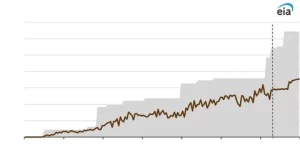
The growth of this market relies heavily on rising output from major shale basins. Expanding natural gas processing centers also fuel this upward trend. Reports from the U.S. Energy Information Administration confirm this reality. Record-breaking natural gas harvesting continuously pushes ethane production to historic heights. This dynamic satisfies domestic consumption while feeding a massive international export network. Current industry trends reveal that upstream energy companies invest heavily in production efficiency. They build large-scale fractionation plants to satisfy both domestic factories and overseas consumers.
Expanding Modern Infrastructure Across the Value Chain
Superior industrial infrastructure provides North American producers with their greatest competitive advantage. Massive steam crackers, large-scale fractionation units, cavernous storage facilities, and complex pipelines form an integrated logistics network. This physical system moves raw feedstock from remote drilling fields to massive manufacturing hubs seamlessly.
Future market forecasts indicate that companies will maintain high investment levels in these physical assets. This capital expenditure improves operational flexibility significantly. It also hardens regional supply lines against unexpected market disruptions. Furthermore, the rapid expansion of specialized cryogenic export docks opens new commercial pathways. These specialized facilities allow North American companies to ship liquid ethane to diverse international markets safely. These ongoing construction projects increase the overall reliability of the raw material. Ultimately, they support massive capacity expansions throughout the chemical value chain.
Technical Innovation Driving Operational Efficiency
Technological breakthroughs play a central role in optimizing ethane processing across modern facilities. Engineering teams deploy advanced steam cracking systems to maximize corporate profits. They install digital automation software, predictive maintenance algorithms, and smart energy conservation tools. These state-of-the-art systems allow factory operators to extract maximum ethylene yields from every batch. At the same time, these upgrades reduce daily operating costs noticeably.
Continuous modernization of physical assets sustains this rapid market acceleration. Companies design modern processing equipment to elevate plant reliability. They also focus on minimizing unexpected downtime. Integrated digital monitoring systems help facility managers track machinery health in real time. This constant data stream prevents expensive maintenance delays before they occur. Furthermore, market indicators reveal growing investments in eco-friendly process optimization tools. These applications improve raw resource utilization while reducing the overall environmental footprint of chemical manufacturing plants.
Rising Multi-Industry Demand for Downstream Derivatives
Ethane acts as the foundational raw material for global ethylene synthesis. This critical chemical compound underpins numerous massive downstream manufacturing sectors. For example, consumer packaging, healthcare equipment, automotive assembly, commercial construction, modern agriculture, and everyday household goods all depend on ethylene. Continuous industrial growth within these core sectors drives long-term demand for chemical feedstocks.
The expanding market size reflects the rising consumption of high-density polyethylene. Factories require these versatile ethylene derivatives to manufacture almost all modern goods. The International Energy Agency identifies the petrochemical sector as a primary driver of future hydrocarbon consumption. This reality underscores the expanding role of industrial feedstocks in the modern economy. Because global factories constantly increase their output of value-added chemical products, the demand for stable ethane supplies will remain exceptionally robust for years to come.
Market Integration and the Intense Competitive Arena
Production scale and infrastructure integration dictate the terms of market competition. Top-tier corporations expand their processing limits aggressively to protect their market share. They also strengthen their private transportation and storage networks. This layout provides them with superior operational agility during sudden economic shifts.
Market forecasts suggest that vertical business integration will deliver the highest financial returns. Companies that connect natural gas extraction directly to ethane recovery excel. They control the entire line from pipeline transit to steam cracking and final chemical production. This complete supply chain visibility allows integrated corporations to respond instantly to shifting global trends. Furthermore, continuous capital allocation toward export logistics secures the region’s status as a premier global supplier.
Critical Operational Challenges Confronting the Industry
Despite these excellent fundamentals, the sector faces several serious operational challenges. Massive infrastructure upgrades require significant upfront capital investments. Rapid commodity price swings also inject financial uncertainty into long-term projects. Furthermore, shifting international trade rules can complicate corporate planning. Transporting gaseous ethane requires highly specialized cryogenic refrigeration equipment and custom-built transport ships. These requirements raise the entry barriers for newer market participants.
Evolving global trade policies also influence regional market growth rates. Shifting chemical demand in developing Asian and European markets introduces additional variables. Therefore, maintaining a resilient supply chain remains a top priority for corporate executives. Industry leaders must overcome these specific bottlenecks through clever engineering innovations and disciplined asset investments to preserve long-term profitability.
Future Horizon
The North American ethane sector will undoubtedly remain a cornerstone of the global chemical economy. Abundant natural gas resources, elite manufacturing plants, and continuous software innovations guarantee future commercial expansion. Tight integration between upstream drillers and downstream chemical processors elevates daily processing efficiency across the entire continent.
Current trends indicate that energy firms will continue updating their oldest facilities. They will optimize daily extraction rates and build out maritime shipping docks. Meanwhile, long-term market forecasts show that rising ethylene production capacity will sustain this industrial momentum. Unwavering global demand for value-added plastic derivatives ensures a bright future for this vital commodity.