
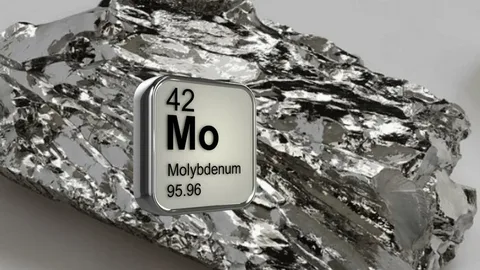
Industrial metals play a vital role in supporting global manufacturing, modern infrastructure, and technological progress. Among these materials, molybdenum stands out as an incredibly valuable alloying element. Manufacturers rely on it to boost steel strength, prevent rust, and maintain structural integrity under extreme heat. Today, its use stretches far beyond simple steel production. Major industries
Industrial metals play a vital role in supporting global manufacturing, modern infrastructure, and technological progress. Among these materials, molybdenum stands out as an incredibly valuable alloying element. Manufacturers rely on it to boost steel strength, prevent rust, and maintain structural integrity under extreme heat.
Today, its use stretches far beyond simple steel production. Major industries like aerospace, energy, electronics, automotive, and chemical processing depend on this metal heavily. Governments now focus closely on securing strong supply chains. At the same time, manufacturers continue to invest in advanced materials. These combined efforts drive a steady rise in the demand for molybdenum across many sectors.
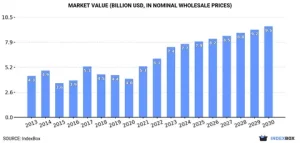
A comprehensive market research report by MarkNtel Advisors highlights this upward trajectory. The global molybdenum industry held a value of USD 5.98 billion in 2025. Experts project the market will expand significantly to hit USD 11.20 billion by 2032. This growth represents a compound annual growth rate (CAGR) of 10.33% during the forecast period. Multiple factors fuel this rapid market expansion. Rising global steel production, growing industrial infrastructure, and the widespread adoption of high-performance alloys all push the market forward. Additionally, major investments in critical mineral supply chains provide a strong boost.
Steel Production Drives Consistent Demand
Steel manufacturing remains the primary consumer of molybdenum worldwide. Producers mix this metal into stainless steel, engineering steel, and specialty alloys. The addition vastly improves durability, weldability, and corrosion resistance. Because of these enhanced properties, molybdenum-infused steel excels in harsh environments. Builders use it for massive construction projects, transportation equipment, industrial machinery, pipelines, and power generation plants.
Data from the World Steel Association shows that global crude steel production regularly tops 1.8 billion tonnes each year. This massive volume highlights the steel industry’s enormous appetite for raw materials. Developed and emerging economies continue to invest heavily in infrastructure, industrial expansion, and manufacturing. Consequently, the rising need for high-performance steel alloys will keep driving business for molybdenum producers.
Applications Expand Into High-Tech Industries
Steelmaking still consumes the largest share of the supply, but advanced industries are adopting molybdenum rapidly. For example, aerospace firms use molybdenum-rich superalloys to build aircraft engines, gas turbines, and defense equipment. These parts must handle intense stress and retain their mechanical strength at incredibly high temperatures. Similarly, the chemical sector relies on molybdenum-based materials to construct processing equipment. This machinery must withstand highly corrosive chemicals without breaking down.
The automotive and heavy machinery sectors also benefit from this metal. The lubricant industry uses molybdenum disulfide as a dry, solid lubricant. This compound successfully reduces friction and wear under extreme pressures where oil fails. These specialized applications show how the metal improves industrial efficiency. It simultaneously extends the lifespan of equipment across multiple business sectors.
Electronics Innovation Opens Fresh Markets
One of the most exciting breakthroughs involves molybdenum disulfide ($MoS_2$) in the tech sector. Material scientists view this compound as a premier next-generation semiconductor material. Tech companies and researchers are actively exploring its use in flexible electronics, wearable health devices, and ultra-thin computer chips. These advanced components promise to deliver superior computing power while using far less electricity.
Research from the International Molybdenum Association (IMOA) underlines this growing trend in advanced manufacturing. The data shows how the metal is successfully moving past traditional industrial uses. Continued breakthroughs in semiconductor research will likely create completely new commercial markets for molybdenum-based technologies over the next ten years.
Strategic Mineral Policies Reshape Global Supply
Governments around the world now recognize molybdenum as a crucial, strategically important industrial mineral. Recent policy shifts aim to boost domestic mining, diversify supply sources, and secure supply chains. These initiatives have elevated the status of critical minerals within national economic strategies.
To secure their industries, several nations are funding new mining projects. They are also expanding local processing plants and forming international trade partnerships. These strategies reduce reliance on a few concentrated supply sources. Ultimately, these efforts ensure long-term material availability. They protect the domestic industries that rely heavily on a steady supply of high-performance metals.
The U.S. Geological Survey (USGS) confirms that critical minerals are vital for modern manufacturing, green energy systems, transport networks, and public infrastructure. Industrial demand continues to spread into new areas. Therefore, building resilient supply chains is essential for maintaining steady economic growth.
Asia-Pacific Leads Global Consumption
The Asia-Pacific region dominates global molybdenum consumption by a wide margin. A massive steel manufacturing sector and a booming industrial footprint support this leadership. Rapid urbanization, large infrastructure spending, and intense manufacturing activity in nations like China keep the region at the forefront of both production and use.
In contrast, North America and Europe are focusing heavily on developing their own mining projects. They are investing in supply chain diversification to boost domestic production. These regional efforts will eventually create a more balanced global supply network. A diversified network successfully reduces exposure to geopolitical tensions and trade disruptions.
Innovation and Sustainability Shape the Future
Modern manufacturers focus intensely on creating stronger, lighter, and more sustainable materials. These new materials lower operational costs and improve efficiency. Molybdenum helps achieve these green goals. It extends the working life of heavy machinery, prevents rust, and allows factories to run cleaner processes.
Furthermore, clean energy sectors require materials that can survive harsh operating conditions. Electric vehicles, wind turbines, aerospace engineering, and high-end electronics all need tougher components. These rising performance standards encourage constant investment in alloy development. Companies gladly fund research into specialty materials and advanced manufacturing methods that utilize molybdenum.
A Bright Outlook Ahead
The rising value of molybdenum reflects massive changes in global manufacturing and supply logistics. Several forces combine to strengthen the long-term outlook for this versatile metal. These factors include the demand for tough materials, continuous infrastructure upgrades, tech breakthroughs, and government backing.
Steel production will definitely remain the largest consumer for the foreseeable future. However, new roles in electronics, aerospace, green energy, and advanced manufacturing expand its strategic value. Global industries will always chase stronger, lighter, and more durable materials. Because of this, molybdenum will remain a foundational element for industrial innovation and global economic progress. Interested readers can find deeper market forecasts, competitor details, and regional breakdowns in the full Molybdenum Market Research Report by MarkNtel Advisors.