
Introduction Hip replacement surgery is one of the most common and successful orthopedic procedures performed today. It is usually recommended when hip pain and stiffness caused by arthritis, injury, or joint damage make it difficult to walk, climb stairs, or perform daily activities. By replacing the damaged joint with an artificial implant, the surgery aims
Introduction
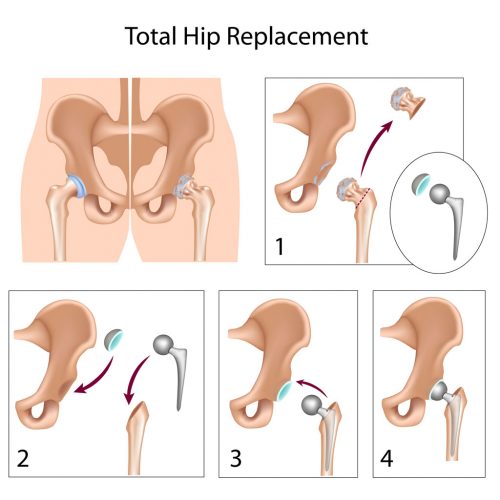
Hip replacement surgery is one of the most common and successful orthopedic procedures performed today. It is usually recommended when hip pain and stiffness caused by arthritis, injury, or joint damage make it difficult to walk, climb stairs, or perform daily activities. By replacing the damaged joint with an artificial implant, the surgery aims to relieve pain and restore movement, helping patients regain their active lifestyle.
When considering this procedure, it’s also important to understand the Hip Replacement Surgery Cost in India, as it varies depending on factors like hospital type, surgeon’s experience, implant quality, and rehabilitation services. India has become a preferred destination for patients worldwide because of its advanced medical facilities and affordable pricing compared to many Western countries.
The Benefits: What You Can Expect
Here are the key advantages of having hip replacement surgery:
1. Significant Pain Relief
For many patients, the pain that once limited walking, climbing stairs, or even sleeping begins to ease soon after surgery. Over time it can almost disappear altogether.
2. Improved Mobility and Independence
Stiffness and limited motion often accompany hip joint issues. After replacement, many people notice smoother movement in the hip, making walking, getting in and out of chairs, or changing positions far easier.
3. Better Quality of Life
With less pain and more mobility, you’re more likely to return to the activities you enjoy whether it’s a gentle walk in the park, socialising with friends, or simply being more comfortable at home. The improvement often goes beyond just the hip: better mood, more independence, and less reliance on pain medications.
4. Long-Term Results
Modern implants and surgical techniques are designed to last many years. With good care and rehabilitation, a replacement hip can serve you well for a decade or more. Some studies show favourable outcomes over 10−15 years and beyond.
5. High Success Rates
Hip replacement is one of the most successful and routinely done joint surgeries. When performed by experienced surgeons, the results tend to be very good, which gives many patients confidence going ahead.
Also read: Unlocking the Enigma of Renal Science: Unveiling the Intricacies of Kidney Function
The Risks: What You Should Know
Although hip replacement is common and safe for many people, no surgery is without risks. Knowing the possible complications can help you prepare, discuss with your surgeon, and make realistic plans.
1. Infection
Any time there’s surgery, infection remains a concern. It may involve the wound site or, in worse cases, the implant itself. Early detection and treatment are key.
2. Blood Clots
After surgery, reduced mobility and changes in circulation can make leg veins more prone to clotting. Prevention protocols (like compression stockings, medication, early mobilising) help mitigate this risk.
3. Dislocation or Instability
In the early healing phase, certain movements may cause the ball of the implant to slip out of the socket. This is why surgeons often advise activity restrictions for a period after surgery.
4. Leg Length Discrepancy
Sometimes when the implant is positioned, one leg may end up feeling slightly longer or shorter than the other. Usually this is small and manageable, but it can be noticeable for some patients.
5. Implant Wear or Loosening Over Time
The artificial joint won’t behave exactly like a natural one and, especially for younger or very active patients, wear and tear can eventually cause problems. This might mean needing a revision surgery later.
6. Other Risks
- Nerve or blood-vessel injury (rare)
- Reaction to anaesthesia
- Longer recovery time for people with other health conditions
Best Country for Hip Replacement Surgery
If you’re looking abroad for the procedure, one country that stands out is India. Why? Because India offers a combination of skilled orthopaedic surgeons, modern hospital facilities and comparatively affordable costs. Many international patients choose India for these reasons.
When we talk about Hip Replacement Surgery Cost in India, the lower cost does not necessarily mean lower quality — many hospitals are well equipped, and rehabilitation services are often structured to support recovery. If you’re planning medical travel, check credentials, the surgical team’s experience, implant quality, and post-surgery rehab support.
How to Decide If It’s Right for You
Here’s how to approach the decision-making process thoughtfully:
- Consult with a specialist: A detailed evaluation of your hip condition, overall health and lifestyle goals is essential.
- Discuss timing: Often, surgery is recommended once non-surgical treatments (medication, physical therapy) no longer give sufficient relief.
- Understand your implant options: Material, type of surgery approach (traditional vs minimally invasive), and expected lifespan of the implant.
- Ask about rehab and lifestyle post-surgery: A strong recovery plan will support outcomes.
- Consider cost and travel if relevant: If you’re thinking of a country like India, factor in travel, accommodation, follow-up care and possible return visits.
- Think long term: Surgery is a tool to improve life; maintaining mobility, avoiding falls, staying active and monitoring the joint will help the result last.
Conclusion
Undergoing hip replacement surgery can be a transformative experience. The benefits substantial pain relief, improved mobility, better quality of life often outweigh the risks when the procedure is performed by an experienced surgical team and followed by proper rehabilitation. At the same time, it’s wise to proceed with eyes open: understand the risks, get clear on costs, and plan realistically.
Whether you’re considering domestic options or looking at medical travel to a destination like India, knowing the facts puts you in a stronger position. With the right preparation and recovery mindset, this surgery can open the door to a more comfortable, active life.