
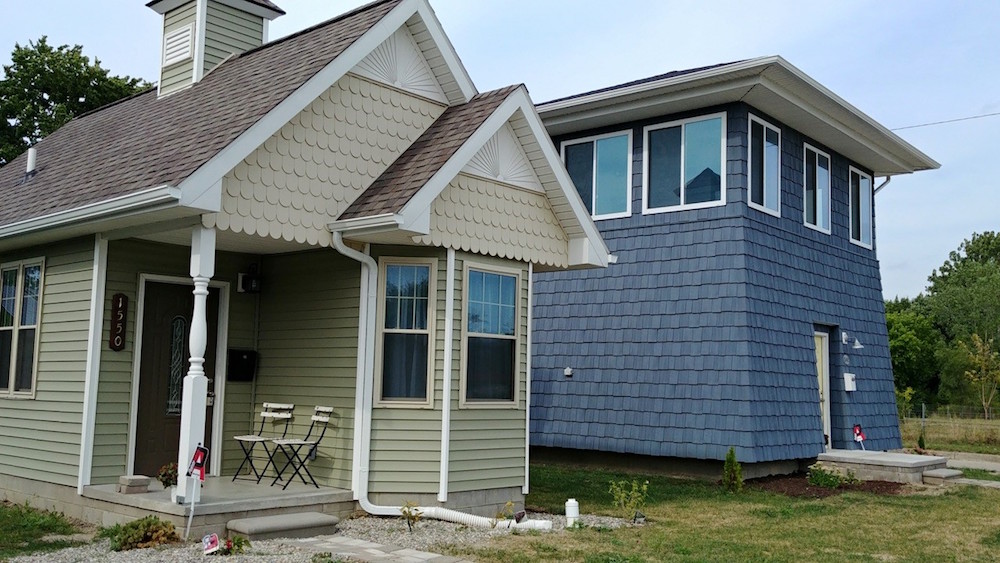
Introduction In the vibrant tapestry of Detroit, a city renowned for its resilience and innovation, an intense debate is taking center stage. This article dives deep into the furor surrounding Detroit’s flourishing tiny house movement, unraveling the intricacies of the challenges and possibilities it unfolds. To illuminate our path through this exploration, we’ll hear from
Introduction
In the vibrant tapestry of Detroit, a city renowned for its resilience and innovation, an intense debate is taking center stage. This article dives deep into the furor surrounding Detroit’s flourishing tiny house movement, unraveling the intricacies of the challenges and possibilities it unfolds. To illuminate our path through this exploration, we’ll hear from local experts who offer their distinct perspectives.
Meet the Local Experts
Before we delve into the furor, let’s acquaint ourselves with the local experts who hold the keys to comprehending Detroit’s tiny house revolution:
1. Dr. Emily Turner Credentials: Urban Planner and Housing Advocate Dr. Turner’s profound knowledge of urban planning and her dedication to affordable housing issues make her a vital figure in assessing the impact of tiny homes in Detroit.
2. James Harris Credentials: Tiny House Builder and Advocate James’s hands-on involvement in constructing and championing tiny houses in Detroit offers a pragmatic, ground-level view of this burgeoning movement.
The Tiny House Revolution
Unveiling Detroit’s Tiny House Movement
Detroit, a city with a storied past and a hopeful future, finds itself at the epicenter of an extraordinary housing revolution. Tiny houses, often measuring under 500 square feet, have emerged as a solution to Detroit’s housing challenges, providing affordability and sustainability.
The Controversies
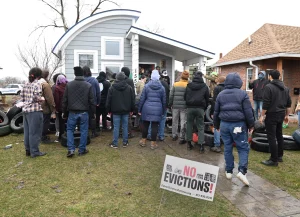
Image by: https://www.detroitnews.com/
1. Zoning Quandaries: A Legal Struggle
A significant point of contention within Detroit’s tiny house movement revolves around zoning regulations. The tension between innovative housing concepts and traditional zoning laws has ignited passionate debates concerning land use and property rights.
2. Neighborhood Dynamics: Striving for Identity
Tiny houses often disrupt the established character of neighborhoods, raising concerns about the preservation of local identity. Striking a balance between innovation and community cohesion is a formidable challenge.
3. Utility Conundrums: Adapting to Compact Living
Adapting utilities and infrastructure originally designed for larger homes to accommodate tiny houses presents technical challenges. Discovering sustainable solutions tailored to these compact dwellings remains an ongoing puzzle.
The Benefits
1. Affordable Housing: A Path to Ownership
Tiny houses offer an accessible entry point into homeownership, empowering individuals and families to invest in property without the weight of traditional mortgages.
2. Sustainable Living: A Greener Tomorrow
Compact dwellings significantly reduce the environmental footprint of urban living, championing sustainability and eco-friendliness.
3. Minimalism in Practice: Streamlined Lives
Embracing minimalism through tiny house living fosters decluttered, simplified lives, liberating residents from the trappings of consumerism.
Local Initiatives and Success Stories
1. Micro-Communities: Redefining Urban Living
Detroit’s tiny house communities are at the forefront of reshaping urban living, creating micro-neighborhoods that nurture a sense of community and shared values.
2. James’s Vision: Building Dreams
James Harris’s dedication to building and advocating for tiny houses has not only provided affordable housing but also inspired others to join the movement, leaving a lasting impact on Detroit’s housing landscape.
Comparative Table: The Tiny House Debate vs. Benefits
| Aspect | Controversy | Benefits |
|---|---|---|
| Zoning Regulations | Legal battles and debates | Affordable homeownership |
| Neighborhood Dynamics | Clash with local identity | Sustainability and eco-friendliness |
| Utility Challenges | Adapting to compact living | Simplified, clutter-free living |
Conclusion
Detroit’s tiny home furor is a testament to the city’s adaptability and its willingness to embrace innovative housing solutions. While the debates are passionate and ongoing, the advantages of affordability, sustainability, and minimalism are too significant to disregard.
In the end, Detroit’s tiny house movement invites us to reimagine the concept of home and community in the 21st century. Whether you’re a skeptic or an enthusiast, the discussion surrounding small living in the Motor City is a conversation worth engaging in. It’s not just about tiny houses; it’s about reshaping the idea of urban living itself.




















Leave a Comment
Your email address will not be published. Required fields are marked with *