
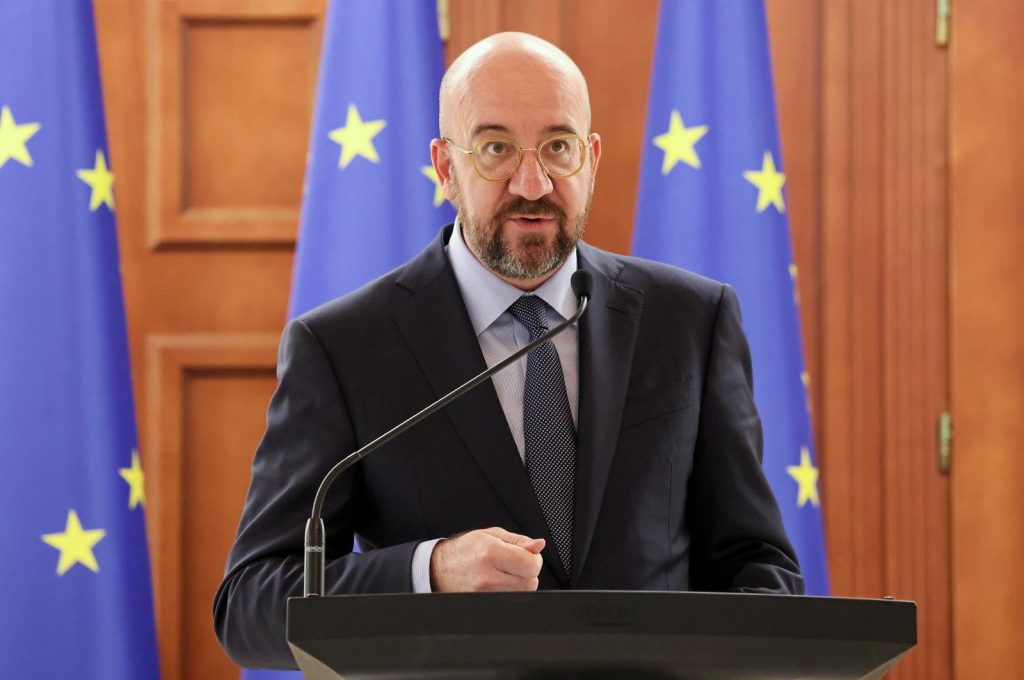
Introduction The European Union has been a beacon of unity and cooperation, fostering peace and stability across the continent. As the world continues to evolve, so too do the aspirations of nations seeking to be part of this prominent alliance. President Michel’s ambitious proposal to ready the EU for accepting new members by 2030 has
Introduction
The European Union has been a beacon of unity and cooperation, fostering peace and stability across the continent. As the world continues to evolve, so too do the aspirations of nations seeking to be part of this prominent alliance. President Michel’s ambitious proposal to ready the EU for accepting new members by 2030 has sparked both excitement and scrutiny.
Image by: https://twimg. com
Challenges and Opportunities for EU Expansion
The prospect of enlarging the EU brings forth a mix of challenges and opportunities. On one hand, embracing new members could enhance the Union’s influence on the global stage while promoting economic growth through increased trade and collaboration. On the other hand, expansion necessitates addressing concerns about maintaining cohesion and navigating potential cultural and political differences among member states.
President Michel’s 2030 Proposal: A Path to Enlargement*
President Michel’s vision outlines a comprehensive road map for EU expansion. The proposal emphasizes the need for rigorous assessment criteria to ensure aspiring members align with the Union’s values of democracy, human rights, and the rule of law. This process, while time-consuming, is vital to prevent dilution of the EU’s core principles and to ensure new members can seamlessly integrate into the existing framework. To meet these criteria, candidate countries must demonstrate substantial progress in areas such as governance, economy, and judiciary. This approach not only upholds the integrity of the Union but also sets a higher standard for aspiring nations to strive towards.
Implications for Europe’s Political and Economic Landscape
The potential inclusion of new members could reshape Europe’s political dynamics. As the EU expands, the balance of power within the Union may shift, affecting decision-making processes and the influence of individual member states. Additionally, the influx of new economies could bolster the EU’s collective economic strength, paving the way for increased trade opportunities and shared prosperity. However, the integration of diverse economies and societies requires careful consideration. Lessons from previous enlargement rounds underscore the importance of offering adequate support for newly integrated members to ensure their successful transition and sustained growth. This approach minimizes disparities and promotes a more cohesive and equitable Union.
Conclusion
President Michel’s proposal to prepare the EU for new members by 2030 opens a door to a future where collaboration and unity continue to define Europe’s trajectory. While challenges lie ahead, the potential benefits of expansion in terms of political influence and economic prosperity make this endeavor worthy of serious consideration. As the EU charts its course for the next decade, the world watches with anticipation to see how this bold vision unfolds.



















Leave a Comment
Your email address will not be published. Required fields are marked with *