
Introduction Visiting the dentist for the first time can feel overwhelming, especially if you are unsure what to expect. Many people feel nervous about dental checkups, but proper preparation can make the experience easier and more comfortable. Preparing for your first dental visit helps you understand the process, ask the right questions, and take control
Introduction
Visiting the dentist for the first time can feel overwhelming, especially if you are unsure what to expect. Many people feel nervous about dental checkups, but proper preparation can make the experience easier and more comfortable. Preparing for your first dental visit helps you understand the process, ask the right questions, and take control of your oral health. In this article, we will guide you through practical steps to get ready for your first visit, reduce anxiety, and ensure a positive and productive dental experience.
Understanding What to Expect
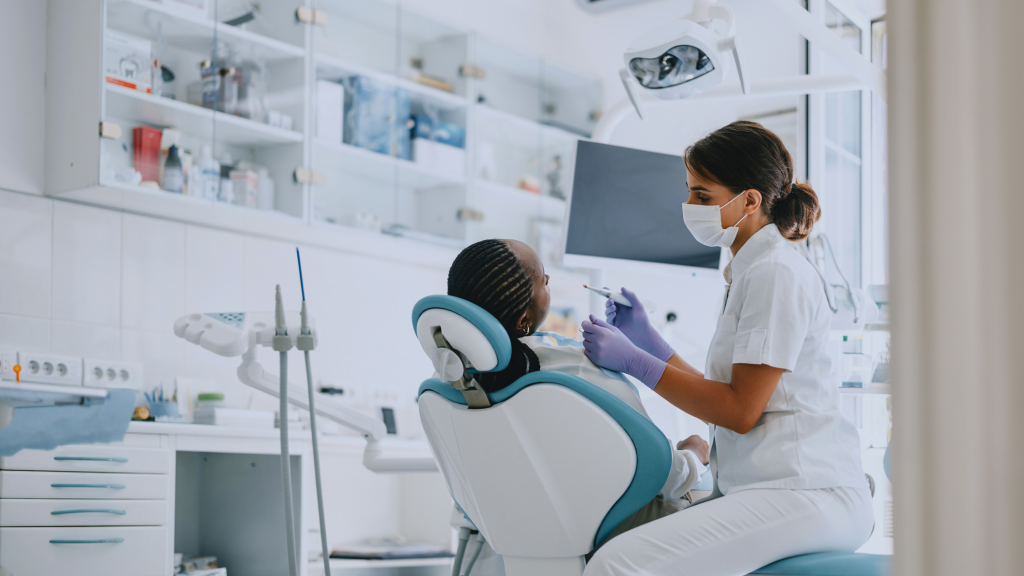
Knowing what will happen during your first dental visit can help reduce anxiety. Most first visits include:
- Medical History Review: The dentist will ask about your overall health, medications, allergies, and previous dental experiences. This information helps the dentist provide safe and personalized care.
- Oral Examination: The dentist will examine your teeth, gums, tongue, and mouth for signs of decay, disease, or other issues.
- Dental X-Rays: X-rays may be taken to see problems that are not visible during a regular exam. These help identify cavities, bone issues, or impacted teeth.
- Cleaning and Polishing: A dental hygienist may clean your teeth, remove plaque, and polish them to remove surface stains.
- Advice and Treatment Plan: After the examination, the dentist will discuss your oral health, provide recommendations, and explain any treatments if needed.
Understanding these steps can help you feel more comfortable and prepared for your visit.
Tips to Prepare for Your First Visit
Preparation can make your first dental visit less stressful. Here are some tips:
- Choose the Right Dentist: Look for a dentist with good reviews and a friendly approach. A dentist who makes you feel comfortable is essential for a positive experience.
- Make a List of Questions: Write down questions about oral care, treatments, or procedures. This ensures you don’t forget anything during your visit.
- Gather Your Medical Information: Bring a list of medications, allergies, and past dental treatments. This helps the dentist provide safe and accurate care.
- Practice Good Oral Hygiene: Brush and floss your teeth before your appointment to feel fresh and confident. Avoid using mouthwash with strong scents that could interfere with the dentist’s assessment.
- Eat a Light Meal: Have a small meal before your visit so you feel comfortable during the checkup. Avoid sugary foods that may affect your teeth temporarily.
- Dress Comfortably: Wear comfortable clothes to help you feel relaxed in the dental chair.
Following these steps can help you feel prepared and reduce anxiety during your first dental visit.
Managing Dental Anxiety
Many people feel nervous about visiting the dentist. Managing anxiety can make your first visit much easier.
- Communicate with Your Dentist: Let your dentist know about your fears. Dentists are trained to help patients feel comfortable and can explain procedures in simple terms.
- Bring a Friend or Family Member: Having someone you trust with you can provide emotional support.
- Practice Relaxation Techniques: Deep breathing, listening to calming music, or visualization exercises can help you stay relaxed.
- Start with a Basic Checkup: If you are extremely nervous, ask for a simple examination first. Gradually, you can proceed with other treatments.
By addressing anxiety before your visit, you can create a positive experience and establish a healthy dental routine.
What to Bring to Your First Dental Appointment
Being prepared with the right items can make your visit smoother:
- Identification and Insurance Card: Ensure your personal and insurance details are ready.
- Medical Records: Bring information about previous dental treatments or surgeries.
- List of Medications and Allergies: This helps the dentist avoid complications during treatment.
- List of Questions: A written list ensures you don’t forget any concerns.
- Comfort Items: Earphones, stress balls, or anything that helps you feel calm.
Bringing these items can make your first dental appointment organized and stress-free.
What Happens After Your First Visit
After your first visit, the dentist may recommend:
- Regular Checkups: Usually every six months to maintain oral health.
- Follow-Up Treatments: If cavities, gum issues, or other problems are found, your dentist will explain the next steps.
- Oral Hygiene Guidance: The dentist may give tips on brushing, flossing, and dietary choices to prevent dental problems.
Following these recommendations ensures long-term oral health and helps you build a good relationship with your dentist.
Benefits of a First Dental Visit
Visiting the dentist for the first time offers many benefits:
- Early Detection of Problems: Issues like cavities, gum disease, or misaligned teeth can be detected early and treated effectively.
- Personalized Oral Care Advice: The dentist provides guidance tailored to your needs and lifestyle.
- Improved Confidence: A clean and healthy mouth boosts your confidence and overall well-being.
- Peace of Mind: Knowing your oral health is monitored reduces worry about future dental problems.
By taking your first step and visiting the dentist, you invest in your long-term health and smile.
Conclusion
Preparing for your first dental visit is key to reducing anxiety, staying informed, and ensuring a positive experience. By understanding what to expect, choosing the right dentist, managing anxiety, and bringing necessary items, you can make your visit smooth and comfortable. Your first appointment lays the foundation for healthy oral habits, early problem detection, and ongoing care. Taking these steps ensures that you not only enjoy your visit but also maintain a confident and healthy smile for years to come.