Introduction Led Strip Light is one of the most versatile lighting solutions used in homes, offices, shops, studios, and outdoor spaces. These lights offer a modern, stylish, and energy efficient way to brighten any environment. Whether someone wants soft ambient lighting, task lighting, or decorative highlights, Led Strip Light provides endless design possibilities. The slim
Introduction
Led Strip Light is one of the most versatile lighting solutions used in homes, offices, shops, studios, and outdoor spaces. These lights offer a modern, stylish, and energy efficient way to brighten any environment. Whether someone wants soft ambient lighting, task lighting, or decorative highlights, Led Strip Light provides endless design possibilities. The slim structure, flexible build, and customizable lengths make it suitable for almost any project. As demand for modern lighting continues to grow, Led Strip Light has become a top choice for both residential and commercial use.
What Makes Led Strip Light a Popular Choice
There are many reasons why Led Strip Light is widely used today. One major advantage is its energy efficiency. Compared to traditional bulbs, it consumes far less electricity and helps reduce monthly power bills. It also produces minimal heat, making it safe for enclosed or low ventilation areas. Another reason is its long life span.
A good quality Led Strip Light can last for years without frequent replacements. With advanced technology, these lights come in a wide range of color temperatures, brightness levels, and styles. From warm yellow tones to cool white light, users can easily match the lighting tone to the mood of the space. The flexible nature of Led Strip Light also allows it to be installed in corners, around curves, under furniture, behind TVs, or along ceilings.
Types of Led Strip Light Available in the Market
There are several types of Led Strip Light designed to suit different needs. Single color strips are perfect for simple and elegant lighting solutions. These lights stay one color at all times and are commonly used in kitchens, bedrooms, and hallways. Then there are RGB strips that allow the user to change colors with a remote or mobile app.
This option is ideal for parties, events, or creative setups. For more advanced lighting effects, RGBIC strips offer dynamic color flows, gradients, and multi zone lighting. Some strips come with waterproof protection for outdoor use, such as gardens, patios, billboards, and vehicles. Voltage options like 5V, 12V, and 24V allow customers to choose the right power level based on brightness and distance requirements. Each type of Led Strip Light serves a different purpose, making it easier to pick the perfect one for any project.
Creative Uses of Led Strip Light for Home Decor
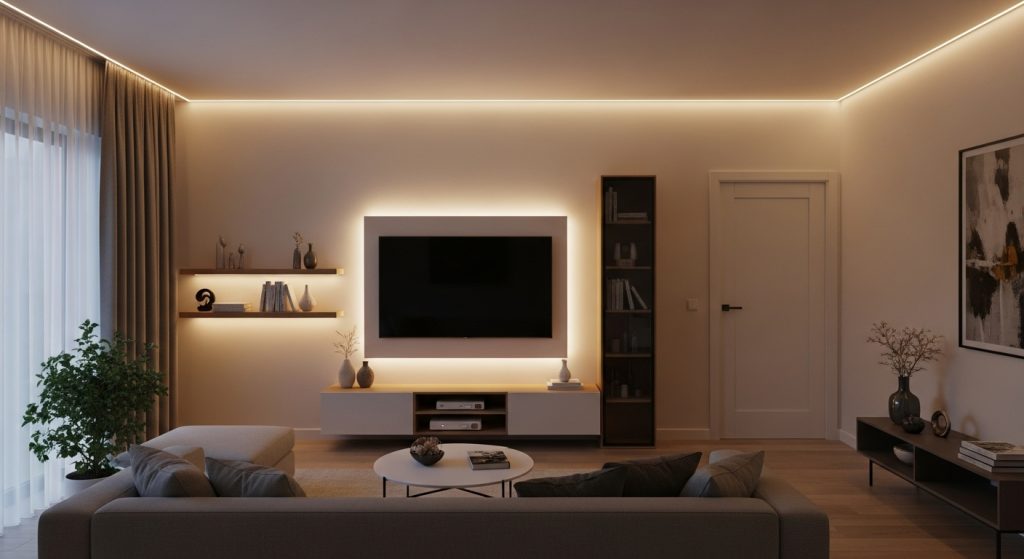
Homeowners love using Led Strip Light to add beauty and functionality to their spaces. In the living room, these lights can be installed behind the TV to reduce screen glare and create a stylish backdrop. Under cabinet lighting in kitchens improves visibility while cooking and makes the area look modern.
Bedrooms also benefit from Led Strip Light by creating soft, relaxing lighting under the bed, along the headboard, or around wardrobes. Some people use it to highlight shelves, artwork, or ceiling designs. Led Strip Light is also great for home theaters, gaming rooms, staircases, and balconies. Its ease of installation and wide range of colors make it a perfect option for anyone wanting to upgrade the ambiance of their home without major renovations.
Commercial Applications of Led Strip Light
Businesses also rely on Led Strip Light for professional and decorative lighting. Retail stores use these lights to highlight products, shelves, and display counters. Restaurants and cafes install them to create a cozy and inviting atmosphere. Offices use Led Strip Light for modern ceiling designs and task lighting.
Hotels, bars, and event halls use color changing strips to enhance the overall mood and style of the environment. Led Strip Light is also widely used in signage, architectural outlines, and advertisement boards. Its bright output and low energy usage make it practical for long operating hours. Whether it is a commercial building, studio, or showroom, Led Strip Light helps create a polished and visually appealing space.
Benefits of Using Led Strip Light
Led Strip Light offers many benefits beyond just appearance. Its energy efficiency helps save on electricity costs. It is environmentally friendly as it contains no harmful chemicals. The long lifespan reduces maintenance and replacement costs. Many strips come with adhesive backing, making installation quick and easy.
The adjustable brightness and color options allow complete control over the lighting environment. Led Strip Light also supports smart features like voice control, scheduling, and automation through smart home systems. Another major benefit is its low heat emission, which keeps spaces comfortable and safe. These features combine to make Led Strip Light a practical investment for any lighting project.
Tips for Choosing the Right Led Strip Light
Before buying Led Strip Light, it is important to consider a few factors. First, check the brightness level measured in lumens to ensure it meets the lighting requirement. Second, verify the strip’s color temperature or RGB features depending on the desired effect. Third, choose the correct voltage for the installation distance.
Higher voltage strips like 24V maintain brightness over longer lengths. Waterproof rating is also essential for outdoor or wet areas. Look at the LED density, as strips with more LEDs per meter provide smoother and brighter lighting. Finally, always purchase from a reliable supplier to ensure quality and long term performance.
Installation Guide for Led Strip Light
Installing Led Strip Light is a simple process that does not require professional help in most cases. Start by measuring the area where the strip will be placed. Clean the surface thoroughly to ensure proper adhesion. Cut the strip only at the marked points to avoid damaging the circuit. Peel off the adhesive backing and press the strip firmly onto the surface.
Connect the strip to the power supply using the provided connectors. For RGB or smart strips, link the controller or WiFi adapter as instructed. Test the lights before finalizing the setup. If installing outdoors, make sure all connections are properly sealed to prevent water damage.