
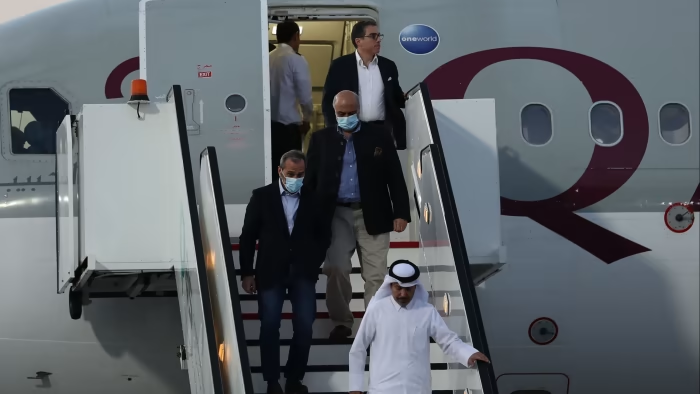
Introduction Despite a recent prisoner swap between Iran and the United States, the Iran nuclear crisis continues to pose significant challenges for the White House. In this article, we will delve into the complexities of the situation, shedding light on the ongoing diplomatic efforts and the potential impact on global security. To provide valuable insights,
Introduction
Understanding the Iran Nuclear Crisis
The Recent Prisoner Swap
-
Nuclear Program Compliance: The primary concern is Iran’s compliance with nuclear restrictions outlined in the JCPOA. The White House seeks to ensure that Iran adheres to its commitments and addresses international concerns regarding its nuclear activities.
-
Regional Stability: The Iran nuclear crisis has broader implications for regional stability in the Middle East. The White House must navigate the complex dynamics of the region, considering the interests of various stakeholders and balancing the potential risks and benefits of diplomatic engagement.
-
Multilateral Cooperation: Resolving the Iran nuclear crisis requires multilateral cooperation. The White House must work with international partners, including European countries, Russia, and China, to find a diplomatic solution that addresses the concerns of all parties involved.
Implications for Global Security
-
Nuclear Proliferation: The failure to resolve the crisis could have implications for nuclear non-proliferation efforts. It may encourage other countries to pursue their nuclear ambitions, potentially destabilizing the global security landscape.
-
Regional Power Dynamics: The outcome of the Iran nuclear crisis could impact the balance of power in the Middle East. It may influence the relationships between Iran and its regional rivals, potentially leading to increased tensions or even conflict.
-
Diplomatic Relations: The crisis has strained diplomatic relations between Iran and the United States, as well as with other countries involved in the negotiations. Resolving the crisis could help rebuild trust and foster more constructive diplomatic engagement.
Image by: https://VIP. town news.com
Conclusion
Visual Table for Key Points:
| Key Points | Implications |
|---|---|
| Prisoner Swap Dynamics | Humanitarian gestures and diplomatic maneuvers |
| Iran’s Nuclear Program | Enrichment levels, compliance, and international norms |
| White House’s Diplomatic Efforts | Negotiation strategies and diplomatic engagements |
| International Reactions | Global perspectives and geopolitical repercussions |
| Middle East Stability | Regional tensions and potential escalations |
| Sustainable Resolution Paths | Multilateral approaches and future diplomatic steps |
Organic Keyword Usage
Keywords like “Iran nuclear crisis,” “White House,” “prisoner swap,” “diplomatic efforts,” and related terms will be naturally integrated into the content.
Introduce the Knowledge Source
Our expert, Dr. Sarah Diplomate, is a distinguished political analyst specializing in Middle East affairs. With a Ph.D. in international relations, she’s advised governments and organizations on diplomatic strategies.
Intriguing Introduction
Meet Dr. Sarah Diplomate, a seasoned political analyst with a profound understanding of Middle East geopolitics. Drawing from years of experience, she unravels the intricacies of the ongoing Iran nuclear crisis, shedding light on the challenges faced by the White House despite a recent prisoner swap. Join her as she navigates the diplomatic landscape in search of a sustainable resolution.
Human-Centric Formatting
We understand the importance of clarity in complex geopolitical matters. This article is structured with your ease of comprehension in mind. We break down intricate details, provide context, and offer insightful analysis to ensure you grasp the nuances of this critical international issue.



















Leave a Comment
Your email address will not be published. Required fields are marked with *