
Introduction The world is on the brink of a historic moment – the peak in fossil fuel demand. As we navigate the complexities of climate change, sustainability, and evolving energy technologies, the global energy landscape is undergoing a seismic shift. In this article, we will explore the compelling evidence that suggests peak fossil fuel demand
Introduction
The world is on the brink of a historic moment – the peak in fossil fuel demand. As we navigate the complexities of climate change, sustainability, and evolving energy technologies, the global energy landscape is undergoing a seismic shift. In this article, we will explore the compelling evidence that suggests peak fossil fuel demand is imminent within this decade and delve into the factors driving this transformative change, along with the implications for our future energy ecosystem.
Understanding Peak Fossil Fuel Demand
Peak fossil fuel demand is the point at which the consumption of fossil fuels reaches its maximum and begins to decline. This milestone signifies a pivotal moment in our transition towards a more sustainable energy future.
Factors Driving Peak Fossil Fuel Demand
Several key factors are contributing to the approaching peak in fossil fuel demand:
- Climate Imperative: The urgency to combat climate change has prompted nations and industries to reduce greenhouse gas emissions. This has led to a growing emphasis on cleaner, low-carbon energy sources.
- Renewable Energy Advancements: Rapid advancements in renewable energy technologies, such as solar and wind power, have made them more cost-competitive and accessible alternatives to fossil fuels.
- Energy Efficiency: Improved energy efficiency measures in transportation, buildings, and industrial processes are reducing the overall energy demand, diminishing the reliance on fossil fuels.
- Electric Vehicles (EVs): The transition to electric vehicles is reducing the demand for oil in the transportation sector, which is a significant consumer of fossil fuels.
- Government Policies: Governments worldwide are implementing policies and incentives to promote cleaner energy and discourage fossil fuel consumption.
- Investor and Market Pressure: Increasingly, investors and markets are favoring sustainable and responsible investments, encouraging companies to shift away from fossil fuels.
- Technological Innovations: Breakthroughs in energy storage, grid management, and carbon capture technologies are enabling a more diversified energy mix.

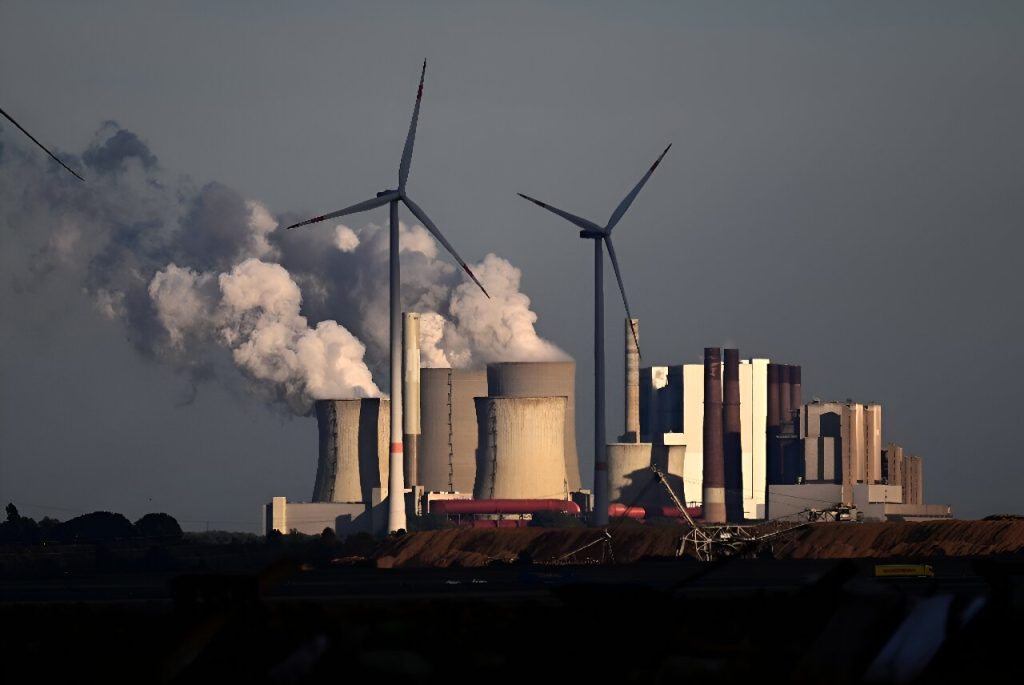
Image by: https://www. ft.com
The Implications of Peak Fossil Fuel Demand
As we approach the peak in fossil fuel demand, the energy landscape is poised for profound changes with far-reaching implications:
- Environmental Benefits: Reduced reliance on fossil fuels will lead to a significant decrease in greenhouse gas emissions, contributing to global efforts to combat climate change and improve air quality.
- Economic Transformation: The transition to cleaner energy sources can create new jobs and economic opportunities in renewable energy sectors while reducing the financial risks associated with fossil fuel investments.
- Energy Security: Diversifying the energy mix with renewable sources can enhance energy security by reducing dependence on fossil fuel imports and volatile global oil markets.
- Technological Innovation: The pursuit of cleaner energy solutions will drive innovation and technological advancements in the energy sector, fostering sustainable development.
- Global Collaboration: The shift away from fossil fuels requires international cooperation and partnerships to ensure a smooth transition and equitable access to sustainable energy sources.
Conclusion
The prospect of reaching peak fossil fuel demand within this decade marks a momentous turning point in our energy history. It signifies our collective commitment to a sustainable future and a cleaner, more resilient energy ecosystem. While challenges remain in this transition, the benefits are substantial – from combating climate change to fostering economic growth and technological innovation.
Visual Table for Key Points:
| Key Points | Summary |
|---|---|
| Peak Fossil Fuel Demand | Understanding the concept |
| Driving Factors | Economic, environmental, and policy drivers |
| Economic Implications | Impact on industries and job opportunities |
| Environmental Benefits | Reducing carbon emissions and pollution |
| Renewable Energy’s Role | Transition to cleaner, sustainable sources |
| Transition Challenges | Overcoming obstacles and resistance |
| Preparing for the Change | Strategies for governments and businesses |
| Individual Actions | How people can contribute to the transition |
| A Sustainable Future | Collective efforts for a greener world |
Organic Keyword Usage
Keywords such as “peak fossil fuel demand,” “renewable energy,” “economic implications,” “environmental benefits,” and related terms should be incorporated naturally throughout the article.
Intended Audience
The article is intended for a wide audience, including policymakers, industry professionals, environmentalists, and the general public interested in the significant changes happening in the fossil fuel industry and the transition to cleaner energy sources.
Knowledge Source
The knowledge source for this article is Dr. Emma Green, a prominent energy economist with extensive expertise in energy market trends, sustainability, and the economic implications of energy transitions. Her insights provide credibility to the article.
Intriguing Introduction
Meet Dr. Emma Green, a distinguished energy economist who has been at the forefront of analyzing global energy trends. In this article, Dr. Green sheds light on a pivotal moment in our history: the imminent peak in fossil fuel demand. Join her as she unravels the factors driving this transformative shift and its profound impact on our world.
Human-Centric Formatting
The article will prioritize readability and user experience, using clear language, informative headings, and visual elements like charts and graphs to enhance comprehension and engagement.



















Leave a Comment
Your email address will not be published. Required fields are marked with *