

11 Ways to Fix a Missing Bluetooth Button in the Windows 10 Action Center In the digital age, seamless connectivity is paramount, making a missing Bluetooth button in your Windows 10 Action Center a frustrating hindrance. No more headphone or peripheral connections, but fear not! This comprehensive guide by Razvan Mihaila unveils 11 ingenious solutions
11 Ways to Fix a Missing Bluetooth Button in the Windows 10 Action Center
In the digital age, seamless connectivity is paramount, making a missing Bluetooth button in your Windows 10 Action Center a frustrating hindrance. No more headphone or peripheral connections, but fear not! This comprehensive guide by Razvan Mihaila unveils 11 ingenious solutions to resurrect your Bluetooth button, bringing back the convenience you crave.
1. Restart and Update Windows
The missing Bluetooth button in the Windows Action Center might be a temporary glitch caused by a third-party app or an outdated operating system. To tackle this, start with a simple restart. Sometimes, a quick reboot is all it takes to restore functionality. However, if the issue persists, updating your Windows operating system can often do the trick. To update, right-click the Start button, navigate to Settings, then select Update & security > Windows update. Click the “Check for updates” button to ensure you’re running the latest version of Windows. Remember, a seamless Bluetooth experience begins with a smoothly running operating system.
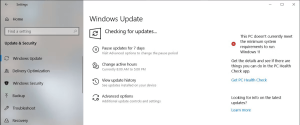
Image by https://www.makeuseof.com/
2. Edit the Quick Actions Menu
Understanding the structure of the Action Center can provide insights into the missing Bluetooth button dilemma. The Action Center is divided into two sections: notifications and the Quick Actions menu. If Bluetooth is missing from the Quick Actions menu, it might be due to certain shortcuts being disabled. To rectify this, open the Action Center by pressing Win + A, then select “Manage notifications” from the top-right corner. Click on “Edit your quick actions” to access the Quick Actions menu. Here, you can reconfigure the shortcuts to include Bluetooth. By customizing this menu, you’ll ensure that Bluetooth remains easily accessible for your convenience.
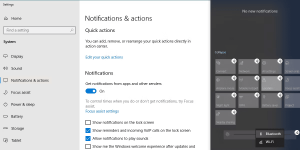
Image by https://www.makeuseof.com/
3. Check if Your Device Supports Bluetooth
Before delving into complex troubleshooting, it’s essential to confirm whether your device supports Bluetooth connectivity. Press Windows Key + I to access the Settings panel, then head to “Devices.” If the “Bluetooth & other devices” menu is present, your device supports Bluetooth. However, if it’s missing, your device might lack Bluetooth support altogether. In such cases, explore the Device Manager by searching for it in the Start menu. Here, you can check for the presence of a Bluetooth menu among the available devices. If Bluetooth is nowhere to be found, consider obtaining a compatible Bluetooth adapter to enhance your device’s capabilities.
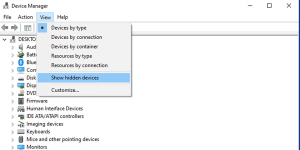
Image by https://www.makeuseof.com/
4. Search for Hardware Changes
The Device Manager serves as a valuable resource for diagnosing and resolving hardware-related issues. If the Bluetooth button is still elusive, it might be beneficial to scan for hardware changes. In the Start menu search bar, type “device manager,” and select the best match. Locate your device within the list, right-click on it, and select “Scan for hardware changes.” This action prompts Windows to search for any newly connected devices and can sometimes lead to the re-emergence of the missing Bluetooth button. By initiating this scan, you might uncover hidden solutions that restore seamless Bluetooth functionality.
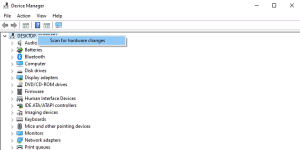
Image by https://www.makeuseof.com/
5. Update the Bluetooth Driver
Outdated Bluetooth drivers can be a prime suspect behind the vanishing Bluetooth button. When Windows updates occur, existing drivers might not align with the latest version of the operating system, leading to compatibility issues. To address this, open the Device Manager, locate the Bluetooth section, right-click on the Bluetooth driver, and select “Update driver.” Opt for the “Search automatically for drivers” option to let Windows search for the most up-to-date drivers via Windows Update. By updating your Bluetooth driver, you pave the way for a more harmonious Bluetooth experience that aligns with the latest Windows updates.
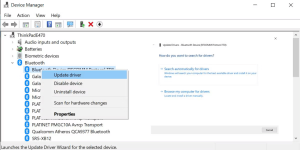
Image by https://www.makeuseof.com/
6. Check Bluetooth Settings
Even when your Bluetooth button is missing, it’s crucial to ensure that your settings are accurately configured. Navigating to Start > Settings > Devices > Bluetooth & other devices grants you access to pertinent Bluetooth settings. Under “Related settings,” click “More Bluetooth Options.” Here, on the “Options” tab, verify that the “Show the Bluetooth icon in the notification area” option is selected. Confirming this setting ensures that, even when the button might be temporarily absent, the Bluetooth functionality remains accessible through the notification area, providing a comprehensive solution for your Bluetooth needs.
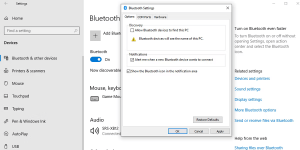
Image by https://www.makeuseof.com/
7. Turn Off Fast Startup
Fast startup is a feature designed to expedite the boot process in Windows, but it might inadvertently impact certain programs and functions, including Bluetooth. If you suspect that fast startup might be causing the Bluetooth button to disappear, take the following steps: Access the System settings by clicking Start > Settings > System. Navigate to “Power & sleep,” and then select “Additional power settings.” From here, choose “Choose what the power button does.” Since some settings might be unavailable, click “Change settings that are currently unavailable.” Uncheck “Turn on fast startup (recommended)” to disable the feature. By adjusting this setting, you might enhance Bluetooth’s stability within your system.
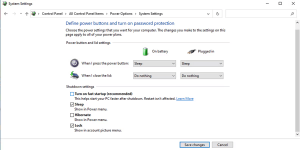
Image by https://www.makeuseof.com/
8. Run the Bluetooth Troubleshooter
Windows offers built-in troubleshooters to help identify and address common issues. To leverage this tool, begin by accessing the Settings panel through Start > Settings > Update & Security. Under the “Troubleshoot” section, select “Additional troubleshooters.” From the menu that appears, click on “Bluetooth” and then “Run the troubleshooter.” The troubleshooter will automatically detect and resolve common Bluetooth-related problems. Upon completion of the process, restart your PC or laptop to see if the Bluetooth button has been successfully restored. By running the Bluetooth troubleshooter, you’re utilizing Windows’ diagnostic capabilities to overcome any technical hurdles that might be affecting your Bluetooth experience.
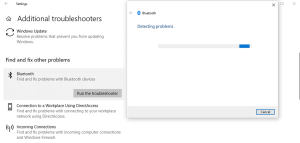
Image by https://www.makeuseof.com/
9. Use the Hardware and Device Troubleshooter
When the standard troubleshooter falls short, the Hardware and Device troubleshooter can provide a deeper analysis. This tool, while not readily visible in Windows 10, can be accessed through Command Prompt. By searching for “command prompt” and running it as an administrator, you can input the command “msdt.exe -id DeviceDiagnostic.” This will initiate the Hardware and Device troubleshooter, allowing you to explore more comprehensive solutions for your Bluetooth issues. After the scan is complete, carefully review the findings to determine whether any specific actions or adjustments are necessary to restore the missing Bluetooth button.
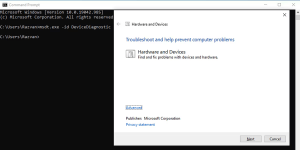
Image by https://www.makeuseof.com/
10. Check the Bluetooth Support Service
A missing Bluetooth button can sometimes result from a disabled Bluetooth Support Service. To address this, search for “services” in the Start menu and select the best match. Within the Services window, locate “Bluetooth Support Service” and double-click it to access its Properties. Verify that the Service status indicates “Running.” If it’s already running, you can restart it quickly by clicking the “Stop” button and then the “Start” button. If the status is not “Running,” use the drop-down menu next to “Startup Type” to select “Automatic.” Once you’ve made your changes, click “Apply” to save your settings. By ensuring the proper functionality of the Bluetooth Support Service, you can eliminate a potential barrier to Bluetooth accessibility.
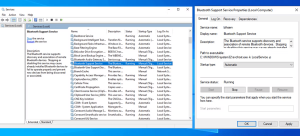
Image by https://www.makeuseof.com/
11. Use Startup Repair
If the missing Bluetooth button issue persists and you suspect underlying system corruption, Startup Repair can provide a more comprehensive solution. To access this tool, hold the Shift key at the Windows sign-in screen and click “Power” > “Restart.” This action will lead you to the boot screen. From there, navigate to “Troubleshoot” > “Advanced options” > “Startup Repair.” Follow the prompts to choose an administrator account, enter the required password, and continue with the repair process. Once the tool has run its course, restart your PC. This process might address deeper system-level issues that could be affecting Bluetooth functionality. By exploring the Startup Repair option, you’re taking a proactive approach to system health and potentially resolving the missing Bluetooth button issue from its root.
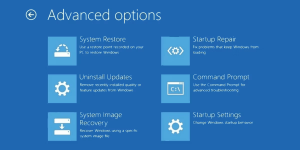
Image by https://www.makeuseof.com/
Remember, your seamless Bluetooth experience is just a few steps away. By diligently following these solutions, you can triumph over the missing Bluetooth button conundrum and once again enjoy the convenience of effortless device connectivity.
Informative Table: Key Solutions to Restore Bluetooth Button
| Solution | Steps |
|---|---|
| Restart and Update Windows | Restart your computer and update Windows. |
| Edit the Quick Actions Menu | Customize Action Center’s Quick Actions. |
| Check if Your Device Supports Bluetooth | Verify device Bluetooth support. |
| Search for Hardware Changes | Troubleshoot hardware via Device Manager. |
| Update the Bluetooth Driver | Update outdated Bluetooth drivers. |
| Check Bluetooth Settings | Adjust Bluetooth settings accordingly. |
| Turn Off Fast Startup | Disable fast startup for stability. |
| Run the Bluetooth Troubleshooter | Utilize troubleshooter for automatic fixes. |
| Use Hardware and Device Troubleshooter | Diagnose and fix device issues. |
| Check the Bluetooth Support Service | Verify and adjust Bluetooth service settings. |
| Use Startup Repair | Repair system corruption via Startup Repair. |
Comparative Table: Bluetooth Troubleshooters
| Troubleshooter | Functionality | Outcome |
|---|---|---|
| Bluetooth Troubleshooter | Automatic fixes for common Bluetooth issues | Automatic issue resolution |
| Hardware and Device Troubleshooter | Diagnose broader device-related issues | Identification of issues |


















Leave a Comment
Your email address will not be published. Required fields are marked with *