
Introduction In the vast digital landscape where modern games feature cinematic visuals, complex narratives, and immersive audio, one of the most beloved titles of the last decade is a simple, black-and-white, pixelated runner with no music, no dialogue, and no backstory. Google’s Dinosaur Game, also known as the Chrome Dino or T-Rex Runner, has become
Introduction
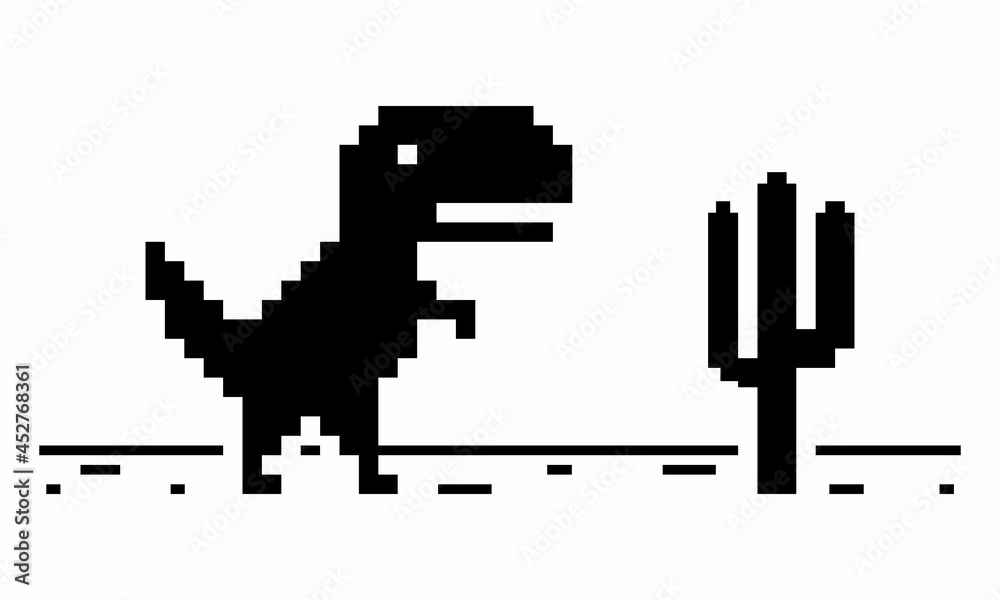
In the vast digital landscape where modern games feature cinematic visuals, complex narratives, and immersive audio, one of the most beloved titles of the last decade is a simple, black-and-white, pixelated runner with no music, no dialogue, and no backstory. Google’s Dinosaur Game, also known as the Chrome Dino or T-Rex Runner, has become a global phenomenon not because of high-tech features, but because of its delightful minimalism and its ability to turn frustration into fun.
Created as an easter egg inside the world’s most widely used web browser, the Dinosaur Game was originally a playful solution to a common annoyance: losing internet connection. It has since evolved into a cultural icon, inspiring speedruns, art, mods, unblocked versions, merchandise, and widespread nostalgia. This article explores the origins, design, mechanics, and lasting popularity of the Dinosaur Game, and why this tiny T-Rex continues to run through the hearts of millions.
The Origins of a Pixelated Legend
The Dinosaur Game first appeared in 2014 as part of a Chrome update. The developers—Sebastian Gabriel, Alan Bettes, and Edward Jung—created it to entertain users temporarily disconnected from the internet. Early versions were so simple that they barely resembled a full game, but even then, the idea resonated: instead of letting people stare at a blank error page, why not give them something fun to do?
The concept was built around humor. The primitive T-Rex symbolizes the prehistoric, offline world—when humans had no access to digital information, just as a user without Wi-Fi has no browser access. The team intentionally designed the game to look like something from early computing, using crisp pixel art and limited animation to mimic the style of 1980s arcade graphics. Paradoxically, this old-school aesthetic became part of its charm.
Over time, the Dinosaur Game grew from a quirky easter egg into an unofficial mascot for Chrome. As people discovered it, they shared it with friends, teachers, and coworkers. A simple “No Internet” screen had transformed into a moment of joy.
How the Game Works: Simplicity Done Right
The Dinosaur Game is an endless runner where the player controls a small T-Rex sprinting across a desert landscape. There are no levels, no upgrades, and no power-ups. The controls are minimal: press the spacebar or tap the screen to jump, and hold the down arrow to duck. That’s it. This simplicity makes the game accessible to anyone, regardless of age or gaming experience.
The real challenge lies in the increasing speed and the obstacles that appear—primarily cacti and the occasional swooping pterodactyl. As the dinosaur runs, the game gradually accelerates, demanding quick reflexes and concentration. The absence of sound is intentional: the silence heightens focus and reinforces the idea that this is a “waiting game,” something to play during downtime.
Yet beneath its simplicity lies clever design. The game uses procedural generation to create unpredictable combinations of gaps and obstacles. The difficulty curve ramps smoothly, creating an addictive loop—each loss feels fair, and each restart feels like a fresh opportunity.
A Secret World at 700 Points
While players may not notice at first, the Dinosaur Game contains small surprises. When a player reaches around 700 points, the game transitions from a bright desert to a darker one, resembling nightfall. The moon phases shift as the score increases, adding a subtle visual reward for longer runs. Later, at even higher scores, the world cycles back into daytime. These small touches make each successful run feel like a journey.
The highest possible score, 99,999, is essentially impossible to reach for most players due to the game’s blistering speed. But speedrunners and dedicated fans have attempted the challenge, turning the game from a casual time-killer into a competitive sport.
Why the Dinosaur Game Became a Cultural Icon
It might seem surprising that such a minimalist project became one of the most recognizable games on the internet. But its popularity can be explained by several factors:
1. Universal Accessibility
Anyone can play it. It runs on laptops, phones, tablets, and Chromebooks. It requires no installation, no account, and no tutorial.
2. Nostalgic Pixel Art
Its simple graphics evoke classic arcade games, appealing to adults and kids alike.
3. Perfect Timing
The game appears at a moment of frustration—when users lose connection—and transforms that moment into entertainment. This emotional contrast makes the experience memorable.
4. Word-of-Mouth Virality
Because the game is hidden behind the “No Internet” error page, players often discover it by accident and then share the secret with friends.
5. Endless Replayability
Like classic runner games such as Temple Run or Flappy Bird, the satisfaction of beating your high score keeps you coming back.
The Rise of Dinosaur Game Clones and Unblocked Versions
As the Dinosaur Game grew more popular, countless unofficial versions began appearing online. Many schools and workplaces blocked the chrome://dino page to reduce distractions, so fans created unblocked versions hosted on independent websites. These recreations range from faithful remakes to expanded editions that include:
- new backgrounds
- power-ups and skins
- multiplayer modes
- boss fights
- color variations
These versions helped spread the game far beyond Chrome, letting players enjoy it even when they do have internet.
From Browser Game to Pop Culture Icon
Over the years, the Dinosaur Game has inspired memes, fan art, animation, speedrun competitions, and even physical merchandise like keychains and T-shirts. It has appeared in Google doodles, educational coding challenges, and computer science classes. Some schools use it as a warm-up for teaching students about programming logic, since the core mechanics can be recreated with beginner tools like Scratch or Python.
The dinosaur itself, affectionately nicknamed “Stan” by fans, has become an unofficial mascot of digital patience—representing the idea that sometimes, the simplest distractions bring the greatest joy.
Why the Dinosaur Game Still Matters
In an era where games increasingly push technical boundaries, the Dinosaur Game stands as a reminder that fun doesn’t require complexity. Its enduring appeal comes from its elegant design philosophy: easy to learn, hard to master, endlessly replayable.
It also reflects something deeper about internet culture. The game isn’t a product with a marketing campaign or monetization strategy—it’s a gift, hidden in plain sight. A tiny, cheerful T-Rex offered to anyone who finds themselves offline and slightly annoyed. It shows that even in the world of giant tech companies, a small creative idea can thrive purely on charm.
Conclusion
The Dinosaur Game has run far beyond its humble origins as a simple offline distraction. It is now a cultural symbol, a nostalgic gem, a global pastime, and a celebration of minimalist game design. Whether you’re killing time during an outage, challenging a friend to beat your score, or simply enjoying the soothing rhythm of jumps and obstacles, the Dinosaur Game continues to deliver joy—proving that even in the digital age, sometimes the simplest ideas leave the biggest footprint.