
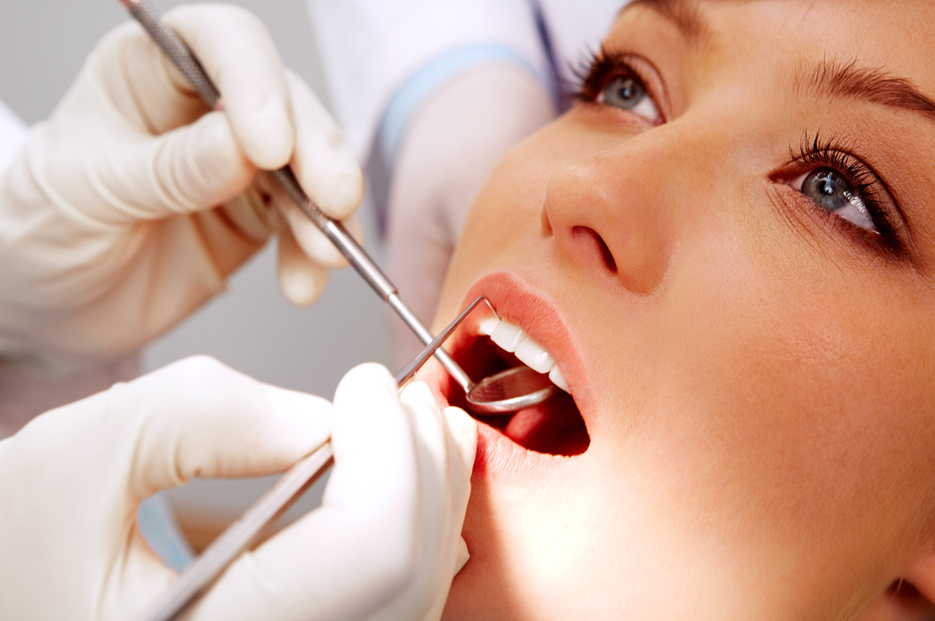
Introduction A visit to a dental hygienist in Preston is more than just a routine cleaning. While it might feel like the main task is scraping away plaque or polishing teeth, your hygienist is carefully checking your overall oral health. They examine your gums, teeth, bite, and even signs of early dental problems. Understanding what
Introduction
A visit to a dental hygienist in Preston is more than just a routine cleaning. While it might feel like the main task is scraping away plaque or polishing teeth, your hygienist is carefully checking your overall oral health. They examine your gums, teeth, bite, and even signs of early dental problems. Understanding what your hygienist looks for during a cleaning helps you take better care of your mouth and prevent issues before they become serious. This guide explains the key areas your hygienist focuses on and why each is important.
Plaque and Tartar Build-Up
One of the first things a hygienist examines is plaque and tartar. Plaque is a soft, sticky film of bacteria that forms on your teeth daily. If it is not removed by brushing and flossing, it can harden into tartar, which only a professional can remove.
Why It Matters
- Plaque and tartar contribute to cavities and tooth decay.
- Bacteria from plaque can cause gum inflammation or infection.
- Removing tartar prevents staining and bad breath.
How Hygienists Assess It
Your hygienist will check around the gum line, between teeth, and behind molars where plaque and tartar often hide. They may use a small mirror and probe to detect buildup and determine areas that need special attention.
Gum Health
Gum health is another critical aspect of a dental cleaning. Healthy gums are firm and pink, while unhealthy gums may be red, swollen, or prone to bleeding.
What Hygienists Look For
- Redness, swelling, or puffiness along the gums.
- Bleeding during gentle probing, which can indicate gum disease.
- Gum recession exposing tooth roots.
- Pockets between teeth and gums that may indicate infection.
Importance of Early Detection
Gum disease can progress without obvious symptoms. Early detection allows treatment before it causes tooth loss or affects overall health, including heart and metabolic conditions.
Tooth Condition
Image by: Yandex.com
During cleaning, a hygienist also evaluates the condition of your teeth. They are checking for signs of damage, decay, or other dental problems.
Key Indicators
- Cavities or soft spots in enamel that indicate decay.
- Chips, cracks, or worn surfaces from grinding or poor bite.
- Stains caused by food, drinks, or smoking.
Preventive Measures
Hygienists may recommend treatments like fluoride applications, dental sealants, or advice on avoiding habits that damage teeth. They will also provide guidance on brushing and flossing effectively.
Early Signs of Oral Disease
A skilled hygienist can identify early warning signs of oral health problems that might not be visible to the untrained eye.
Conditions They Monitor
- Oral cancer, such as unusual sores, lumps, or patches.
- Infections or persistent ulcers.
- Changes in the tongue, cheeks, or other oral tissue.
Detecting these issues early increases the chances of effective treatment and can prevent more serious complications.
Bite and Alignment
Your hygienist may also examine how your teeth fit together and your bite. Misalignment or grinding can affect oral health over time.
What They Assess
- How your teeth meet when you bite down.
- Uneven wear patterns that could indicate grinding.
- Areas difficult to clean due to crowded teeth.
If problems are found, they may suggest an orthodontic evaluation, night guards for grinding, or advice on targeted cleaning methods.
Oral Hygiene Habits
Your hygienist will also assess how well you maintain your oral hygiene at home.
What They Observe
- Plaque accumulation in areas you may miss when brushing.
- Whether flossing or interdental cleaning is being done correctly.
- Effectiveness of brushing techniques based on tooth and gum condition.
Guidance Provided
Hygienists give tailored advice to improve your brushing and flossing routines. They may recommend specific tools, such as electric toothbrushes, floss picks, or mouthwash, to make home care more effective.
Lifestyle and Dietary Factors
Lifestyle habits and diet affect your oral health, and your hygienist may discuss these during your visit.
Common Areas of Focus
- Frequent sugary foods or drinks that increase cavity risk.
- Tobacco use, which can stain teeth and damage gums.
- Acidic foods or beverages that erode enamel.
Hygienists provide tips to reduce risks, including moderation, better oral hygiene after eating, and habits to maintain stronger teeth and gums.
How to Prepare for Your Cleaning
Understanding what your hygienist looks for helps you get the most from your appointment.
Preparation Tips
- Brush and floss thoroughly before your visit.
- Share medical history and current medications.
- Ask questions about areas of concern or previous dental issues.
- Follow hygiene recommendations given during your visit.
- Schedule regular cleanings, ideally every six months.
Being prepared ensures your hygienist can focus on checking your oral health rather than addressing preventable issues.
Benefits of Regular Hygienist Visits
Visiting your hygienist regularly in Preston provides many benefits:
- Prevents cavities and gum disease from progressing.
- Detects oral health issues early, allowing prompt treatment.
- Keeps teeth clean, polished, and free from staining.
- Improves overall health by preventing infections that can affect other parts of the body.
- Offers personalized advice to maintain a confident smile.
Conclusion
A dental cleaning in Preston is about more than removing plaque and tartar. Your hygienist checks for gum health, cavities, early signs of oral disease, bite issues, and overall oral hygiene. They also provide advice to help you maintain a healthy mouth between visits. By understanding what your hygienist looks for and following their guidance, you can prevent problems, improve oral health, and enjoy a brighter, healthier smile. Regular professional care combined with good home hygiene ensures long-term dental wellness.