
A bull whip is far more than a simple length of braided leather. It is a symbol of precision, a testament to ancient craftsmanship, and a tool that demands respect and skill. Whether you see them in the hands of a cinematic hero or a professional performance artist, bull whips hold a unique place in
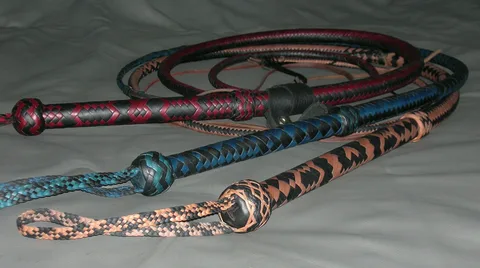
A bull whip is far more than a simple length of braided leather. It is a symbol of precision, a testament to ancient craftsmanship, and a tool that demands respect and skill. Whether you see them in the hands of a cinematic hero or a professional performance artist, bull whips hold a unique place in the world of leatherwork. For collectors, enthusiasts, and practitioners, the search for a high-quality whip often leads to one name: Leatherbond. This brand has become synonymous with durability and authentic artistry.
If you are looking for a bull whip that balances raw power with elegant style, understanding the nuances of its construction is essential. This guide will walk you through everything you need to know about these iconic tools, from their basic anatomy to the advanced techniques required to maintain them.
Understanding the Anatomy: What Exactly Is a Bull Whip?
At its core, a bull whip is a single-piece instrument. Unlike other whip styles that may have detachable parts, the bull whip is integrated from the handle to the tip. It features a rigid, fixed handle that transitions into a long, flexible, braided body known as the thong. This seamless design is the secret behind its legendary fluid motion.
Because the weight is distributed strategically along the length of the braid, the whip allows for a smooth transfer of energy. When a user swings the whip, that energy travels down the taper, accelerating until the very tip—the cracker—breaks the sound barrier. This creates the sharp, distinctive “crack” that people associate with the tool.
Common Uses for Modern Bull Whips:
- Performance Art: Used in stage shows and demonstrations to showcase accuracy.
- Skill Development: Practicing “sport cracking” to improve timing and rhythm.
- Stock Management: Historically used for moving livestock by sound rather than physical contact.
- Artistic Collections: Many enthusiasts display them as high-end examples of leather plaiting.
The Leatherbond Difference: Why Craftsmanship Matters
In a market often flooded with mass-produced, machine-made items, Leatherbond prioritizes the “Human Touch.” Each whip is handcrafted using traditional braiding techniques that have been passed down through generations. But why does hand-braiding matter so much?
When a machine braids leather, it cannot account for the natural variations in the hide. A human craftsman, however, feels the tension of every strand. They ensure the braid remains tight and consistent. This attention to detail results in a whip that doesn’t just look better—it performs with a level of balance and feedback that a machine simply cannot replicate.
Key Features of Premium Whips:
- 100% Genuine Leather: Only high-grade hides provide the necessary tensile strength.
- Internal Bolsters: Quality whips feature internal layers that provide the “spine” of the whip.
- Precision Balance: The weight is perfectly tuned to ensure the whip doesn’t feel “clunky” in the hand.
- Long-Lasting Finish: Specialized treatments protect the leather from the elements.
Bull Whip vs. Stock Whip: Making the Right Choice
Newcomers often use these terms interchangeably, but they are distinct tools. Choosing the wrong one can lead to frustration during practice.
| Feature | Bull Whip | Stock Whip |
| Handle Structure | Fixed and integrated into the thong. | Detachable handle connected by a leather keeper. |
| Motion Profile | Smooth, heavy, and continuous flow. | Fast, snappy, and highly responsive. |
| Best Application | Performance, target cutting, and sport. | Working with livestock and rapid-fire cracking. |
If you enjoy the feeling of a whip that flows like water and carries significant momentum, the bull whip is undoubtedly your best option.
Performance and Aesthetics: A Tool Built to Last
A Leatherbond bull whip is designed to be as visually impressive as it is functional. The intricate braiding patterns serve a dual purpose: they provide the structural integrity needed for high-speed cracking while showcasing the natural beauty of the leather. As you use the whip, the leather begins to “break in,” becoming more supple and developing a rich, dark patina. This makes every whip a personal artifact that improves with age.
Expert Care: How to Protect Your Investment
Leather is a biological material. It breathes, it stretches, and if neglected, it can degrade. If you want your whip to last a lifetime, you must commit to a simple maintenance routine.
-
Dry Storage is Non-Negotiable: Moisture is the primary enemy of leather. Always store your whip in a climate-controlled environment. If it gets wet, wipe it down immediately and let it air dry away from direct heat.
-
Occasional Conditioning: Use a high-quality leather dressing or conditioner. However, do not over-apply. You only need enough to keep the fibers from becoming brittle. A dry whip loses its strength and is prone to snapping.
-
Proper Hanging Technique: Never leave your whip folded or tightly coiled for months. This creates “memory” in the leather that can ruin the flow. Instead, hang it straight or keep it in a very loose coil.
-
The “Grass Only” Rule: For beginners, only practice on grass or soft surfaces. Cracking a leather whip on concrete or gravel is like rubbing it with sandpaper; it will shred the braiding in no time.
Frequently Asked Questions
What is the difference between a professional and a beginner’s whip?
Professional whips are built with a leather core and multiple “bolsters” (internal braided layers). This creates a heavy, tapered density that allows for maximum control. Beginner whips often use a rope core, which is cheaper but lacks the sophisticated “roll” of an all-leather build.
Kangaroo vs. Cowhide: Which is better?
Kangaroo leather is widely considered the best in the world for whip-making. It is incredibly strong for its thickness, allowing for higher plait counts (more strands). Cowhide is thicker and results in a bulkier, heavier whip. While cowhide is durable, kangaroo offers superior flexibility.
What is the ideal length for a first whip?
Most experts recommend an 8-foot whip. It provides enough length to develop a proper “loop” without being so long that it becomes unmanageable. A 6-foot whip is often too fast for a novice to track, while a 10-foot whip requires immense physical effort to keep off the ground.
Final Thoughts
Mastering the bull whip is a journey of patience and respect for the craft. By choosing a premium brand like Leatherbond, you are starting that journey with the best possible equipment. Whether you are aiming for the perfect crack or looking to add a masterpiece to your collection, these whips offer a blend of tradition and performance that is hard to match.
Ready to find your perfect match? Explore the Leatherbond Bull Whip Collection and experience the power of authentic craftsmanship today.