
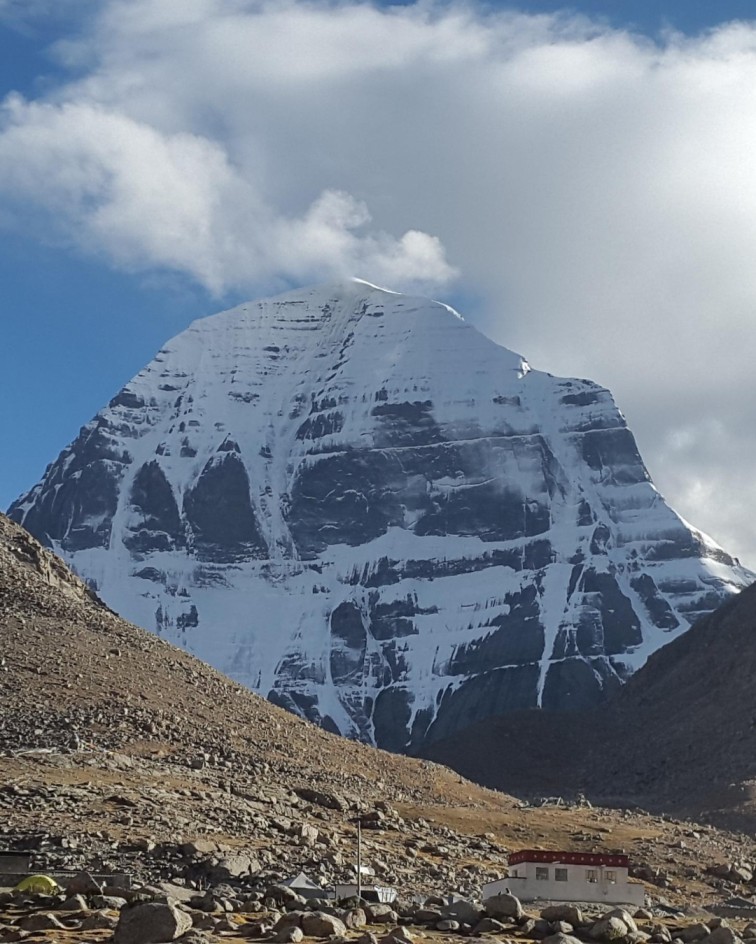
For many devotees in Lucknow, the dream of visiting Kailash Mansarovar Yatra from Lucknow is not form overnight. It grows slowly over the years — through prayers, stories, and a deep inner desire to witness the sacred land where divinity is believed to reside. As pilgrims prepare to leave Lucknow, there is excitement, devotion, and
For many devotees in Lucknow, the dream of visiting Kailash Mansarovar Yatra from Lucknow is not form overnight. It grows slowly over the years — through prayers, stories, and a deep inner desire to witness the sacred land where divinity is believed to reside.
As pilgrims prepare to leave Lucknow, there is excitement, devotion, and a quiet sense of surrender. The routine of daily life fades as the mind begins to focus on the extraordinary path ahead — toward the majestic Mount Kailash.
The Journey Beyond Borders
Travel from Lucknow usually begins with a flight or train journey to Nepal or a northern Indian gateway, depending on the chosen route. Organized tours manage permits, transport, accommodation, and meals to ensure pilgrims can focus on the spiritual purpose of their journey.
As the plains gradually give way to the Himalayas, the scenery transforms dramatically. Snow-capped peaks begin to dominate the horizon. Rivers flow fiercely beside mountain roads. The air grows cooler and thinner. Each passing mile feels like a step closer to something eternal. When the vast Tibetan plateau opens up before you, the landscape feels almost otherworldly — silent, powerful, and spiritually charged.
The yatra from Lucknow generally begins with travel to Nepal or another designated route toward Tibet, depending on the chosen package. Most organized tours handle documentation, permits, accommodation, meals, and logistics, ensuring pilgrims can focus on prayer rather than planning stress.
As travelers leave behind the comfort of the plains and move toward the Himalayas, the transformation is remarkable. The landscape changes from bustling cities to quiet mountain roads. The air becomes cooler, thinner, and filled with a silence that feels sacred. With every mile covered, anticipation builds. Pilgrims chant mantras softly, gaze at distant peaks, and prepare themselves mentally for the extraordinary experience ahead.
First Glimpse of Mount Kailash
No photograph can prepare you for the moment when Mount Kailash stands before your eyes. Rising perfectly symmetrical against the sky, its white summit glows in the sunlight like a divine monument carved by nature itself.
For Hindus, it is the sacred abode of Lord Shiva and Goddess Parvati. For Buddhists, it represents the axis of the universe. Jain and Bon traditions also hold it in profound reverence. Despite its towering presence, no one has ever climbed it, preserving its sacred purity.
Standing before Mount Kailash often brings tears, gratitude, and deep silence. Many pilgrims say that the mountain does not just appear before you — it speaks to you.
The Peace of Lake Mansarovar
Close to the sacred mountain lies the serene Lake Mansarovar, one of the highest freshwater lakes on Earth. Its crystal-clear waters reflect the surrounding mountains like a mirror of the soul.
Taking a holy dip in Lake Mansarovar is believed to cleanse past karmas and purify the spirit. Even simply sitting by the shore, watching the gentle ripples under a vast sky, brings unmatched tranquility.
At sunrise and sunset, the lake glows with golden hues, creating moments that feel timeless and sacred.
Near the sacred mountain lies the pristine Lake Mansarovar, one of the highest freshwater lakes in the world. Its crystal-clear waters mirror the sky and surrounding peaks, creating a scene of extraordinary beauty.
Pilgrims traditionally take a holy dip in Lake Mansarovar, believing it cleanses the soul of past karmas. Even those who simply sit quietly by the lakeshore feel a sense of renewal and calm.
The sunrise over Lake Mansarovar is particularly magical. As golden light touches the water, the entire landscape seems illuminated with divine energy.
The Sacred Parikrama Experience
The most profound part of the yatra is the Kailash Parikrama — a three-day trek circling the mountain. Covering rugged terrain at high altitude, it tests physical endurance but rewards spiritual strength.
Pilgrims walk through valleys, cross rocky paths, and climb the revered Dolma La Pass. With each step, prayers flow naturally. The body may feel tired, but the spirit feels uplifted.
Completing the parikrama is often described as life-changing. It instills humility, patience, and a deep sense of gratitude.
Preparation and Mindset
Since the yatra reaches high altitudes, proper preparation is essential. Regular walking, breathing exercises, and maintaining good health before departure are strongly recommended.
Warm clothing, sturdy shoes, sunglasses, and medical essentials are necessary due to unpredictable weather conditions. Most tour organizers provide oxygen support and experienced guides for safety.
However, beyond physical readiness, mental and emotional preparation are equally important. This journey requires faith, patience, and openness.
Returning with a Changed Heart
When pilgrims return to Lucknow after completing the Kailash Mansarovar Yatra, they often carry something invisible yet powerful — inner peace. The challenges of the journey become stories of strength. The silence of the mountains becomes a memory of clarity.
Mount Kailash does not just remain a destination visited; it becomes a presence felt within.
The yatra reminds us that sometimes, to find ourselves, we must travel to the highest places on Earth.