

Most drivers in the UK approach the “mobile mechanic vs. garage” question with a set of inherited beliefs. Perhaps you heard a tip from a parent, a colleague, or an outdated article. The problem is that many of these beliefs are fundamentally wrong. Misunderstandings often lead drivers to make expensive and inconvenient decisions. I have
Most drivers in the UK approach the “mobile mechanic vs. garage” question with a set of inherited beliefs. Perhaps you heard a tip from a parent, a colleague, or an outdated article. The problem is that many of these beliefs are fundamentally wrong. Misunderstandings often lead drivers to make expensive and inconvenient decisions.
I have spent over fifteen years as a mechanic in South London. I run both a mobile service in Bromley and a fixed workshop at Sanu Motors. Over the years, I have heard the same misconceptions from countless customers. This guide breaks down the nine most common myths, explains where they come from, and reveals the actual truth. By the end, you will be able to make a decision based on reality, which almost always results in a lower bill.
Myth 1: Mobile Mechanics Are Always Cheaper
The Logic: It seems obvious. A mobile mechanic doesn’t pay shop rent or employ a receptionist. Lower overhead should mean lower prices.
The Truth: For routine servicing and diagnostics, mobile mechanics are highly competitive. However, they do carry call-out fees (typically £35 to £85). On small jobs, this fee can make the mobile option more expensive than a garage.
However, you must account for the cost of your time. If a garage visit wastes two hours of your day in travel and waiting, the mobile option is often “cheaper” in real terms, even if the invoice is £30 higher. Generally, major engine or clutch work is more cost-efficient in a garage because the environment allows for faster, cleaner work.
Myth 2: Garage Work is Higher Quality
The Logic: A professional workshop with ramps and multiple staff members looks more “official” than a mechanic working on a driveway.
The Truth: Quality is determined by the technician, not the building. Many mobile mechanics are former main-dealer technicians who went independent to focus on quality and customer relationships. The absence of a ramp does not reduce their technical skill. Look for verified reviews and itemised quotes rather than the size of the building.
Myth 3: Mobile Mechanics Cannot Handle Complex Jobs
The Logic: Since they lack hydraulic presses and heavy lifts, people assume mobile mechanics can only do oil changes.
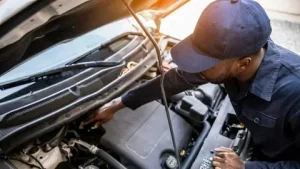
The Truth: Modern mobile vans are remarkably well-equipped. A professional service can handle complex electrical diagnostics, brake replacements, suspension work, and forced DPF regenerations. The genuine limitations are specific: MOT testing, internal gearbox repairs, and jobs requiring a hydraulic press. Most common repairs fall well within mobile capabilities.
Myth 4: You Have to Choose One or the Other
The Logic: The question is framed as a binary choice. You are either a “garage person” or a “mobile person.”
The Truth: The smartest drivers use both strategically. At Sanu Motors, we encourage customers to use our mobile service for routine maintenance and our Bromley workshop for specialist tasks like MOTs or clutch replacements. This “hybrid” approach saves money and minimises disruption to your week.
Myth 5: A Fixed Garage is More Reliable
The Logic: A building feels permanent and accountable. A van feels harder to track down if something goes wrong.
The Truth: Reliability is about the business’s track record, not its format. If your car won’t start because of a dead battery, a mobile mechanic is far more reliable. They solve the problem on-site in an hour. A garage requires you to coordinate an expensive recovery vehicle, making it the less reliable (and more expensive) choice in an emergency.
Myth 6: Mobile Mechanics Cannot Handle Modern Cars
The Logic: New cars are essentially rolling computers. People assume only “main dealers” have the software to fix them.
The Truth: Professional mobile mechanics invest thousands in high-end diagnostic technology. These tools read live sensor data for BMW, Mercedes, Audi, Ford, and more. While some proprietary manufacturer coding still requires a dealer subscription, the vast majority of modern car faults can be diagnosed right on your driveway.
Myth 7: Mobile Mechanics Always Have to Order Parts
The Logic: A van has limited storage, whereas a garage has a dedicated parts room.
The Truth: Both options order parts in advance for booked appointments. A mobile mechanic identifies your vehicle details at the time of booking and ensures the necessary filters, oil, or brake pads are in the van before they arrive. Garages only have an advantage when a part variant is uncertain and they need to run to a local supplier mid-job.
Myth 8: You Can’t See What is Happening at a Garage
The Logic: Workshops are usually “off-limits” for safety reasons, leaving the customer in the dark.
The Truth: Transparency is a major advantage for mobile work; you can watch the mechanic and ask questions. However, many modern garages now offer video health checks. They send a clip of your car’s underside to your phone with a commentary. If a mechanic (mobile or garage) refuses to show you evidence of a problem, that is the real warning sign.
Myth 9: A Garage is Always the “Safe” Default
The Logic: When in doubt, go with the traditional option. It feels less risky.
The Truth: Defaulting to a garage out of habit costs UK drivers roughly 10 hours of time per year. If you earn the average UK wage, that is over £140 of your time wasted on travel and waiting for jobs that could have been done at home. The “safe” choice is whichever one matches the specific job and your schedule.
Making the Right Choice
To decide which service you need, ask yourself these three questions:
-
Is the car driveable? If not, call a mobile mechanic to avoid recovery fees.
-
Is the job routine? For brakes, batteries, servicing, or diagnostics, mobile is usually best. For clutches or MOTs, go to the garage.
-
What is your time worth? Factor in the two hours of “life admin” required for a garage visit.
A Note on DPF Maintenance
If your DPF (Diesel Particulate Filter) light comes on, the choice depends on the severity. A mobile mechanic can perform a forced regeneration at your home for £85 to £150. If the blockage is severe, you may need a workshop for an off-car deep clean. Using an integrated service that offers both ensures you don’t pay for the same diagnosis twice.
Conclusion
The choice between a mobile mechanic and a garage isn’t difficult when you look at the facts. Mobile services offer incredible value and convenience for routine care, while garages provide the heavy-duty environment needed for major surgery.
Our team in Bromley provides both options to the same high standard: written quotes, clear communication, and a full warranty on parts and labour. If you aren’t sure which one you need, give us a call. We will give you an honest recommendation based on your specific car and situation.