
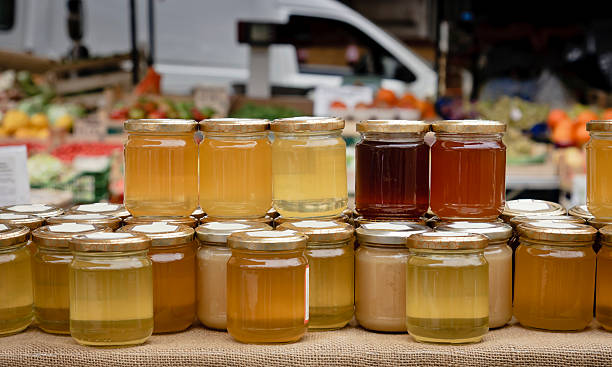
India’s food and beverage landscape undergoes a dramatic transformation today. Modern consumers prioritize health, transparency, and nutritional value. Consequently, they actively seek natural and minimally processed ingredients. Honey leads this shift as the preferred natural sweetener for millions of households. It also serves as a vital component for food manufacturers, nutraceutical companies, and the hospitality
India’s food and beverage landscape undergoes a dramatic transformation today. Modern consumers prioritize health, transparency, and nutritional value. Consequently, they actively seek natural and minimally processed ingredients. Honey leads this shift as the preferred natural sweetener for millions of households. It also serves as a vital component for food manufacturers, nutraceutical companies, and the hospitality sector. This growing awareness regarding diet, combined with the expansion of organized retail, creates the perfect environment for market growth.
Recent data from Vyansa Intelligence underscores this positive momentum. The India Honey Market reached a valuation of USD 311.5 million in 2025. Projections indicate it will grow to approximately USD 440.39 million by 2032. This trajectory represents a steady compound annual growth rate of 5.07% between 2026 and 2032. These figures highlight a clear trend. Consumers want cleaner ingredients, and they view honey as a trustworthy alternative to refined sugar.
Honey Beyond the Kitchen
Historically, families viewed honey primarily as a pantry staple for home remedies or tea. Today, the product occupies a much broader space. It acts as a versatile ingredient across numerous industries. You now find honey in bakery products, breakfast cereals, dairy items, and confectionery. Furthermore, nutraceutical companies incorporate it into health supplements. Personal care brands also infuse it into skincare formulations.
Manufacturers constantly search for recognizable, natural ingredients to replace artificial sweeteners. Honey solves this problem elegantly. It offers a natural profile that appeals to health-conscious shoppers. As food processors refine their “clean-label” formulations, they rely more heavily on honey. This widespread adoption drives market expansion and cements honey’s position as a staple of modern food production.
Government Initiatives Fuel Production
The Indian government recognizes the economic and agricultural potential of the honey industry. It actively strengthens the beekeeping ecosystem through targeted programs. These initiatives aim to improve production volumes, ensure product quality, and expand market access. Scientific beekeeping practices, improved testing infrastructure, and modern processing facilities form the backbone of these efforts.
The National Beekeeping and Honey Mission drives much of this progress. In 2024, India produced nearly 1.4 lakh metric tonnes of natural honey under this mission. The government supports the establishment of honey testing laboratories, packaging facilities, and producer organizations. Additionally, the Madhukranti portal provides digital traceability, giving consumers confidence in the origin of their purchase. These structural developments create reliable income streams for rural communities while simultaneously standardizing quality across the domestic market.

Innovation in the Food Processing Sector
The food processing industry creates new opportunities by blending honey into premium, packaged goods. Savvy manufacturers introduce honey-based breakfast items, beverages, snacks, and sauces. They target the urban and semi-urban demographic that balances convenience with wellness. These value-added products appeal to busy lifestyles without compromising on nutritional quality.
This diversification reinforces the market forecast. Brands no longer treat honey as a commodity. They treat it as an essential ingredient for premium positioning. By diversifying product portfolios, manufacturers respond quickly to shifting dietary preferences. They meet the consumer where they are—whether that means a morning cereal bowl or a gourmet salad dressing.
Product Innovation Drives Demand
Brands work hard to capture consumer interest through constant innovation. They now offer diverse options beyond traditional golden honey. The market features organic honey, raw honey, multifloral varieties, and monofloral options. Some brands even offer infused honey with exotic spices or herbs. This variety keeps the category fresh and exciting.
Packaging innovation also plays a critical role in this growth. Companies have replaced cumbersome jars with user-friendly squeeze bottles and travel-friendly packs. These changes improve accessibility and convenience. They encourage everyday use rather than occasional consumption. Such continuous product development broadens the appeal of honey across all demographics. As premium offerings saturate both offline and online retail, consumers find more reasons to integrate honey into their daily routines.
Sustainability and Agricultural Health
Beekeeping serves a purpose far greater than honey production. Healthy bee populations act as vital pollinators for Indian agriculture. Without them, crop yields would suffer significantly. Scientific beekeeping practices, colony management, and proactive disease monitoring protect these essential insects.
The Food and Agriculture Organization highlights the link between honey production, pollination, and biodiversity. Government-backed training programs encourage modern methods. These methods improve both the volume and the quality of the honey harvest. Consequently, sustainability becomes a built-in feature of the industry. This focus ensures long-term viability while protecting the natural ecosystem that makes honey production possible.
Digital Retail Transforms Accessibility
The retail environment has evolved alongside consumer habits. Honey is now ubiquitous. It lines the shelves of neighborhood grocery stores, large supermarkets, and pharmacies. Furthermore, specialty food retailers offer high-end, artisanal varieties for discerning buyers.
Digital commerce has fundamentally altered the purchasing experience. Online platforms allow consumers to research brands before they buy. Shoppers compare origins, certifications, and floral varieties with ease. They look for transparency and authenticity. E-commerce marketplaces facilitate this comparison, rewarding brands that prioritize clear labeling and traceable sourcing. This shift toward digital retail empowers the consumer and keeps brands honest.
Competition and Quality Assurance
Competition in the Indian honey market intensifies daily. Success no longer relies on price alone. It hinges on product purity, quality assurance, and brand trust. Leading manufacturers invest heavily in advanced processing technologies. They utilize sophisticated laboratory testing to verify their claims.
Traceability systems offer peace of mind. They track the product from the hive to the bottle. Brands that offer this level of transparency gain a loyal customer base. They leverage these systems to differentiate themselves from cheaper, less reliable competitors. By investing in premium product development and brand storytelling, companies strengthen consumer confidence. They build lasting relationships rather than chasing one-time sales.
A Bright Future
India’s honey industry possesses a robust foundation. It combines a massive food processing sector, a clear shift toward natural sweeteners, and proactive government support. These factors will sustain long-term growth.
Rising awareness regarding health will drive demand for years to come. Manufacturers will continue to innovate with premium, clean-label products. Furthermore, the broader adoption of honey in diverse food and beverage applications ensures its relevance. As long as consumers prioritize nutrition and authenticity, the honey market will thrive. The combination of scientific beekeeping, infrastructure investment, and constant product evolution paints a promising picture for the future of natural sweeteners in India.