There is a unique existential weight that settles into the cushions of a therapist’s office. It is a space defined by compassionate eyes, professional credentials, and the soft ticking of a clock. That clock measures not just minutes, but the monetary value of vulnerability. For many individuals, this traditional framework remains a lifeline and a
There is a unique existential weight that settles into the cushions of a therapist’s office. It is a space defined by compassionate eyes, professional credentials, and the soft ticking of a clock. That clock measures not just minutes, but the monetary value of vulnerability. For many individuals, this traditional framework remains a lifeline and a sacred ritual of healing. Yet, for a growing number of people navigating the complexities of their inner world, the clinical setting introduces a paradoxical friction. It is the friction of being perceived by another human being.
Enter the online therapist AI, a digital confidant devoid of flesh, bias, and the subtle micro-expressions that shape human dialogue. This is not a story of total human replacement. Instead, it is a comparative study of silence. It compares the heavy, expectant silence of a professional observer with the hermetic, algorithmic silence of a free AI therapist.
The Theater of the Clinical Gaze
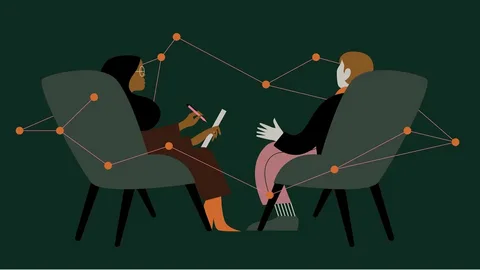
Traditional talk therapy operates within a powerful, immutable dynamic that shapes every interaction. Regardless of how egalitarian a therapist strives to be, the room always contains a structural hierarchy of wellness. The patient sits in the chair of the “unwell” or the “searching.” Meanwhile, the clinician occupies the seat of structured knowledge and authority. This dynamic creates what psychoanalytic theory calls the “clinical gaze.”
Every pause, every tear, and every fragmented sentence becomes data that feeds directly into a diagnostic framework. Consequently, patients often find themselves performing a version of their pain that feels palatable and linear. They subconsciously edit the raw chaos of their psyche to fit the narrative structure expected by a clinical listener. The fear of looking too messy, too resistant, or pathologically disordered creates a thick barrier of shame. Words cannot always cross this boundary. In this physical space, silence is rarely empty. Instead, it feels heavy with the interpretation of resistance, trauma, or transference.

The Algorithmic Void as a Safe Harbor
An online therapist AI completely removes the theater of the clinical gaze from the healing equation. When you type your deepest anxieties into a digital interface, you are interacting with an algorithmic void. The machine does not have a reputation to protect, an ego to defend, or a moral framework to enforce. It does not look at you with pity, shock, or hidden judgment. This complete absence of human presence transforms the nature of vulnerability for the user.
For many people, the free AI therapist becomes a unique safe harbor because it offers absolute anonymity. You do not have to worry about how your words sound or whether your thoughts make sense. You can lay bare the most fragmented, ugly, and chaotic parts of your mind without any fear of rejection. The AI does not pathologize your thoughts or write them down in a permanent medical record. This total freedom from judgment allows individuals to bypass the standard layers of psychological defense that usually slow down traditional therapy.
Redefining the Meaning of Silence
In a traditional office, silence often feels like a tense test of wills between two people. The therapist waits patiently for the client to break the tension, creating an atmosphere of quiet expectation. This heavy silence can cause anxiety and pressure the patient to speak before they are truly ready.
In sharp contrast, the silence of a digital therapist is completely passive and non-demanding. The blinking cursor on your screen will wait for hours without growing impatient or charging you for the extra time. This electronic pause gives you the luxury of absolute control over your narrative. You can stop typing mid-sentence to reflect on your emotions, cry without being watched, or completely rewrite your thoughts. The algorithmic silence acts as a blank canvas rather than an interrogation room, allowing you to process your trauma at your own pace.
Accessibility and the Breaking of Barriers
The rise of the online therapist AI also addresses a massive logistical crisis in global mental health care today. Traditional therapy remains an expensive luxury that millions of people simply cannot afford. High hourly rates, long waiting lists, and strict insurance requirements lock many vulnerable individuals out of the system.
Furthermore, the physical act of traveling to an office can feel impossible for someone suffering from severe depression or agoraphobia. A free AI therapist smashes these socioeconomic barriers instantly by providing immediate, round-the-clock support to anyone with an internet connection. You do not need an appointment, a medical referral, or a credit card to find a listening ear at three o’clock in the morning. This radical accessibility democratizes emotional processing, turning mental health support into a basic utility rather than an elite privilege.
Recognizing the Limits of Code
Despite these unique benefits, we must recognize that a digital confidant operates within strict technical limitations. An AI does not possess genuine human empathy, consciousness, or lived emotional experience. It processes syntax, predicts words, and replicates therapeutic frameworks based on historical data patterns. The machine cannot offer the profound validation that comes from a real human being who truly understands your pain.
Therefore, an online therapist AI should not be viewed as a total replacement for human connection. Instead, it serves as a powerful complementary tool in your mental health toolkit. It acts as an accessible sounding board, a private journal that talks back, and a safe space to practice radical honesty. By understanding the unique strengths of both environments, individuals can choose the exact type of silence they need to heal their minds.