
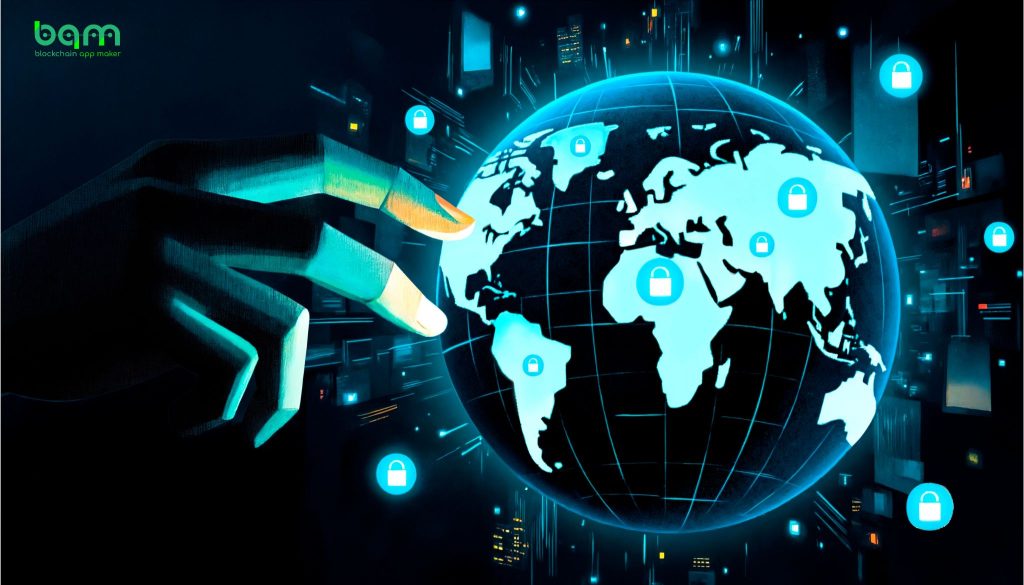
Artificial Intelligence and Web3 are rapidly becoming two of the most influential technologies shaping the future of the digital economy. Individually, each technology has already transformed industries, introduced new business models, and redefined how organizations operate. Together, however, they are creating a new generation of intelligent decentralized systems capable of making autonomous decisions, executing complex
Artificial Intelligence and Web3 are rapidly becoming two of the most influential technologies shaping the future of the digital economy. Individually, each technology has already transformed industries, introduced new business models, and redefined how organizations operate. Together, however, they are creating a new generation of intelligent decentralized systems capable of making autonomous decisions, executing complex tasks, and delivering highly personalized digital experiences.
As we move through 2026, businesses, startups, and technology innovators are increasingly exploring the intersection of AI and Web3 to build smarter, more efficient, and scalable applications. One of the most significant developments in this space is the rise of AI agents—autonomous software entities capable of analyzing data, making decisions, and interacting with blockchain-based systems without constant human intervention.
From decentralized finance and NFT marketplaces to supply chain management and digital identity verification, AI-powered Web3 applications are opening new opportunities for innovation across industries.
Understanding the Evolution of Web3
Web3 represents the next generation of the internet, built on decentralized technologies such as blockchain, smart contracts, distributed storage, and tokenized ecosystems. Unlike traditional Web2 platforms that rely on centralized intermediaries, Web3 enables users to own their data, control digital assets, and participate directly in network governance.
The primary goals of Web3 include:
- Decentralization
- Transparency
- User ownership
- Enhanced privacy
- Trustless interactions
- Community-driven governance
Over the past few years, Web3 has evolved far beyond cryptocurrency transactions. Today, businesses are using decentralized technologies to build applications for finance, healthcare, gaming, logistics, real estate, and enterprise operations.
However, despite its advantages, Web3 still faces challenges related to usability, automation, scalability, and user experience. This is where Artificial Intelligence enters the picture.
What Are AI Agents?
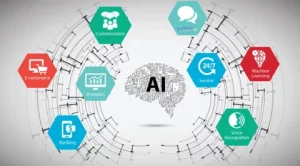
AI agents are intelligent software systems designed to perceive their environment, process information, make decisions, and perform actions autonomously.
Unlike traditional software programs that follow predefined workflows, AI agents can adapt to changing conditions, learn from historical data, and continuously improve performance.
Modern AI agents typically combine:
- Machine Learning
- Natural Language Processing
- Predictive Analytics
- Decision-Making Models
- Reinforcement Learning
- Autonomous Task Execution
When integrated into Web3 ecosystems, AI agents gain access to decentralized infrastructures where they can interact with smart contracts, digital assets, governance protocols, and blockchain networks.
This combination creates entirely new possibilities for intelligent decentralized applications.
Why AI and Web3 Are a Perfect Match
The integration of AI and Web3 creates a powerful synergy that addresses many limitations of traditional digital systems.
Enhanced Automation
AI agents can automate repetitive and complex tasks that previously required significant human involvement.
For example:
- Monitoring blockchain transactions
- Managing crypto portfolios
- Executing smart contract functions
- Optimizing DeFi strategies
- Processing governance proposals
This automation reduces operational costs while improving efficiency.
Improved User Experience
One of the biggest barriers to Web3 adoption has been user complexity.
AI-powered assistants can simplify interactions by helping users:
- Navigate decentralized platforms
- Manage wallets
- Understand blockchain transactions
- Discover relevant opportunities
- Automate routine activities
This creates a more accessible experience for mainstream users.
Intelligent Decision-Making
AI systems can analyze massive datasets in real time and identify patterns that would be difficult for humans to detect.
This enables:
- Faster decisions
- Better risk management
- Improved forecasting
- Enhanced operational performance
Increased Security
Blockchain networks already provide strong security mechanisms. AI enhances these capabilities by detecting unusual behavior, identifying vulnerabilities, and preventing fraudulent activities before they occur.
Key Use Cases of AI Agents in Web3
The practical applications of AI-powered Web3 systems continue to expand across multiple industries.
Decentralized Finance (DeFi)
DeFi remains one of the largest sectors within the Web3 ecosystem.
AI agents can:
- Analyze market trends
- Execute automated trading strategies
- Manage liquidity pools
- Optimize staking rewards
- Monitor lending protocols
- Detect potential risks
These capabilities help investors make better decisions while reducing manual effort.
NFT Ecosystems
The NFT market has matured significantly beyond digital art.
AI-powered systems can assist with:
- Asset valuation
- Collection recommendations
- Market trend analysis
- Fraud detection
- Personalized marketplace experiences
As NFT ecosystems become more sophisticated, intelligent automation will play a crucial role in improving efficiency and usability.
Decentralized Autonomous Organizations (DAOs)
DAOs rely on community governance and collective decision-making.
AI agents can support DAO operations by:
- Summarizing governance proposals
- Analyzing voting outcomes
- Providing strategic recommendations
- Predicting community sentiment
- Improving governance efficiency
This helps communities make more informed decisions while reducing administrative overhead.
Supply Chain and Logistics
Web3 technologies have already improved supply chain transparency through immutable blockchain records.
AI agents add another layer of value by:
- Predicting supply chain disruptions
- Optimizing delivery routes
- Monitoring inventory levels
- Identifying operational inefficiencies
- Automating procurement decisions
Organizations gain greater visibility and control over complex logistics networks.
Gaming and Metaverse Applications
The gaming industry is rapidly embracing blockchain technology.
AI-powered Web3 gaming experiences include:
- Intelligent non-player characters (NPCs)
- Dynamic virtual economies
- Personalized gameplay experiences
- Autonomous in-game asset management
- Real-time content generation
These innovations create more immersive and engaging digital environments.
Healthcare and Digital Identity
Healthcare organizations are exploring decentralized systems for secure patient data management.
AI agents can:
- Analyze medical records
- Support clinical decision-making
- Monitor patient activity
- Improve healthcare workflows
- Strengthen identity verification systems
Combining AI and blockchain improves both efficiency and data security.
Real-World Benefits for Businesses
Organizations adopting AI-powered Web3 solutions can unlock several strategic advantages.
Operational Efficiency
Automation reduces manual workloads and accelerates business processes.
Cost Reduction
AI agents minimize operational expenses by handling repetitive tasks and optimizing resource allocation.
Better Customer Experiences
Personalized interactions and intelligent recommendations improve user satisfaction and engagement.
Increased Transparency
Blockchain technology ensures every action performed by AI systems can be recorded and verified.
Scalability
AI-powered decentralized applications can adapt more effectively to growing user demands.
Challenges of AI-Powered Web3 Development
While the opportunities are significant, businesses must also address several challenges.
Smart Contract Vulnerabilities
AI agents rely on smart contracts for execution. Poorly designed contracts can create security risks and financial losses.
Data Reliability
AI systems are only as effective as the data they receive. Inaccurate or manipulated data can negatively impact decision-making.
Regulatory Compliance
Governments worldwide continue to develop regulations surrounding AI and blockchain technologies. Organizations must remain compliant with evolving legal requirements.
Infrastructure Complexity
Building intelligent decentralized systems requires expertise in blockchain development, AI engineering, smart contracts, cloud infrastructure, and cybersecurity.
This is why many organizations choose to work with a professional web3 development company that understands both blockchain architecture and AI integration.
The Rise of Enterprise Web3 Solutions
Large enterprises are increasingly adopting Web3 technologies to improve operations and create new revenue opportunities.
Examples include:
- Tokenized assets
- Digital identity systems
- Decentralized marketplaces
- Blockchain-based supply chains
- Secure data-sharing platforms
- Automated financial systems
AI agents further enhance these solutions by introducing intelligence and automation into decentralized workflows.
As enterprise adoption accelerates, demand for advanced web3 development services is expected to grow significantly.
Future Trends Shaping AI-Powered Web3 Applications
Several emerging trends are expected to define the next phase of innovation.
Autonomous Economic Agents
AI systems capable of managing assets, negotiating agreements, and participating in digital economies independently.
Intelligent Smart Contracts
Smart contracts that can adapt based on external data and changing conditions.
AI-Powered DAOs
Governance systems supported by predictive analytics and automated decision-making.
Personalized Decentralized Experiences
Applications that dynamically adapt to individual user behavior and preferences.
Cross-Chain Intelligence
AI systems capable of interacting across multiple blockchain networks simultaneously.
Conclusion
The convergence of Artificial Intelligence and Web3 is creating a transformative shift in how digital applications are built, managed, and experienced. AI agents introduce intelligence, automation, and adaptability, while blockchain technology provides transparency, security, and decentralization.
Together, these technologies are laying the foundation for a new generation of decentralized applications capable of operating with unprecedented efficiency and autonomy.
Organizations that embrace AI-powered Web3 innovation today will be better positioned to lead the next wave of digital transformation. As adoption continues to grow across industries, intelligent decentralized applications will become a cornerstone of the future internet.