
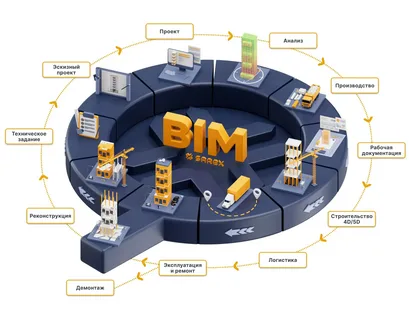
Cost overruns and delays continue to affect many construction firms across the United States. Projects often exceed planned budgets and miss deadlines, creating serious problems for contractors and project owners. These issues not only reduce profit margins but also damage client trust and long-term business relationships. To solve these challenges, many firms now rely on
Cost overruns and delays continue to affect many construction firms across the United States. Projects often exceed planned budgets and miss deadlines, creating serious problems for contractors and project owners. These issues not only reduce profit margins but also damage client trust and long-term business relationships. To solve these challenges, many firms now rely on BIM Services in USA to improve planning and project management.
Building Information Modeling helps teams identify potential problems before construction begins. Instead of reacting to issues on site, teams can resolve them during the planning stage. Modern construction projects involve multiple stakeholders.
Architects, engineers, contractors, and consultants must collaborate efficiently. Even a small mistake can create major disruptions. A wrong measurement or unnoticed clash between systems can halt work for several days. When work stops, labor and material costs increase rapidly.
BIM introduces a clear digital workflow for construction planning. By creating a detailed digital model of the project, teams can visualize how every component fits together before work begins. This approach reduces uncertainty and helps firms maintain better control over cost, schedule, and quality.
What Are BIM Services?
Building Information Modeling (BIM) is a digital process used to plan, design, and manage construction projects. Instead of relying only on traditional drawings, BIM creates an intelligent 3D model that contains detailed project information.
This model includes data about structure, materials, mechanical systems, electrical layouts, and construction sequences. Every component is digitally represented, allowing teams to review the entire project before construction begins.
BIM services typically include:
- 3D modeling
- Clash detection
- Quantity takeoffs
- Cost estimation
- Construction sequencing (4D BIM)
- Project coordination
One of the most important features of BIM is clash detection. The model allows teams to identify conflicts between systems such as structural elements, plumbing, HVAC, and electrical layouts.
For example, if a ventilation duct conflicts with a beam or pipe, the clash appears in the model. Engineers can correct the issue before construction begins. This prevents expensive rework later.
Another advantage is real-time data connection. Unlike traditional CAD drawings, BIM models update automatically when a design change occurs. All views, schedules, and quantities update instantly, ensuring every stakeholder works with accurate information.
This integrated data environment helps teams make faster and more reliable decisions.
Major Causes of Cost Overruns
Construction projects fail to meet budgets and schedules for several common reasons. One major cause is poor planning during the design phase. Design errors or incomplete documentation often lead to confusion during construction.
Another issue is lack of coordination between disciplines. Architects, structural engineers, and MEP designers sometimes work independently. When their designs are combined, clashes appear that were not previously identified.
Material miscalculations also create problems. Ordering too much material increases waste, while ordering too little causes shortages. Both scenarios disrupt project budgets.
Frequent design changes during construction add further complications. Each modification affects cost, schedule, and coordination between teams. Without a clear digital system, tracking these changes becomes difficult.
Communication gaps between stakeholders can also delay decisions. When teams wait for design clarifications, construction progress slows down.
How BIM Services Reduce Construction Costs
BIM plays a major role in reducing project costs by improving planning accuracy. First, BIM models allow teams to detect design conflicts before construction begins. Solving problems in a digital environment is far cheaper than fixing them on site.
Second, BIM provides accurate quantity information directly from the model. Estimators can calculate precise material quantities and develop realistic project budgets. This minimizes the risk of large cost overruns.
Third, BIM connects construction schedules with the 3D model through 4D planning. Teams can visualize the sequence of construction activities and optimize the workflow. This clarity helps reduce idle time and improve labor efficiency. Workers spend less time waiting for instructions or corrections.
BIM also improves client communication. When owners see a visual model of the project, they understand the design more easily. Faster approvals help keep projects moving forward without delays.
How BIM Services Minimize Project Delays
Project delays often result from poor coordination and inconsistent project information. Traditional construction workflows rely on separate drawings and documents. This creates confusion because teams may work from outdated versions.
BIM solves this problem by providing a single shared digital model that contains all project information. Everyone involved in the project works from the same data source. The model can also link time with design elements. This allows teams to review construction phases before work begins and identify scheduling conflicts early.
BIM also reduces the number of Requests for Information (RFIs). Clear 3D visualizations answer many questions that would normally require clarification. When design updates occur, the BIM model updates instantly. Teams can quickly analyze how the change affects cost and schedule, allowing them to make faster decisions and avoid major delays

Real-World Impact of BIM in the USA
Many construction firms in the United States now rely on BIM for complex projects. Large developments such as hospitals, airports, and commercial buildings often require detailed digital modeling. These firms report improved coordination, fewer design conflicts, and stronger cost control.
Software platforms such as Autodesk Revit have become industry standards for BIM modeling. These tools allow architects, engineers, and contractors to collaborate on a single digital platform. Many organizations also use integrated project platforms like Autodesk Construction Cloud to connect field teams with office teams.
Government agencies increasingly request BIM deliverables for public infrastructure projects. This growing demand reflects confidence in digital construction workflows. Companies that adopt BIM often complete projects closer to the planned schedule and face fewer legal disputes related to design errors or coordination problems.
Industries That Benefit Most from BIM Services
Several construction sectors gain significant advantages from BIM. Commercial buildings such as office towers require tight coordination between structural and mechanical systems. BIM helps prevent conflicts in complex layouts.
Healthcare facilities also depend heavily on BIM. Hospitals contain highly sophisticated mechanical and electrical systems. Precise planning is essential to avoid installation errors. Industrial projects benefit as well. Manufacturing plants and processing facilities require careful equipment placement. BIM allows engineers to plan layouts accurately before installation.
Infrastructure projects such as bridges, highways, and rail systems also benefit from BIM planning. Digital models help engineers manage complex phasing and construction sequencing.
In-House BIM Team vs. Outsourced BIM Services
Some construction firms choose to build internal BIM teams. While this provides full control over workflow, it also requires significant investment. Hiring experienced BIM professionals can be expensive. Firms must also invest in software licenses, hardware, and ongoing training.
Outsourcing BIM services offers a more flexible solution. Companies can access skilled professionals without maintaining a large permanent team. Outsourced teams often work on diverse projects and bring valuable experience from multiple industries. This expertise can improve modeling quality and coordination efficiency.
For many contractors, outsourcing BIM services is a strategic way to control costs while maintaining high technical capability.
Key Financial Benefits of BIM Services
BIM improves financial performance by reducing project risks. Early clash detection prevents costly rework during construction. This alone can save significant labor and material expenses.
Accurate quantity data also supports reliable cost estimation. Contractors can develop realistic budgets and avoid unexpected expenses later. Better coordination reduces disputes between subcontractors. Fewer disputes mean lower legal costs and fewer delays in project delivery.
BIM also improves cash flow management. When construction stays on schedule, billing milestones occur on time and payments arrive as expected. Additionally, improved documentation helps reduce insurance risks and strengthens project credibility with lenders and investors.
Future of BIM in US Construction
Digital construction technology continues to expand across the United States. Many project owners now expect data-rich digital models instead of traditional drawings. Public agencies increasingly include BIM requirements in project tenders. BIM platforms are also evolving rapidly. Advanced tools integrate cloud collaboration, real-time data sharing, and project analytics.
Emerging technologies such as digital twins will further expand BIM’s role. A digital twin replicates the physical building and allows owners to monitor performance, maintenance, and operations after construction is completed.
Automation and predictive analytics may also help teams forecast project risks and cost changes earlier in the planning phase. As adoption grows, BIM will become a standard requirement for competitive construction firms.
Conclusion
Modern construction projects demand better coordination, stronger cost control, and faster decision-making. Traditional planning methods often struggle to meet these requirements.
BIM provides a smarter approach to project delivery. By creating a detailed digital model, teams can detect problems early, improve collaboration, and maintain control over project budgets and schedules.
Construction firms that use BIM experience fewer design conflicts, reduced rework, and improved financial performance.
As digital construction standards continue to evolve, demand for professional BIM Modeling Services will keep growing. Companies that adopt BIM early will strengthen their competitive advantage, deliver projects more efficiently, and build lasting trust in the US construction industry.