
Sickle cell anemia is a serious inherited blood disorder that affects millions of people worldwide. It changes the shape and function of red blood cells, which are responsible for carrying oxygen throughout the body. In healthy individuals, red blood cells are round and flexible, allowing them to move smoothly through blood vessels. In people with
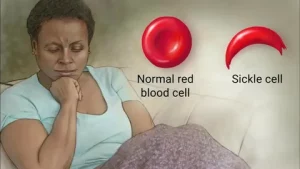
Sickle cell anemia is a serious inherited blood disorder that affects millions of people worldwide. It changes the shape and function of red blood cells, which are responsible for carrying oxygen throughout the body. In healthy individuals, red blood cells are round and flexible, allowing them to move smoothly through blood vessels. In people with sickle cell anemia, these cells become stiff and crescent-shaped, like a sickle. Because of their abnormal shape, they can get stuck in small blood vessels, block blood flow, and reduce oxygen supply to tissues and organs.
These repeated blockages and reduced oxygen levels can lead to a range of complications. While sickle cell anemia is a lifelong condition, proper medical care, lifestyle management, and early intervention can significantly reduce risks and improve quality of life.
Major Complications of Sickle Cell Anemia
1. Pain Crises (Vaso-Occlusive Crises)
Pain crises may be triggered by dehydration, infection, stress, cold weather, or high altitude. Some individuals experience frequent episodes, while others have them less often.
2. Chronic Anemia
Since sickled red blood cells break down much faster than normal cells, the body cannot replace them quickly enough. This leads to chronic anemia. Symptoms include fatigue, weakness, shortness of breath, pale skin, and dizziness. Persistent anemia can affect daily activities and overall well-being.
3. Increased Risk of Infections
The spleen plays an important role in fighting infections. In sickle cell anemia, repeated damage to the spleen reduces its ability to function properly. As a result, patients, especially young children, are more vulnerable to serious bacterial infections such as pneumonia and meningitis. Without prompt treatment, infections can become life-threatening.
4. Acute Chest Syndrome
Acute chest syndrome is a dangerous complication characterized by chest pain, fever, cough, and difficulty breathing. It occurs when sickled cells block blood vessels in the lungs or when a lung infection develops. Immediate medical treatment is essential, as this condition can quickly become severe.
5. Stroke
Blocked blood flow to the brain can cause a stroke, particularly in children with sickle cell anemia. A stroke can lead to weakness, speech problems, vision loss, or long-term disability. Regular screening using specialized tests can help detect children at high risk and prevent strokes through timely treatment.
6. Organ Damage
Over time, repeated blockages and reduced oxygen supply can damage vital organs such as the kidneys, liver, heart, and lungs. Kidney problems may lead to difficulty concentrating urine, while liver damage can cause jaundice. Long-term organ damage can significantly affect life expectancy if not managed properly.
7. Delayed Growth and Development
Children with sickle cell anemia may experience slower growth and delayed puberty. This happens because their bodies do not receive enough oxygen and nutrients due to chronic anemia. With proper nutrition and medical care, many children eventually catch up in growth.
8. Vision Problems
Blocked blood vessels in the eyes can damage the retina, potentially leading to vision problems or even blindness if not treated early. Regular eye checkups are important for early detection.
How to Prevent or Reduce Complications
Although sickle cell anemia cannot always be completely cured, many complications can be prevented or minimized with proper care and awareness.
Regular Medical Checkups
Routine health monitoring is crucial. Regular blood tests, organ function tests, and screening scans help detect early warning signs of complications. Children may undergo special ultrasound tests to assess stroke risk.
Medications
Hydroxyurea is one of the most commonly prescribed medications for sickle cell anemia. It helps increase the production of fetal hemoglobin, which reduces the formation of sickled cells. This can decrease the frequency of pain crises and acute chest syndrome.
Doctors may also prescribe:
-
Preventive antibiotics for children
-
Pain management medications
-
Folic acid supplements to support red blood cell production
Vaccinations
Since patients are more vulnerable to infections, staying up to date with vaccinations is extremely important. Vaccines against pneumonia, influenza, meningitis, and hepatitis help reduce the risk of serious illness.
Healthy Lifestyle Choices
Simple daily habits can make a big difference in preventing complications:
-
Drink plenty of fluids to prevent dehydration
-
Avoid extreme temperatures
-
Get adequate rest
-
Manage stress effectively
-
Maintain a balanced and nutritious diet
-
Avoid smoking and exposure to secondhand smoke
These measures help reduce triggers that may lead to pain crises.
Blood Transfusions
In certain situations, regular blood transfusions may be recommended. Transfusions can lower the percentage of sickled cells in the blood and reduce the risk of stroke and other severe complications. However, long-term transfusion therapy requires careful monitoring.
Bone Marrow or Stem Cell Transplant
For some patients, especially children with severe disease, a bone marrow or stem cell transplant may offer a potential cure. This procedure replaces the patient’s damaged bone marrow with healthy donor cells. However, it carries risks and is not suitable for everyone. Families often consider factors such as donor availability, hospital expertise, and Sickle cell anemia treatment cost in India when evaluating this option.
The Importance of Early Diagnosis
Newborn screening programs help detect sickle cell anemia early in life. Early diagnosis allows doctors to begin preventive care immediately, significantly reducing the risk of severe complications. Parents should follow medical advice closely and attend all scheduled appointments.
Emotional and Social Support
Living with a chronic illness can be emotionally challenging. Children and adults with sickle cell anemia may experience stress, anxiety, or depression due to frequent hospital visits and physical discomfort. Counseling, support groups, and family encouragement play an important role in improving mental health and overall quality of life.
Long-Term Outlook
With modern medical advancements, many people with sickle cell anemia are living longer and healthier lives than in the past. Early intervention, consistent treatment, and lifestyle management have significantly improved survival rates. Ongoing research in gene therapy and advanced treatment options also offers hope for better and more effective solutions in the future.
Conclusion
Sickle cell anemia can lead to serious complications, including pain crises, infections, stroke, organ damage, and delayed growth. However, many of these complications can be prevented or reduced through regular medical care, medications, vaccinations, healthy lifestyle choices, and early intervention.