

DISC Personality Testing is one of the most widely used behavioral assessment tools in workplaces, classrooms, and leadership programs. Its popularity comes from its simplicity and practicality; it helps people understand how they tend to behave, communicate, and work with others. Rather than labeling personality as good or bad, DISC offers a clear framework for
DISC Personality Testing is one of the most widely used behavioral assessment tools in workplaces, classrooms, and leadership programs. Its popularity comes from its simplicity and practicality; it helps people understand how they tend to behave, communicate, and work with others. Rather than labeling personality as good or bad, DISC offers a clear framework for recognizing differences and using them more effectively.
Understanding the Purpose of DISC
DISC Personality Testing focuses on behavior, not intelligence, values, or emotional health. It looks at how people typically respond to challenges, interact with others, approach tasks, and handle rules or structure. The goal is self-awareness and improved relationships, especially in professional and team-based environments.
Because DISC is easy to understand and apply, it has become a common tool in hiring, onboarding, leadership development, sales training, and team-building workshops.
The Four DISC Personality Styles
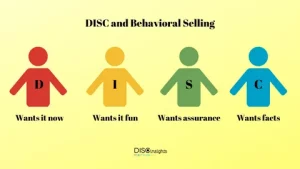
At the core of DISC are four primary behavioral styles. Most people are a blend of all four, but usually one or two styles are more dominant.
Dominance (D)
People with a Dominance style are direct, confident, and results-focused. They like challenges, make decisions quickly, and are motivated by achievement. In the workplace, they often take initiative and push projects forward. However, they may need to be mindful of patience and collaboration.
Influence (I)
Influence-oriented individuals are enthusiastic, talkative, and people-focused. They enjoy social interaction, motivating others, and sharing ideas. These individuals often bring energy and optimism to teams. Their growth area can be maintaining focus and following through on details.
Steadiness (S)
Those with a Steadiness style are calm, reliable, and supportive. They value consistency, teamwork, and trust. Steady personalities are excellent listeners and dependable contributors. They may struggle with rapid change or conflict but provide stability in group settings.
Conscientiousness (C)
Conscientious individuals are analytical, precise, and detail-oriented. They value accuracy, quality, and structure. In professional environments, they excel at planning, problem-solving, and maintaining standards. Their challenge may be flexibility or decision-making under uncertainty.
How DISC Personality Testing Works
DISC assessments typically involve a questionnaire where participants select or rank words and statements that best describe their behavior. The results generate a profile that highlights dominant traits, communication preferences, and potential stress responses.
Importantly, DISC does not place people into rigid boxes. Instead, it shows tendencies and patterns that can shift depending on context, role, and environment. The assessment is descriptive, not diagnostic.
Why DISC Is So Popular
DISC Personality Testing has remained relevant for decades because of several key strengths:
- Simplicity: The four-style model is easy to remember and explain.
- Non-judgmental: No style is better than another; each has strengths and challenges.
- Practical application: Insights can be applied immediately to communication and teamwork.
- Shared language: Teams gain a common way to discuss differences without blame.
These benefits make DISC especially effective for improving collaboration and reducing misunderstandings.
Common Uses of DISC in the Workplace
Organizations use DISC in many practical ways, including:
- Team building: Helping team members understand and respect different working styles
- Leadership development: Teaching leaders how to adapt their approach to different personalities
- Sales and customer service: Improving communication with different client types
- Conflict management: Reducing tension by clarifying behavioral differences
When used thoughtfully, DISC can strengthen relationships and improve overall team performance.
What DISC Does Not Measure
While DISC is valuable, it has clear limitations. It does not measure skills, experience, intelligence, motivation, or job performance. A DISC profile alone cannot determine whether someone is suited for a specific role or predict success.
DISC results are also generally static, reflecting behavior at a particular moment in time. They do not automatically adjust as a person grows, learns new skills, or takes on different responsibilities.
Understanding these limits is essential for using DISC responsibly and effectively.
DISC as a Starting Point, Not a Final Answer
DISC Personality Testing works best when it is used as a foundation rather than a conclusion. It opens the door to meaningful conversations about communication, expectations, and collaboration. However, it should be combined with feedback, coaching, and real-world experience to support long-term growth.
When individuals and teams use DISC to build awareness rather than make assumptions it becomes a powerful development tool.
Final Thoughts
DISC Personality Testing offers a simple, accessible way to understand behavioral differences and improve how people work together. Its strength lies in clarity, practicality, and ease of use. While it does not tell the whole story of who a person is or what they can achieve, it provides an excellent starting point for better communication and collaboration.
Used wisely, DISC helps turn differences into strengths and awareness into action, making it a lasting favorite in personal and professional development. By identifying key behavioral tendencies, it encourages empathy, adaptability, and teamwork. Organizations benefit from improved leadership, stronger team dynamics, and more effective conflict resolution. Individuals, meanwhile, gain valuable insights into their motivations, communication styles, and areas for growth.
Ultimately, DISC serves as both a mirror and a guide—reflecting who we are while helping us navigate how to work more effectively with others. When combined with ongoing self-awareness and feedback, it becomes not just a tool for understanding, but a pathway to genuine growth and connection.