If you’ve ever enjoyed games that feel like a rhythmic puzzle—where quick decisions turn into smooth momentum—then you’ll probably love an “interesting geometry jump.” In plain terms, that’s any moment in a geometry-based game where your character leaps through tight spaces, responds instantly to your inputs, and makes you feel like you’re solving a pattern
If you’ve ever enjoyed games that feel like a rhythmic puzzle—where quick decisions turn into smooth momentum—then you’ll probably love an “interesting geometry jump.” In plain terms, that’s any moment in a geometry-based game where your character leaps through tight spaces, responds instantly to your inputs, and makes you feel like you’re solving a pattern in real time.
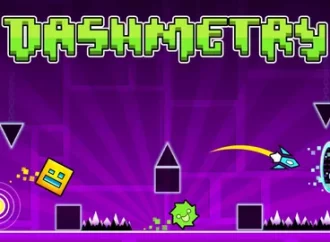
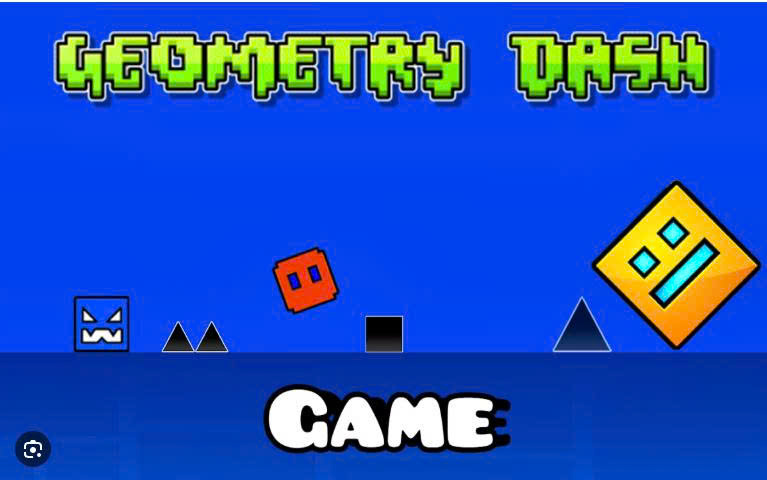
A great example is Geometry Dash, a popular rhythm-and-platformer where you “jump” through obstacles by timing taps to music. Even if you’re new, the core idea is simple: watch, predict, react, and learn the rhythm of the level. This article focuses on how to play (and enjoy) an engaging geometry jump, using Geometry Dash as the main example.
Gameplay
At its heart, Geometry Dash, grandmas is built around short bursts of skill—tiny sequences of jumps that chain together into one clean run. Here’s how an interesting geometry jump typically feels and what to do when you reach one.
- Start by listening and watching patterns
Before you try to “speedrun” anything, take a second to observe how the level moves. Many sections have recognizable timing: spikes appear in rhythm, platforms line up with beats, and jumps happen at consistent intervals. When you learn the visual rhythm, your brain starts anticipating the next obstacle rather than reacting blindly. - Practice the jump mechanics—tap timing over button mashing
Most geometry jumps in Geometry Dash rely on precise timing. If you tap too early or too late, you’ll hit spikes or land in a dangerous spot. Instead of rapidly tapping, try to tap with intention. A good mental trick is to treat each tap as landing on a “beat,” not just triggering a move. - Learn from attempts, not just outcomes
You’ll lose runs—especially at the start. What matters is recognizing why you died. Was the jump mis-timed? Did you underestimate the height? Did you forget to hold a jump for a longer sequence? Each failed attempt gives you information that helps your next attempt feel more predictable. - Play in small sections (“micro-checkpoints”)
Interesting jumps often sit inside longer levels, and the hardest part can be just one section. Rather than trying to conquer everything at once, focus on the section that includes the geometry jump. If you replay the same jump sequence multiple times, you’ll often “lock in” the timing quickly. - Aim for consistency, not perfection
When you finally get through that tricky leap, take a breath and notice what changed. Often it’s something small—your tap was 0.1 seconds later, or you watched one extra visual cue. Consistency builds naturally once you stop chasing a flawless run and start chasing a reliable method.
Tips
- Here are some friendly, practical ways to make your geometry jump experiences more enjoyable—whether you’re learning your first timed leap or revisiting a challenging section.
- Use the music as a timer
If the level has a clear beat, align your actions with it. Even without counting, try to feel the timing in the background. Your reactions improve when your taps come from rhythm instead of panic. - Slow down your “mental speed”
Many new players get overwhelmed and start tapping faster than they can think. If you feel rushed, pause your reactions. Watch the obstacle spacing, then commit to a timing that matches what you observed. - Look for safe cues
Some levels include obvious visual markers—color changes, repeating patterns, or platform shapes that hint at what comes next. Those cues are there to help you. Don’t ignore them just because you want to “get it over with.” - Replay with a purpose
Rather than replaying endlessly, try a focused goal like: “This time I’ll practice only the first jump,” or “I’ll aim for clean landings for five attempts.” Small goals reduce frustration and help you learn faster. - Keep your expectations realistic
A challenging geometry jump is supposed to test timing and pattern recognition. If you don’t clear it immediately, that’s normal. Progress usually looks like: a few retries → better timing → surviving longer → finally clearing the section. - Take breaks when you feel stuck
If you’re dying the same way repeatedly, you might simply be tired or frustrated. Short breaks can reset your attention and make the next attempts feel easier—because your timing improves when your mind is fresh.
Conclusion
An interesting geometry jump is more than a moment of “trying to beat spikes.” It’s a small, satisfying experience of timing, prediction, and learning—where each attempt teaches you something. Geometry Dash is a great example because it turns those skills into quick, replayable challenges that feel rewarding even when you’re not perfect yet.
If you’re just starting, focus on rhythm, practice in small sections, and learn from each attempt rather than judging yourself by the first try. Over time, those tight leaps start to feel less like guessing and more like moving with the music. And when you finally clear that one clean jump sequence? Enjoy it—because that’s the fun part.