
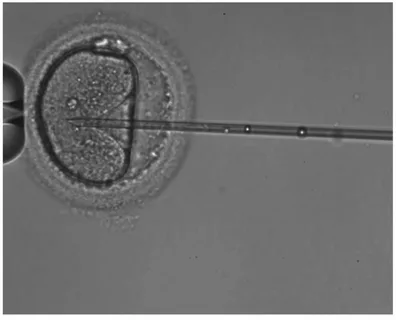
The ICSI procedure is one of the most advanced techniques used in modern fertility treatment. During Intracytoplasmic Sperm Injection (ICSI), a single sperm is carefully injected directly into a mature egg to achieve fertilization. Because the procedure involves direct manipulation of the egg cell, embryologists must carefully evaluate the oocyte before proceeding. Understanding the Oocyte
The ICSI procedure is one of the most advanced techniques used in modern fertility treatment. During Intracytoplasmic Sperm Injection (ICSI), a single sperm is carefully injected directly into a mature egg to achieve fertilization. Because the procedure involves direct manipulation of the egg cell, embryologists must carefully evaluate the oocyte before proceeding.
Understanding the Oocyte
An oocyte, commonly called an egg cell is one of the most important components of fertility treatment.
For successful fertilization, the oocyte must:
- Be mature
- Have a healthy structure
- Contain normal cellular components
- Show signs of developmental readiness
Only suitable oocytes are selected for ICSI treatment.
Why Oocyte Stability Matters
During ICSI, a microscopic needle passes through the outer layers of the egg.
If the oocyte is fragile or structurally abnormal, it may:
- Become damaged during injection
- Fail to fertilize
- Experience impaired embryo development
Assessing stability helps embryologists reduce these risks.
Microscopic Evaluation of the Egg
Before ICSI begins, embryologists examine each oocyte using high-powered microscopes.
They evaluate:
- Overall shape
- Cell symmetry
- Cytoplasmic appearance
- Outer membrane characteristics
These observations provide important information about egg quality.
Assessing Oocyte Maturity
One of the most important factors is oocyte maturity.
ICSI is usually performed only on mature eggs because:
- They have completed critical developmental stages
- Fertilization rates are higher
- Embryo development is more likely to proceed normally
Immature eggs are generally not suitable for immediate sperm injection.
Examination of the Cytoplasm
The cytoplasm is the internal material within the egg cell.
Embryologists assess:
- Texture
- Uniformity
- Cellular appearance
- Structural consistency
A healthy cytoplasm often indicates that the egg has the resources needed to support early embryo development.

Evaluating the Zona Pellucida
The zona pellucida is the protective outer layer surrounding the egg.
Embryologists examine:
- Thickness
- Shape
- Uniformity
- Structural integrity
A normal zona pellucida helps support safe sperm injection and successful fertilization.
Checking for Visible Abnormalities
Some eggs display abnormalities that may affect stability.
Examples include:
- Irregular shape
- Fragmented structures
- Cytoplasmic inclusions
- Membrane abnormalities
The presence of significant abnormalities may influence treatment decisions.
Importance of Polar Body Assessment
A polar body is a small cellular structure that indicates egg maturity.
Embryologists observe:
- Presence of the polar body
- Position of the polar body
- Signs of normal development
This assessment helps confirm that the egg is ready for ICSI.
Laboratory Conditions and Oocyte Protection
Maintaining proper laboratory conditions is essential.
Embryologists carefully control:
- Temperature
- Humidity
- pH balance
- Culture media quality
These factors help preserve oocyte stability before and during the procedure.
The Role of Micromanipulation Equipment
ICSI requires highly specialized micromanipulation instruments.
These tools allow embryologists to:
- Stabilize the egg
- Position the sperm
- Control injection pressure
- Minimize physical stress on the oocyte
Advanced equipment contributes significantly to procedural safety.
Experience of the Embryologist
Embryologist expertise is one of the most important factors in successful ICSI treatment.
Experienced professionals understand:
- Oocyte behavior during manipulation
- Cellular characteristics
- Injection techniques
- Risk factors for damage
Their skills help improve fertilization outcomes while protecting egg quality.
How Embryologists Minimize Oocyte Damage
Several precautions are taken to reduce the likelihood of injury.
These include:
- Careful egg selection
- Gentle handling techniques
- Precise sperm injection
- Continuous microscopic monitoring
Relationship Between Oocyte Quality and Embryo Development
A stable and healthy oocyte provides the foundation for embryo growth.
Higher-quality eggs are more likely to:
- Fertilize successfully
- Undergo normal cell division
- Reach the blastocyst stage
- Support implantation
Importance of Quality Control in Fertility Laboratories
Modern fertility laboratories follow strict quality control measures.
These standards help ensure:
- Consistent laboratory conditions
- Safe handling procedures
- Accurate assessments
- Reliable treatment outcomes
Final Thoughts
The ICSI procedure requires careful assessment of oocyte stability before sperm injection can take place. Embryologists evaluate egg maturity, cytoplasmic appearance, zona pellucida integrity, polar body presence, and overall cellular structure to determine whether an oocyte is suitable for treatment. Combined with advanced laboratory technology and specialized expertise, these evaluations help minimize the risk of damage and support successful fertilization.